


Build a Glass Skin Routine That Actually Works in 2026
Glass skin is not a filter or a makeup finish. It’s a real skin state: deeply hydrated, smooth-textured, and even-toned enough that light bounces off your face the way it does off polished glass. The glass skin effect comes from hydration that plumps skin layers, smooths the surface, and creates a translucent, light-reflective finish. No single product gets you there. It’s the cumulative result of layered hydration, gentle exfoliation, barrier health, and sun protection, built consistently over 4–8 weeks.
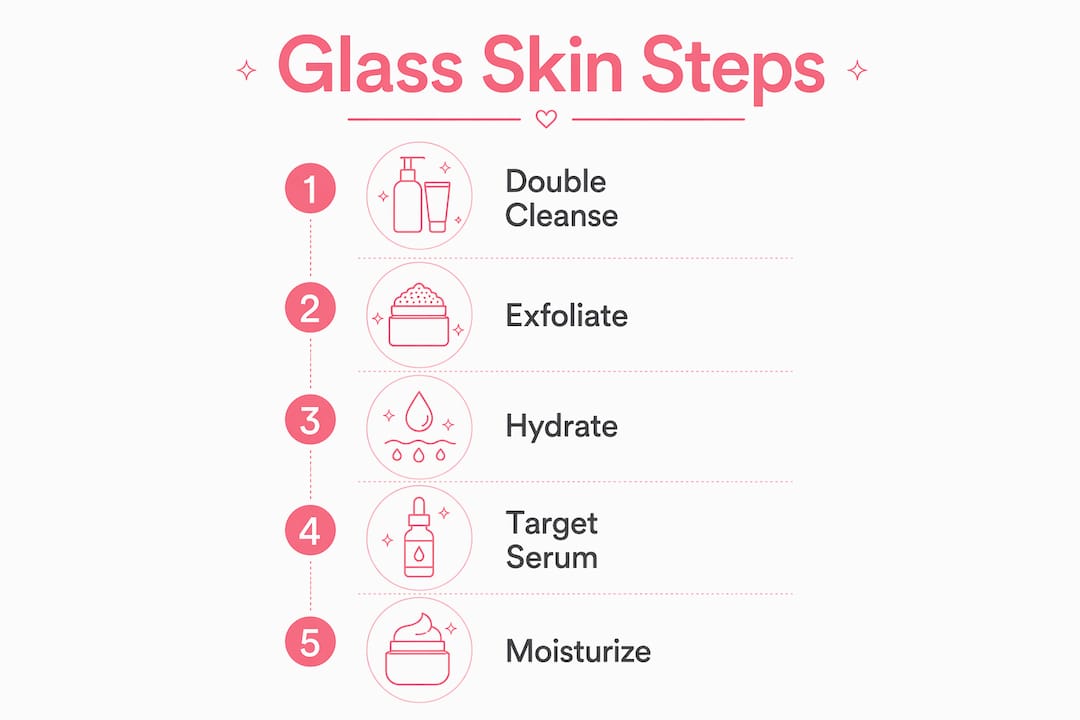
To build a glass skin routine, you need these foundational elements working together:
- Double cleansing (PM) to clear residue without stripping the barrier
- Chemical exfoliation 2–3 times weekly to smooth texture
- Hydrating toner or essence applied in layers while skin is damp
- Targeted serum for your specific concern (brightening, hydration, or calming)
- Lightweight moisturizer to lock in hydration
- Broad-spectrum SPF every single morning
The Korean skincare routine that popularized this look is less about the number of steps and more about the quality of layering. Consistency matters more than product price. An affordable routine done twice daily outperforms an expensive one used sporadically.
How to build your glass skin routine step by step
Step 1: Double cleanse (PM only)
Double cleansing is the foundation of every effective glass skin routine. Start with an oil-based cleanser on dry skin to dissolve sunscreen, sebum, and makeup. Follow with a low-pH water-based cleanser to clear any remaining residue. Skipping this step leaves a film on skin that blocks everything you apply afterward.
In the morning, a single gentle cleanser or even just water is enough. Over-cleansing strips the acid mantle and works directly against the hydration you’re trying to build.
Step 2: Exfoliate regularly but moderately, using gentle chemical exfoliants appropriate to your skin type.
Dead skin cells accumulate and create the dull, rough texture that is the opposite of glass skin. Chemical exfoliants dissolve those bonds without the micro-tears that physical scrubs cause.
- AHAs (glycolic acid at 5–8%, lactic acid at 5–10%) work on the surface; lactic acid also acts as a humectant
- PHAs (gluconolactone, lactobionic acid) are the gentlest option, ideal for sensitive skin
- BHAs (salicylic acid) are oil-soluble and penetrate pores, best for oily or acne-prone skin
Two to three times per week is enough for most people. More frequent exfoliation damages the barrier and creates the exact texture and dehydration you’re trying to eliminate.
Step 3: Layer a hydrating toner or essence
This is the step that separates a glass skin routine from a basic Western routine. Apply a hydrating toner or essence to damp skin and pat it in with your palms rather than swiping with a cotton pad. The goal is absorption, not removal.
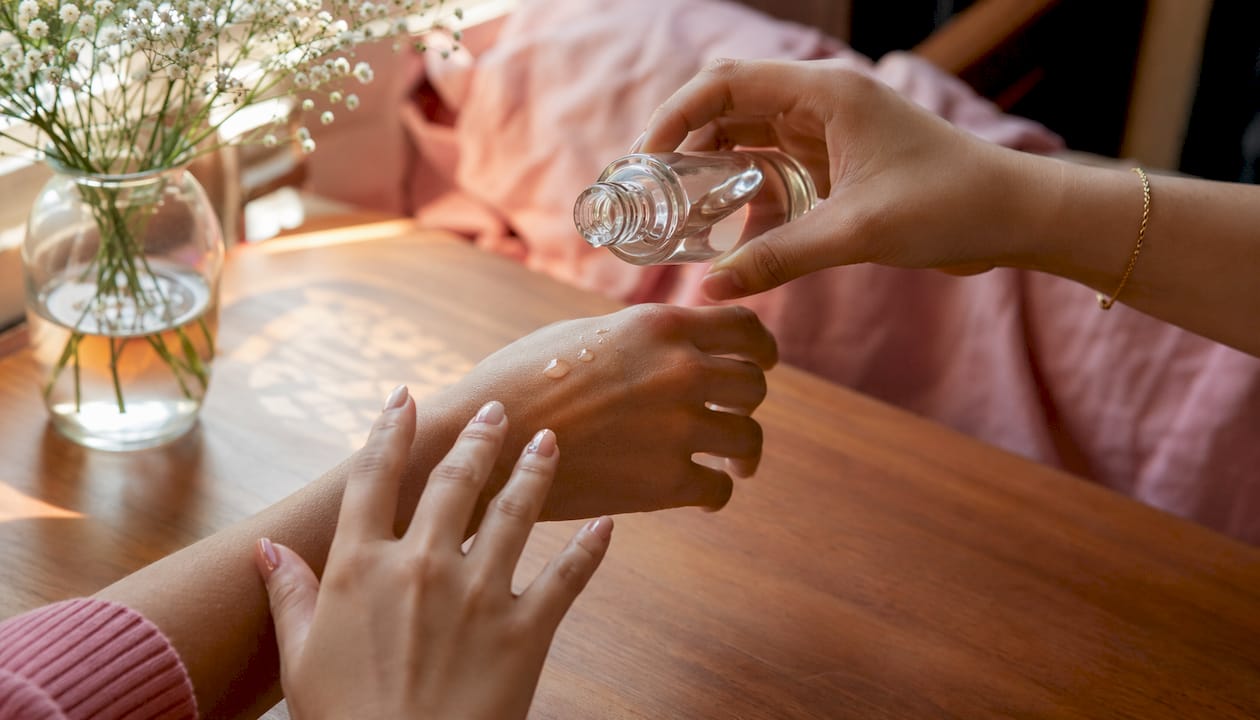
Look for hyaluronic acid, glycerin, fermented ingredients like galactomyces or saccharomyces, and centella asiatica. Some people use the 7-skin method, layering toner multiple times for deeply dehydrated skin, adjusted according to skin tolerance. Start with one thorough application and add layers only if your skin absorbs each one immediately.
Pro Tip: Apply your toner and all subsequent layers while your skin is still slightly damp. Moisture on top of moisture is what creates the depth of hydration that makes skin look translucent, not just moisturized.
Step 4: Apply a targeted serum
Serums are where you address the specific blockers standing between you and glass skin. For glowing skin serums, the right choice depends on your primary concern.
- Brightening and tone: Vitamin C (L-ascorbic acid) in the morning; niacinamide morning or night; alpha arbutin for targeted dark spots
- Hydration depth: Hyaluronic acid serum applied to damp skin layers well under everything else
- Texture refinement: Retinol at a low concentration to start at night, introduced gradually over several weeks
- Calming and repair: Centella asiatica or snail mucin for reactive or barrier-compromised skin
You don’t need all of these. Pick one or two based on your main concern and build from there. Stacking too many actives at once is one of the most common mistakes people make.
Step 5: Seal with a lightweight moisturizer
The moisturizer’s job is to prevent transepidermal water loss and keep all that layered hydration inside your skin. For the glass skin look, texture matters.
- Gel-creams for oily and combination skin
- Light emulsions for normal skin
- Richer ceramide creams for dry skin, especially at night
Apply while skin is still slightly damp from your serum. At night, a sleeping mask or richer cream as the final step gives skin hours of uninterrupted repair.
Morning vs. evening: where the routines differ
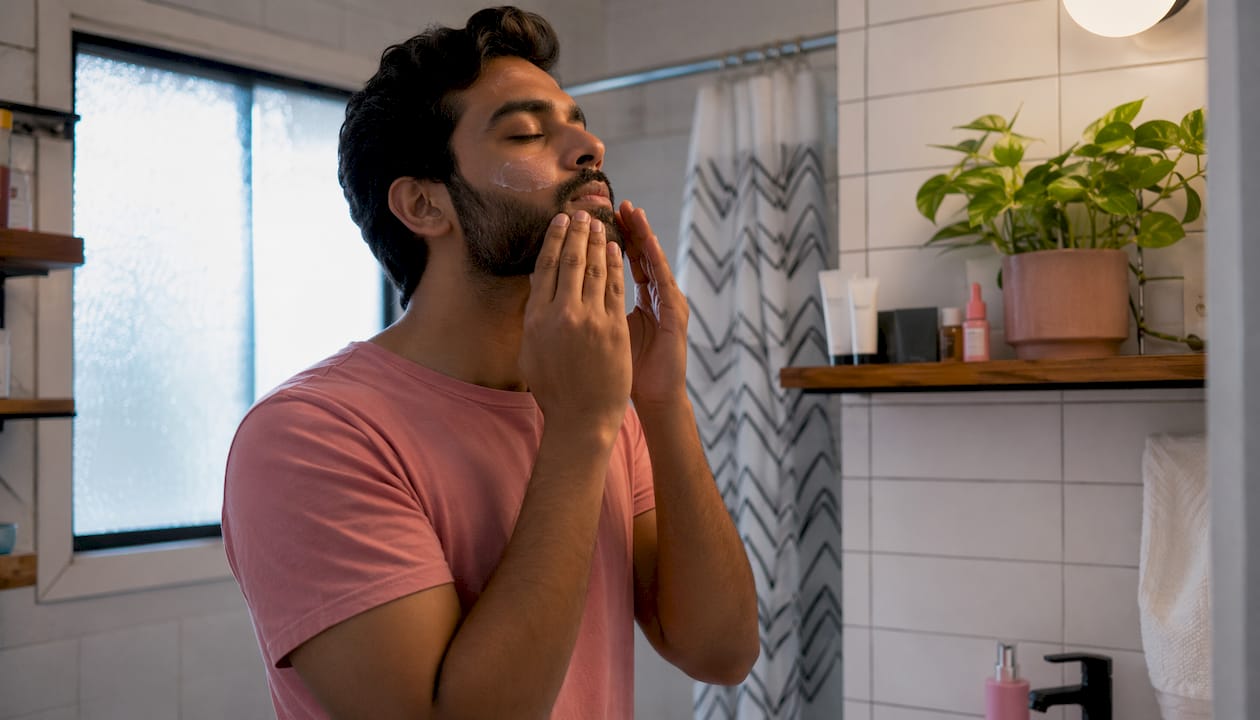
Your morning routine is about protection. Cleanse gently, layer hydration, moisturize, and finish with SPF. Your evening routine is about repair. Double cleanse thoroughly, exfoliate on scheduled nights, layer hydration generously, and use any actives like retinol or vitamin C. UV protection is non-negotiable in the morning because UV exposure accelerates pigmentation, texture damage, and barrier compromise. Korean and Japanese sunscreens tend to leave a dewy, skin-like finish rather than a chalky cast. Look for SPF 50, PA++++ in a lightweight fluid or milk texture.
Expert tips for maintaining your glass skin routine
Getting the routine right is one thing. Keeping it working is another. These are the practical details that separate people who see results from those who plateau after a few weeks.
Tailor your products to your skin type. Oily skin benefits from water-gel textures and lightweight serums. Dry skin needs richer moisturizers and more time for barrier repair. Sensitive skin should start with PHAs over AHAs and introduce any new active slowly. Choosing Korean skincare that fits your skin type is more important than chasing trending ingredients.
- Introduce actives one at a time. Add one new active every two weeks. Starting vitamin C, retinol, AHA, and niacinamide simultaneously will irritate your skin before it can benefit from any of them.
- Don’t overwash. Morning cleansing with just water or a very gentle rinse-off cleanser protects the acid mantle that keeps your barrier intact.
- Use facial tools strategically. Gua sha and jade rollers can increase circulation and aid product absorption when used after applying toner or serum. Work in upward strokes, never downward drag.
- Sleep on a silk or satin pillowcase. Cotton creates friction overnight that disrupts the skin barrier you’re working to repair.
- Change your pillowcase twice a week. Oils and leftover skincare transfer back onto your face and undo your routine’s work.
Pro Tip: A well-structured evening skincare routine does more than just apply products. The ritual itself, done consistently at the same time each night, supports the sleep quality that drives skin cell turnover between 11 PM and 4 AM.
Lifestyle factors carry more weight than most people expect. Adequate sleep, proper hydration, and a balanced diet significantly impact skin luminosity by supporting natural skin repair beyond what topical products can do alone. Omega-3s, vitamin C, and zinc support barrier function from the inside. High-glycemic foods and dairy have been linked to inflammation in some people, which works against the even tone glass skin requires.
What glass skin actually is, and why it takes time
Glass skin is a reflection of overall skin health, not porelessness or a makeup effect. The glassiness is a byproduct of a healthy barrier, not a surface treatment. If your barrier is compromised from over-exfoliating, harsh cleansers, or UV damage, no serum will deliver the result you’re after.
The physiological basis is straightforward. Hydration plumps skin layers, smooths the surface, and evens tone to create a translucent, light-reflective finish. A healthy barrier holds that hydration in rather than letting it evaporate. Gentle, consistent exfoliation keeps the surface smooth enough to reflect light evenly. All three elements have to work together.
The timeline is real. Weeks 1–2 bring improved hydration and less tightness after cleansing. By weeks 3–4, surface texture begins smoothing and morning dewiness improves. The actual glass effect, even tone and visible pore refinement, typically becomes apparent at weeks 6–8. If you’re using retinol, deeper texture refinement continues improving past the three-month mark.
Stress and UV exposure are the two biggest external factors that undermine progress. Stress elevates cortisol, which disrupts barrier function and triggers inflammation. UV damage causes hyperpigmentation, texture damage, and collagen breakdown. Every morning without sunscreen partially undoes the brightening and hydration work from the night before.
More products do not guarantee better results. Gentle care and avoiding irritation consistently outperform aggressive multi-active routines. The glass skin ideal is about prioritizing healthy barrier function and hydration, not chasing poreless perfection.
Common mistakes that prevent glass skin
Most people who struggle to achieve glass skin are making one of these errors, often without realizing it.
Over-exfoliating. This is the most common mistake. A damaged barrier causes redness, flaking, and sensitivity, which is the opposite of what you’re building toward. Stick to 2–3 times per week with a gentle chemical exfoliant, and never combine multiple exfoliating actives in the same routine.
Skipping SPF. Every morning without sunscreen undoes nights of hydration and brightening work. Hyperpigmentation from UV exposure is the single biggest glass skin saboteur, and no amount of vitamin C or niacinamide compensates for unprotected sun exposure.
Using too many actives at once. Overusing actives like retinol, vitamin C, and exfoliants simultaneously irritates and impairs the skin barrier. Korean dermatologists generally recommend one or two actives maximum per routine. Rotate them across days rather than stacking them in the same session.
Not layering enough hydration. One moisturizer is usually not enough for glass skin. The layering approach, toner then essence then serum then moisturizer, is what creates the depth of hydration that makes skin look translucent rather than just moisturized.
Expecting fast results. The “before and after” posts showing dramatic transformations in one application are usually lighting changes or product sheen, not actual skin transformation. True glass skin requires consistent routine adherence over 4–8 weeks, not days. Instant effects are superficial and temporary.
Using fragranced products. Fragrance is one of the most common causes of barrier irritation in skincare. Glass skin formulas from Korean brands are frequently fragrance-free for exactly this reason. Check ingredient labels before adding anything new to your routine.
Find the right products at Spyraverified

Building a glass skin routine starts with the right products, and that means authentic formulas from brands that actually understand layered hydration. Spyraverified curates verified Asian beauty skincare directly from Japanese and Korean brands, so you get the real thing without the guesswork. Browse the full skincare collection to find essences, serums, and sunscreens built for the glass skin layering approach.
Key Takeaways
Building a glass skin routine means layering hydration consistently over 4–8 weeks, with barrier health and sun protection as the non-negotiable foundation.
| Point | Details |
|---|---|
| Timeline is 4–8 weeks | Visible glass skin effect typically emerges at weeks 6–8 of consistent routine adherence. |
| Layering while damp is essential | Applying each hydration layer on still-damp skin maximizes moisture retention and the dewy finish. |
| Limit actives to one or two | Stacking retinol, vitamin C, and AHAs simultaneously irritates the barrier and delays results. |
| SPF every morning | UV exposure is the leading cause of pigmentation and texture damage that undermine glass skin. |
| Consistency beats product cost | A twice-daily affordable routine done consistently outperforms an expensive one used sporadically. |
