


Restore Your Scalp Barrier in 6–8 Weeks: Korean Scalp Exfoliation
Korean scalp exfoliation treats your scalp as an extension of your facial skin, not a patch of skin you only think about when it itches. The routine layers a gentle scaler or chemical exfoliant, a pH-balanced shampoo, a leave-in tonic, and a 30 to 60 second massage, done regularly with frequency adjusted according to how oily or sensitive your scalp runs. Done consistently, it clears buildup, calms inflammation, and helps everything you put on your scalp afterward actually absorb.
TL;DR:
- Regular scalp exfoliation using gentle, layered Korean techniques improves buildup removal, absorption of treatments, and scalp microbiome health.
- Oily scalps can safely exfoliate up to twice weekly with low-dose acids, while dry or sensitive scalps may need only weekly or biweekly treatments.
- Chemical exfoliants with salicylic acid and botanical buffers prevent over-drying, while physical scrubs must use fine, rounded particles to avoid micro-tears.
- Proper sequencing involves wetting, scalping, shampooing, tonic application, and massage, with post-exfoliation care avoiding heat styling and additional products for hours.
- Consistency over six to eight weeks is crucial for long-term benefits, as results include less flaking, improved product retention, and healthier follicle function.
Table of Contents
- Why Korean Scalp Exfoliation Works Differently Than Western Methods
- How Do You Exfoliate Your Scalp the Korean Way?
- Chemical vs. Physical Exfoliants: What’s Actually in the Bottle
- How to Pick the Right Scalp Exfoliator for Your Scalp Type
- Who Should Avoid Scalp Exfoliation, and When to See a Dermatologist
- Proof This Approach Actually Holds Up
- Korean Scalp Care vs. a Standard Scalp Routine
- Which Scalp Conditions Respond Best to This Routine
- Can You Make a Safe DIY Scalp Scrub at Home?
- What to Do After You Exfoliate Your Scalp
- What I Wish More People Knew Before Starting This Routine
- Where to Start Building Your Own Scalp Routine
- Sources
Why Korean Scalp Exfoliation Works Differently Than Western Methods
Most Western scalp care shows up only when something’s wrong: a medicated shampoo for dandruff, a clarifying rinse when hair looks greasy. Korean scalp care starts from a different premise entirely, borrowing straight from the “skin is skin” logic of Korean facial routines, where the scalp gets the same layered, low-dose, frequent attention as your cheeks or forehead.
That distinction shapes everything about the actives and textures involved. Instead of a once-a-month deep treatment, K-beauty scalp treatments favor lightweight, fast-absorbing tonics and essences designed for daily or near-daily use, built to calm irritation rather than shock the scalp into submission. A Vogue writer who spent time at a Korean scalp spa noted the entire protocol runs on gentleness and repetition, not aggression. Massage is built in as a functional step rather than a spa flourish.
The practical payoffs show up fast once you commit to the rhythm:
- Buildup from sebum, styling product, and dead skin clears before it clogs follicles.
- Serums and tonics absorb better into a scalp that isn’t coated in residue.
- The scalp microbiome, the bacterial and fungal balance that keeps dandruff and odor in check, gets support instead of disruption.
- Circulation improves during massage, which several K-beauty formulators tie to healthier follicle function.
If you’re used to thinking of exfoliation as something harsh you do to fix a problem, this reframes it as ongoing maintenance. The goal isn’t a dramatic before-and-after. It’s a scalp that stays quietly balanced week after week.
How Do You Exfoliate Your Scalp the Korean Way?
The order matters as much as the products. Skip a step or do them out of sequence and you lose most of the benefit.
- Prep your hair. Wet it thoroughly and section it into four to six parts with clips. Working in sections means the exfoliant actually reaches your scalp instead of sitting on strands.
- Apply the scalp scaler or scrub. Use the pads of your fingers, never your nails, and work in small circles along each part line. Leave a chemical scaler on for the time the label specifies, typically two to five minutes, or work a physical scrub through for about a minute before rinsing.
- Cleanse with a pH-balanced shampoo. This step matters more than people assume. Exfoliation is typically performed on wet, just-shampooed hair with gentle circular motions, and a shampoo formulated for scalp pH keeps the acid mantle from swinging out of balance after you’ve just sloughed off dead skin.
- Towel-dry to damp, not soaking. Excess water dilutes the tonic you’re about to apply.
- Apply your leave-in tonic or ampoule section by section. Use a dropper or rollerball tip if the product has one, and target the scalp directly rather than the hair shaft.
- Massage for 30 to 60 seconds per section. Use your fingertips in firm, slow circles. This isn’t relaxation time, it’s functional: Korean spa protocols treat massage as a tool for microcirculation and better serum penetration, not just a nice-to-have.
Pro Tip: Do your scalp exfoliation the night before wash day if your schedule allows. It gives the scaler time to loosen buildup fully before you rinse, and you wake up to a cleaner scalp without rushing the massage step in the shower.
A simple scalp care routine built around this sequence, scaler, cleanse, tonic, massage, gives you a repeatable framework you can adjust as your scalp’s needs change with seasons or stress levels.
Chemical vs. Physical Exfoliants: What’s Actually in the Bottle
Not all scalp exfoliants work the same way, and picking the wrong type for your scalp is the most common reason people give up on the routine.
Chemical exfoliants rely on active ingredients that dissolve buildup rather than scrub it away. Salicylic acid, a BHA, is the workhorse here because it’s lipid-soluble and can cut through sebum sitting in the follicle rather than just sitting on top of the scalp. Korean scalp scalers typically combine low-dose acids with botanical regulators and gentle chelators to balance sebum and support the microbiome without stripping the scalp bare. That combination matters because pure acid with nothing to buffer it can overcorrect fast.
Physical exfoliants use fine particles, usually sucrose or finely ground sea salt, to manually loosen dead skin and flakes. The key word is fine. Angular or coarse abrasives can create micro-tears you won’t notice until your scalp starts stinging in the shower a few days later.
For chronic flaking or dandruff, formulators increasingly pair exfoliation with antifungal actives. K-beauty scrubs often combine piroctone olamine or zinc pyrithione with physical exfoliation because removing the scale gives the antifungal a clean surface to work on instead of hiding under debris that shields fungi from treatment.
Supportive ingredients round out most formulas:
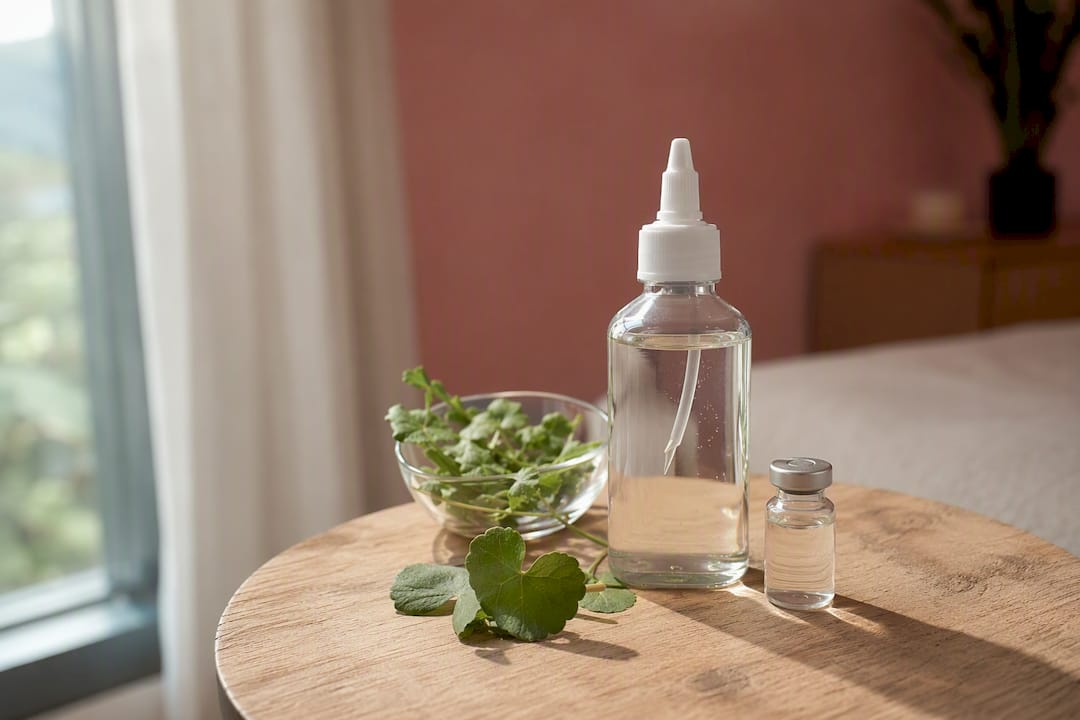
- Centella asiatica and rosemary extract for calming irritation
- Green tea and ginseng for antioxidant support
- Bifida ferment lysate and Lactobacillus ferment for barrier repair, common in Korean tonics paired with salicylic acid
- Prebiotic and postbiotic blends aimed at feeding a balanced scalp microbiome
Combining gentle exfoliation with a fungistatic active typically shows visible flaking reduction within two to four weeks, though most formulators recommend sticking with the routine for at least eight weeks before judging whether it’s working long-term.
How to Pick the Right Scalp Exfoliator for Your Scalp Type
The best scalp exfoliators aren’t the ones with the longest ingredient list. They’re the ones matched to what your scalp actually needs. Run through this checklist before you buy:
- Scalp type first. Oily scalps tolerate chemical exfoliants and higher-frequency use better. Dry or sensitive scalps usually do better with fewer actives and longer stretches between sessions.
- Check the active ingredient concentration. Salicylic acid formulated for scalp use tends to sit at a lower, gentler dose than facial BHA products, so don’t assume a face product translates safely to the scalp.
- Note the contact time. Rinse-off scalers that specify two to five minutes are doing different work than leave-on tonics designed for daily use.
- Consider the applicator. Rollerball or dropper tips help you target the scalp precisely and avoid wasting product on strands.
- Watch fragrance and preservative load. If you have a history of contact irritation, fragrance-free formulas cut one common trigger out of the equation entirely.
- Decide leave-on vs. rinse-off before you buy, since the two categories require completely different frequency habits.
If a product starts to sting, tingle uncomfortably, or leave your scalp tight and dry, that’s your signal to pull back before it becomes a real problem. Drop from twice weekly to once, swap a higher-strength chemical exfoliant for a milder physical scrub, or space out how often you layer a tonic on top of the scaler. Choosing Korean skincare that actually fits your skin follows the same logic scalp products do: match the active to your sensitivity, not to what worked for someone else.
Signs you’ve gone too far include tightness that doesn’t ease within a day, small scabs or tenderness when you touch your scalp, or flaking that gets worse rather than better. If that happens, stop exfoliating completely for one to two weeks, switch to a soothing, fragrance-free shampoo, and reintroduce exfoliation slowly once irritation fully resolves.
Who Should Avoid Scalp Exfoliation, and When to See a Dermatologist
Scalp exfoliation isn’t universally safe, and skipping this section is how people end up making a manageable issue worse.
Avoid mechanical or chemical exfoliation entirely if you have active psoriasis flares, open sores, cuts, or any signs of active infection on the scalp. Scalp scrubbers and exfoliating tools can help distribute cleanser and loosen buildup, but excessive pressure or frequent use on already-inflamed skin tends to make irritation worse, not better. People managing active scalp disease should get medical guidance before adding any exfoliation step.
Timing matters too. Hold off on exfoliating within two to three days of a color, perm, or keratin service, since freshly chemically treated scalp is more permeable and more likely to react to actives it would normally tolerate fine.
Certain symptoms are worth a dermatologist visit rather than more exfoliation:
- Shedding that’s noticeably increased and doesn’t taper off after a few weeks
- Painful, swollen, or hot-to-the-touch patches
- Flaking that keeps returning or worsening despite consistent gentle care
Basic safety habits go a long way here. Patch test any new leave-in tonic on a small section before applying it scalp-wide, keep contact times conservative rather than maximizing them, and never scrub mechanically every single day. Your scalp barrier needs recovery time between sessions just like facial skin does.
Proof This Approach Actually Holds Up
The Korean scalp routine outlined here isn’t a trend dressed up in new packaging. It draws on documented spa protocols, ingredient science from formulators working in the K-beauty space, and medical guidance on safe exfoliation frequency and technique, all pointing toward the same layered, low-aggression approach.
Spyraverified curates authentic Asian scalp tonics, ampoules, and serums built around the exact actives this routine calls for: salicylic acid for buildup, fermented ingredients for barrier support, and calming botanicals like centella. Sourcing matters here because scalp actives at the wrong concentration or from an unverified seller can do real damage, and Spyraverified verifies products through community testing before they reach a customer’s cart. If you’re deciding between Korean and Japanese skincare traditions for your broader routine, the same sourcing standard applies to what touches your scalp.
Korean Scalp Care vs. a Standard Scalp Routine
A standard scalp routine, the kind most people already follow, usually means shampoo, maybe a monthly clarifying treatment, and a leave-in product if hair looks dry. It treats the scalp reactively: you act when something already looks or feels off.
Korean scalp care flips the order of operations. Exfoliation happens on a schedule, not as a rescue mission, and it’s paired with ongoing barrier support rather than occasional deep cleaning. The product categories differ too. A standard routine rarely includes a dedicated leave-in scalp tonic; Korean routines treat that step as essential, not optional, the same way a facial routine treats a hydrating essence as non-negotiable.
Ingredient philosophy is another split point. Western scalp products often lean on stronger single actives (think coal tar or high-percentage salicylic acid shampoos) aimed at fast symptom relief. Korean formulations tend to combine lower-dose actives with calming botanicals and fermented ingredients, prioritizing a scalp that stays balanced over one that gets shocked back into shape.
The sequencing also sets Korean care apart. Double cleansing principles that Korean skincare applies to the face, layering steps in a specific order for maximum absorption, get applied to the scalp too: scaler first to clear the way, then cleanse, then tonic, then massage to drive it all in. A standard routine skips most of that sequencing entirely, often combining cleansing and treatment into a single shampoo step and calling it done.
Neither approach is inherently wrong, but the Korean method asks for more consistency in exchange for better long-term scalp condition, rather than quick fixes that need repeating every time buildup returns.
Which Scalp Conditions Respond Best to This Routine
Not every scalp issue needs this level of ritual, but a few conditions respond particularly well to consistent, gentle exfoliation.
Dandruff and seborrheic buildup top the list. Removing flaking skin gives antifungal actives like zinc pyrithione or piroctone olamine a clean surface to work, since scale can shield the fungi driving dandruff from topical treatment when it’s left in place.
Oily scalps with product buildup benefit almost as much. Anyone who uses styling products, dry shampoo, or heavier oils regularly tends to accumulate a film that regular shampooing alone doesn’t fully clear. Exfoliation resets that surface so pores don’t stay clogged between washes.
Scalps recovering from over-styling or heat damage often respond well too, since clearing debris supports better circulation right when follicles need it most.
Mild folliculitis or clogged follicles can improve with gentle exfoliation, though this is a case where starting conservative matters. If bumps are inflamed or painful rather than just present, that’s a sign to check with a dermatologist before adding any exfoliating step.
Where this routine offers less benefit: scalps with no visible buildup, minimal oil production, and no flaking. If nothing’s accumulating, weekly exfoliation just risks unnecessary irritation. In that case, a lighter tonic-only routine without the scaler step, applied once or twice a week for barrier maintenance, makes more sense than the full sequence.
Can You Make a Safe DIY Scalp Scrub at Home?
A homemade scalp scrub can work as an occasional physical exfoliant, but the safety margin is much thinner than with a formulated product, and that’s worth understanding before you start mixing things in your kitchen.
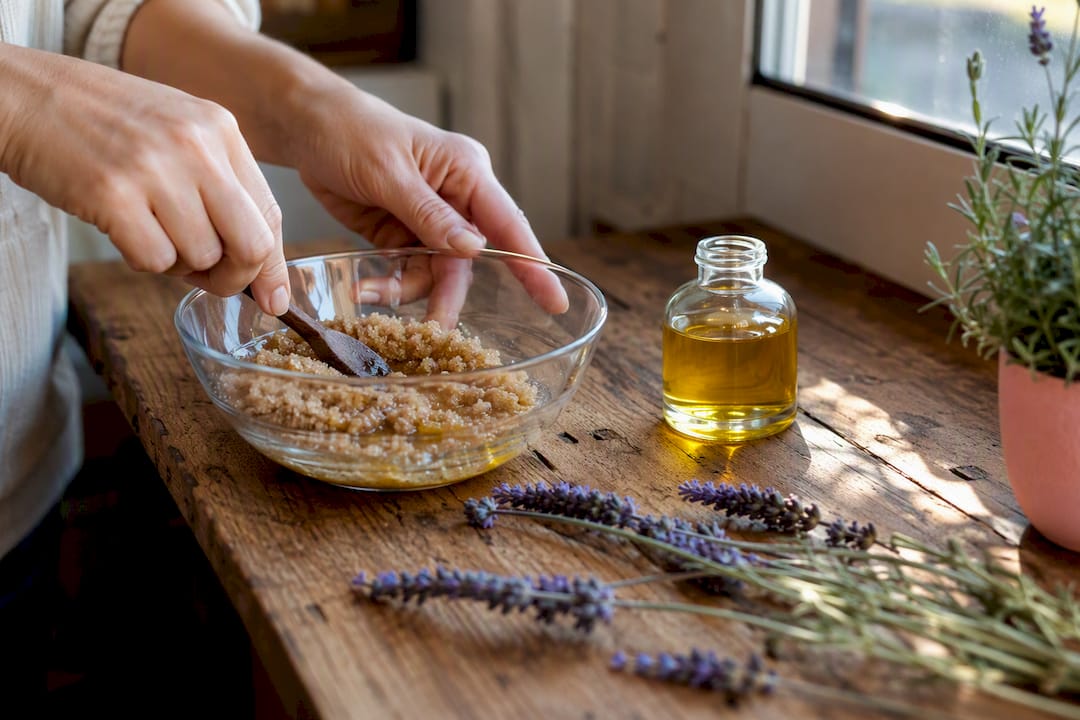
A basic DIY approach combines fine granulated sugar with a carrier oil like jojoba or grapeseed, at roughly a two-to-one ratio of oil to sugar, worked gently into a damp scalp for about a minute before rinsing. Brown sugar dissolves faster and feels gentler than white sugar’s harder crystals. Some people add a few drops of diluted tea tree oil for its antifungal properties, though tea tree needs proper dilution, generally no more than one or two drops per tablespoon of carrier oil, since undiluted essential oils can burn scalp skin.
The safety gaps show up in what a DIY mix can’t control. You can’t verify pH the way a formulated product can, and homemade mixes have no preservative system, so anything with water content should be made fresh and used immediately rather than stored. Table salt and coarse sugar crystals are common DIY mistakes: they’re angular and can create micro-tears that a fine, rounded sucrose particle in commercial products avoids.
DIY scrubs also can’t replicate what chemical exfoliants or antifungal actives do. A sugar scrub loosens surface debris; it does nothing for the fungal component of dandruff or the barrier-repair job that fermented ingredients handle in formulated tonics. Treat a homemade scrub as an occasional supplement to your routine, not a replacement for the full sequence, and always patch test on a small area first since reactions to essential oils are common and unpredictable.
What to Do After You Exfoliate Your Scalp
What happens in the hours and days after exfoliation determines whether you get the benefit or just irritate a scalp that was fine before you touched it.
Skip additional heat styling directly after a session if you can. A freshly exfoliated scalp is slightly more sensitive, and blasting it with a hot blow dryer right away can undo some of the calming work your tonic just did. Let hair air dry partway before styling, or use the lowest heat setting available.
Avoid layering additional actives on top of your post-exfoliation tonic for at least the rest of that day. If your routine includes a separate anti-dandruff treatment or a strong styling product with alcohol, give your scalp a few hours of just the tonic before adding anything else into the mix.
Watch for delayed reactions. Some irritation shows up hours later rather than immediately, particularly with chemical exfoliants. If your scalp feels tight or itchy that evening, a fragrance-free, calming leave-in can help, and it’s worth noting for next time whether you left the scaler on too long.
Keep your next wash gentle. A sulfate-free, pH-balanced shampoo the following day or two supports the barrier you just worked on, rather than stripping it right back down. And resist the urge to exfoliate again just because your scalp feels extra clean and you want to keep the momentum going. That clean feeling is the result working; scalp barriers need the days between sessions to actually rebuild.
What I Wish More People Knew Before Starting This Routine
The biggest misconception about Korean scalp exfoliation is that it’s a fix, something you do a few times until your scalp “gets better” and then stop. That’s not how it works, and treating it that way is why so many people give up after two weeks and conclude it doesn’t do anything.
Consistency is the entire mechanism. A scalp that gets gentle, regular attention behaves differently over months than one that gets aggressive attention occasionally. The change is quiet: less flaking, a scalp that doesn’t feel tight by day three after a wash, hair that holds product better because it’s not fighting through buildup. None of that shows up after one session.
Give it six to eight weeks before you judge whether a routine or product is working. Anything faster is either luck or placebo.
— Anni
Where to Start Building Your Own Scalp Routine
Spyraverified sources the exact category of product most people are missing from their current routine: a proper leave-in scalp tonic, verified for authenticity before it ever reaches your cart. That’s the piece a standard shampoo-and-condition routine skips entirely, and it’s the step that makes the rest of this sequence actually work.
If you’re starting from zero, don’t try to build the full six-step sequence on day one. Pick up a scalp tonic or ampoule first, layer it into your existing wash routine for a couple of weeks, and add a scaler once that feels normal. Spyraverified’s hair care collection is organized around exactly this kind of gradual build, with authentic Korean and Japanese formulas sourced directly from the brands that make them rather than repackaged through a middleman. Browse the collection, pick the tonic that matches your scalp type, and give it the six to eight weeks it needs to show you what it can actually do.
Sources
For readers who want to go deeper, Vogue’s firsthand account of a Korean scalp spa visit covers the professional protocol in detail. Allure’s roundup of standout Korean scalp treatments breaks down product categories and key ingredients. Healthline’s overview of scalp exfoliation covers safety basics and technique from a medical-review angle.
- The 3 Hair-Care Habits I Picked Up at a Korean Scalp Spa | Vogue
- 6 Best Korean Scalp Treatments for Healthier Hair From Root to Tip | Allure
- Exfoliation for your scalp — Healthline
