


Japanese Scalp Tonics: What They Do and How to Choose One
Japanese scalp tonics are worth trying if your goal is scalp maintenance, a calmer flaky or oily scalp, or support for mild thinning, and mixed results if you expect them to reverse significant hair loss on their own. These formulas, refined over decades in Japan’s quasi-drug regulatory system, fall into a few main types: medicated tonics, essences, serums, and lotions, each built for a slightly different job.
- Medicated tonics target dandruff, itching, and circulation using regulated active ingredients
- Essences and serums lean toward hydration, barrier repair, and skin-care crossover actives
- Lotions work as lightweight leave-ons for daily maintenance
The rest of this guide breaks down what’s actually in these products, how to match one to your scalp, and when a tonic isn’t the right tool for the job.
Key Takeaways
Japanese scalp tonics work best as targeted maintenance tools when their active ingredients are matched to a specific scalp concern rather than chosen by brand reputation alone.
| Point | Details |
|---|---|
| Know your product tier | Medicated quasi-drug tonics carry regulated actives; essences and lotions lean more toward hydration and daily maintenance. |
| Match ingredient to concern | Use antifungals like piroctone olamine for dandruff, salicylic acid for buildup, and niacinamide for circulation support. |
| Apply with technique | Massage tonic into a clean, dry scalp for one to three minutes, several nights a week, for consistent results. |
| Set realistic timelines | Expect comfort improvements in 4-8 weeks and any density changes closer to 12 weeks of steady use. |
| Buy from verified sources | Spyra Verified partners directly with Japanese manufacturers so quasi-drug claims and ingredient concentrations are confirmed before sale. |
Table of Contents
- What Are Japanese Scalp Tonics, Exactly?
- What Do the Key Ingredients in Japanese Scalp Tonics Actually Do?
- Which Tonic Fits Your Scalp Concern?
- How Do You Use a Japanese Scalp Tonic Correctly?
- What Results Should You Actually Expect, and When Should You See a Dermatologist?
- Why Trust This Guide on Japanese Scalp Tonics?
- The Real Question Isn’t Whether Tonics Work
- Get Authentic Japanese Scalp Tonics Without the Guesswork of Gray-Market Sellers
- Sources
What Are Japanese Scalp Tonics, Exactly?
Japan treats the scalp the way most of the world treats facial skin: as a distinct organ that needs its own targeted care, not just runoff from shampoo. That mindset produced a tiered system of products, and understanding the tiers matters more than most shoppers realize before they buy one.
At the top sits the medicated tonic, classified in Japan as a “quasi-drug.” This isn’t a marketing term. It’s a regulatory category sitting between cosmetics and pharmaceuticals, requiring the manufacturer to list specific active ingredients approved for a stated function, such as reducing dandruff or supporting circulation. A quasi-drug tonic containing piroctone olamine or nicotinic acid amide has to justify that ingredient’s inclusion on functional grounds, not just aesthetic ones. That’s a meaningfully higher bar than a typical cosmetic leave-on.
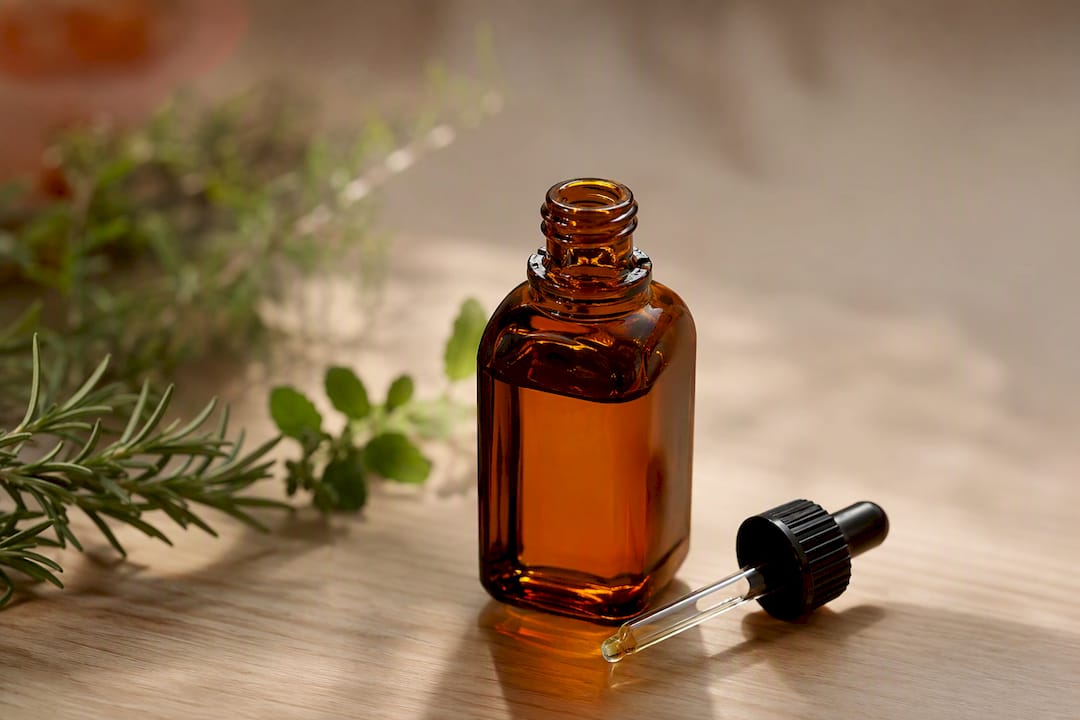
Below that tier sit essences and serums, which behave more like concentrated skin care for the scalp: thicker textures, hydrating or barrier-supporting actives, less regulatory scrutiny. Then there are lotions, thin, fast-absorbing liquids meant for daily, low-commitment use.
The formats matter as much as the classification:
- Spray tonics distribute product evenly across the scalp without heavy hand contact, good for daily use.
- Liquid drop-applicators let you target specific zones, like a receding hairline or a patchy crown.
- Aerosol tonics cool on contact and often include menthol, popular in Japan’s humid summers.
- Lotion-textured tonics sit closer to the scalp longer, suited to overnight treatment.
Healthy hair growth starts at the follicle, and the scalp environment directly affects how well follicles function, which is the whole premise behind treating the scalp as its own care category rather than an afterthought to shampoo.
Pro Tip: Check the packaging for “医薬部外品” (quasi-drug) if you’re comparing imported tonics. It signals the product went through Japan’s functional-ingredient approval process, not just standard cosmetic labeling.
What Do the Key Ingredients in Japanese Scalp Tonics Actually Do?
Reading a tonic’s ingredient list tells you more about what it’s for than the marketing copy does. A handful of actives show up again and again in Japanese formulations, and each one earns its place for a specific reason.
- Swertia japonica (known as senburi in Japan): a bitter herb extract long used in traditional formulas, generally included for soothing and mild circulatory support.
- Ginseng root extract: valued for antioxidant properties and a reputation for supporting scalp vitality.
- Hinokitiol: derived from Taiwanese hinoki cypress, functions as an antimicrobial agent that targets the fungi and bacteria linked to dandruff and odor.
- Piroctone olamine: a synthetic antifungal used to control Malassezia, the yeast most commonly tied to dandruff and seborrheic flaking.
- Salicylic acid: a beta-hydroxy acid that exfoliates the scalp’s surface, breaking down sebum and product buildup that can clog follicles.
- Nicotinic acid amide (niacinamide): supports microcirculation and helps reinforce the scalp’s barrier function.
- Menthol and ginger extract: deliver a cooling or warming sensation tied to short-term circulation stimulation, more of a comfort layer than a growth driver.
- Peptides and hyaluronic acid: newer additions borrowed straight from facial skin care, aimed at hydration and barrier repair.
That last category reflects a real shift in the field. Dermatologists now treat scalp care with the same logic as facial skin care, which explains why niacinamide, peptides, and hyaluronic acid have moved from serum bottles into tonic formulas over the past several years.
One caution worth taking seriously: exfoliating acids and strong antifungals are effective precisely because they’re active. On a sensitive or compromised scalp, salicylic acid or high concentrations of menthol can cause stinging, redness, or irritation rather than relief. Patch-test any new tonic on a small area of scalp for 48 hours before applying it broadly, and stop immediately if you notice persistent burning rather than a brief tingle.
Which Tonic Fits Your Scalp Concern?
Matching the product to the problem is where most people go wrong, usually because they buy whatever has the best packaging rather than checking what the formula is actually built to fix. Dandruff needs an antifungal. Oiliness needs an exfoliant. Dryness needs hydration. Mixing those up wastes money and sometimes worsens the issue.
| Scalp concern | Look for | Avoid |
|---|---|---|
| Dandruff or flaking | Piroctone olamine, hinokitiol, zinc pyrithione | Heavy oils that trap moisture near the scalp |
| Oily scalp with buildup | Salicylic acid pre-wash treatments, lightweight lotions | Rich essences or thick serums |
| Dry, tight, or sensitive scalp | Hyaluronic acid, peptides, ceramide-based essences | High-concentration salicylic acid, strong menthol |
| Mild thinning or shedding | Nicotinic acid amide, ginseng, Swertia japonica tonics | Products with no stated circulatory or follicle-support actives |
| Persistent itch with no visible cause | Gentle antifungal tonics, fragrance-free formulas | Products with alcohol-heavy bases |
Editorial testing on scalp treatments has found that exfoliating pre-wash formulas measurably reduce visible flaking after just a few uses, and often let leave-on tonics absorb more effectively afterward because they clear the surface first.
If you’re dealing with genuine sensitivity, whether from eczema-prone skin or a history of contact dermatitis, skip the quasi-drug medicated tonics with active percentages and start with a fragrance-free, low-concentration hydrating essence instead. Save the stronger antifungal and exfoliating formulas for scalps that can tolerate them without a reaction.
Pro Tip: If you’re not sure whether your flaking is dandruff or just dry scalp, look at the flake size. Fine, powdery flakes usually mean dryness. Larger, oily-looking flakes point toward Malassezia-driven dandruff, which responds better to antifungal actives than to moisturizers alone.
How Do You Use a Japanese Scalp Tonic Correctly?
Technique matters almost as much as ingredient choice. A great tonic applied wrong delivers mediocre results, and a mediocre tonic applied well can still outperform expectations.
- Choose your timing. Medicated tonics and lotions typically go on a clean, towel-dried or fully dry scalp, either right after washing or as a standalone nightly step. Exfoliating pre-wash treatments go on before shampoo, giving the acid time to loosen buildup.
- Part your hair in sections. Apply the tonic directly to the scalp, not the hair shaft, working in small sections so you’re not just soaking your part line.
- Use the right amount. Most spray or drop tonics call for a few pumps or drops per section, roughly a dime-to-quarter-sized amount total across the scalp.
- Massage it in. Spend one to three minutes using your fingertips (not nails) in small circular motions, working from the hairline back toward the crown. This helps distribute the product and adds a mild circulatory boost on its own.
- Layer thoughtfully. If you’re using a serum and a tonic together, apply the thinner formula first. Give each layer a minute to absorb before adding the next.
- Store it right. Keep tonics away from direct sunlight and heat sources; many formulas include volatile actives that degrade faster in a warm bathroom cabinet than in a cool drawer.
Consistency beats intensity here. A tonic used four to five nights a week for two months will outperform one used daily for a week and then abandoned. For a full routine breakdown, our guide to building a scalp care routine walks through how tonics fit alongside cleansing and conditioning steps, and if you’re curious how tonics compare to oil-based treatments, see our piece on Japanese hair oil treatments.
Pro Tip: Apply tonic to towel-dried, not soaking-wet, hair. Excess water dilutes the formula and can carry active ingredients away from the scalp before they’ve had a chance to work.
What Results Should You Actually Expect, and When Should You See a Dermatologist?
Most people notice improvements in scalp comfort, reduced flaking, or a less oily feel with consistent use over time. Visible changes in shedding or density, if they happen at all, tend to take longer, and tonics work best as maintenance and mild-thinning support rather than a fix for advanced hair loss. That’s a different timeline and a different job than prescription therapies, which are formulated to address specific diagnosed conditions.
Some scalp issues aren’t a tonic’s job to solve:
- Psoriasis with thick, silvery plaques needs a dermatologist’s diagnosis and often prescription treatment.
- Severe seborrheic dermatitis that doesn’t respond to over-the-counter antifungals within a few weeks warrants a professional look.
- Persistent folliculitis, painful bumps, or pustules on the scalp, can signal a bacterial infection that OTC tonics won’t clear.
- Sudden or patchy hair loss, as opposed to gradual thinning, deserves medical evaluation rather than a wait-and-see approach with tonics.
If a tonic causes ongoing burning, redness, or worsening flakes rather than improvement, stop use and consult a dermatologist rather than switching to a stronger formula.
Why Trust This Guide on Japanese Scalp Tonics?
Spyra Verified works directly with manufacturers and brand owners across Japan and the wider Asian beauty market, rather than sourcing through unverified resellers. That direct-partner model is what lets the platform confirm a tonic’s actual formulation, including whether it’s a genuine quasi-drug product with the ingredient concentrations it claims, before it ever reaches a customer.
This guide was written by Anni for the Spyra Verified editorial team, drawing on the same ingredient research and product classification standards Spyra Verified applies when vetting new haircare partners for the platform.
Authenticity in Japanese beauty isn’t just about the label. It’s about whether the actual formulation matches what Japanese regulatory categories promise, and that’s the gap counterfeit and gray-market sellers exploit most often.
A few practical things that separate a verified source from a guessing game:
- Direct manufacturer partnerships mean ingredient lists and quasi-drug classifications are confirmed, not assumed
- Community-tested products give real feedback before wider rollout
- Localized support helps readers outside Japan understand labeling and usage that would otherwise be lost in translation
If you’re also exploring Korean scalp-first routines for comparison, our breakdown of Korean haircare treatments covers where the two traditions overlap and where they diverge.
The Real Question Isn’t Whether Tonics Work
Most of the debate around Japanese scalp tonics gets the question backward. People ask whether tonics “work,” as if that’s a single yes-or-no answer, when the honest answer depends entirely on what you’re treating and whether the formula was ever built to treat it.
The conventional wisdom I’d push back on hardest: the idea that a fancier-looking tonic with a longer ingredient list automatically beats a simpler quasi-drug formula. It doesn’t. A tonic built around piroctone olamine for dandruff will outperform a ten-ingredient “luxury” essence with no antifungal in it, every time, for that specific problem. Ingredient-to-concern matching beats ingredient count.
What gets underestimated is technique. The massage, the timing, the consistency, all of that shapes outcomes as much as the formula itself does. And what gets overestimated is speed. Anyone selling a scalp tonic as a fast fix for real thinning is selling past what the category can honestly deliver.
Prioritize sourcing next. A quasi-drug claim only means something if the product genuinely came from a manufacturer following Japan’s classification rules, not a label slapped on by a reseller who never verified anything.
— Anni
Get Authentic Japanese Scalp Tonics Without the Guesswork of Gray-Market Sellers
Finding a genuine quasi-drug tonic outside Japan usually means wading through resellers who can’t confirm whether the ingredient list on the bottle matches what’s actually inside. Spyra Verified skips that problem by working directly with the manufacturers who make these formulas, so what you’re buying is the same product sold on Japanese shelves, not a relabeled substitute.
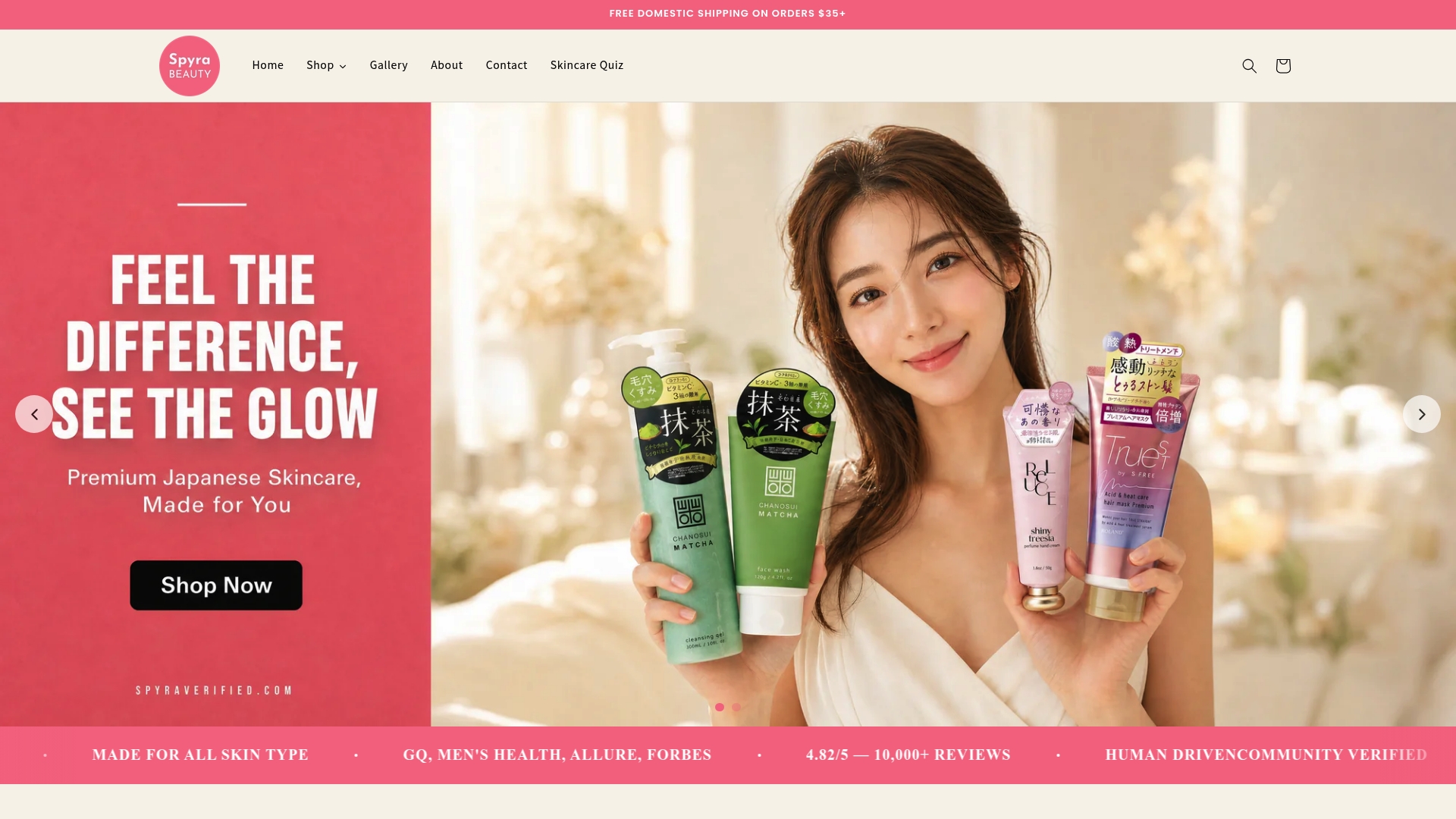
That direct-sourcing model matters most for the medicated tonics covered in this guide, where the specific concentration of piroctone olamine or nicotinic acid amide determines whether the product actually does its job. Spyra Verified’s hair care collection is built around that verification standard, and it also carries skin-care crossover products for readers experimenting with peptide and hyaluronic acid scalp actives. If you’re building out a full cleansing step alongside a tonic, QAI Cleanse Shampoo pairs well as a gentle, scalp-focused base layer.
Browse the hair care collection now to find a tonic matched to your specific scalp concern, whether that’s dandruff, dryness, or early thinning.
Sources
- The role of scalp and hair follicle health in hair growth — PubMed Central (PMC)
- Health
- Best scalp care products and the science behind them — GQ
