

How to Use the Japanese Lotion Layering Method
The Japanese lotion layering method is a hydrating skincare technique that applies multiple thin layers of lotion to build deep, lasting moisture in the skin. Known formally in J-beauty circles as mizu-buki influenced hydration layering, this practice treats lotion not as a single prep step but as the core of your entire routine. The result is skin that feels plump, soft, and ready to absorb everything you apply afterward. Skincare enthusiasts who switch to this approach consistently report better texture and fewer dry patches within weeks of starting.
How to use the Japanese lotion layering method: the core concept
The method works by applying multiple thin lotion layers rather than one heavy coat, allowing each layer to absorb before the next goes on. This gradual build is the foundation of Japanese skincare philosophy. One thick application sits on the surface and evaporates. Three to five thin applications penetrate progressively deeper, creating a reservoir of moisture the skin can draw from throughout the day.
Japanese lotion, called toner in Western markets, is thinner and more water-rich than most Western moisturizers. It is designed specifically for layering. The goal of each layer is to make the skin feel plump and damp but never dripping or sticky. That balance is the skill you are building.
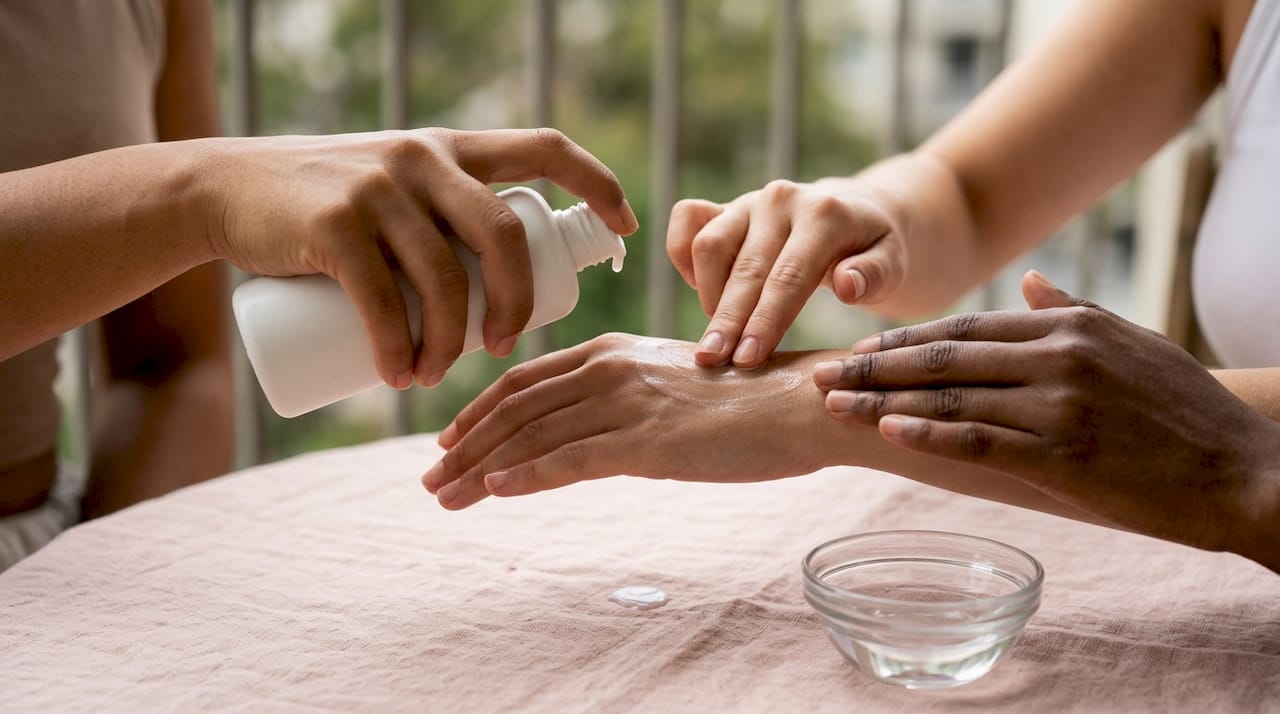
Lotion layering enhances skin softness and prepares the surface for better penetration of active ingredients in serums and moisturizers applied afterward. Hydrated skin is physically softer at the cellular level, which means actives can move through it more easily. Skipping this step and going straight to serum is like trying to water a dry, cracked clay pot. The water runs off instead of soaking in.
What products and preparation do you need?
The right lotion is lightweight, water-forward, and free of heavy occlusives like petrolatum or mineral oil in the first few ingredients. Look for formulas with hyaluronic acid, glycerin, ceramides, or fermented ingredients, all of which are common in Japanese skincare. Thick creamy lotions do not layer well. They sit on top and create a barrier that blocks subsequent layers from absorbing.
Tools you will need:
- A gentle, pH-balanced cleanser that does not strip the skin
- Lukewarm water for rinsing (hot water disrupts the skin barrier)
- Clean hands for direct application, or cotton pads for the lotion mask technique
- A lightweight, water-based Japanese lotion suited to your skin type
- Optional: a facial mist to keep skin damp between steps
Skin preparation is not optional. Gentle cleansing routines that avoid disrupting the skin barrier are what make layering effective. Use lukewarm water, minimal friction, and avoid daily cotton wipe cleansing, which can erode the barrier over time. After cleansing, do not wait until your skin is completely dry. Apply your first lotion layer while the skin is still slightly damp. That residual moisture acts as a carrier, pulling the lotion deeper on contact.
The hands-versus-cotton-pads debate is real. Applying with clean hands is warmer and gentler, which supports absorption. Cotton pads give more even coverage and work better for the lotion mask technique. Neither method is wrong. Choose based on what your skin responds to and what your routine allows.
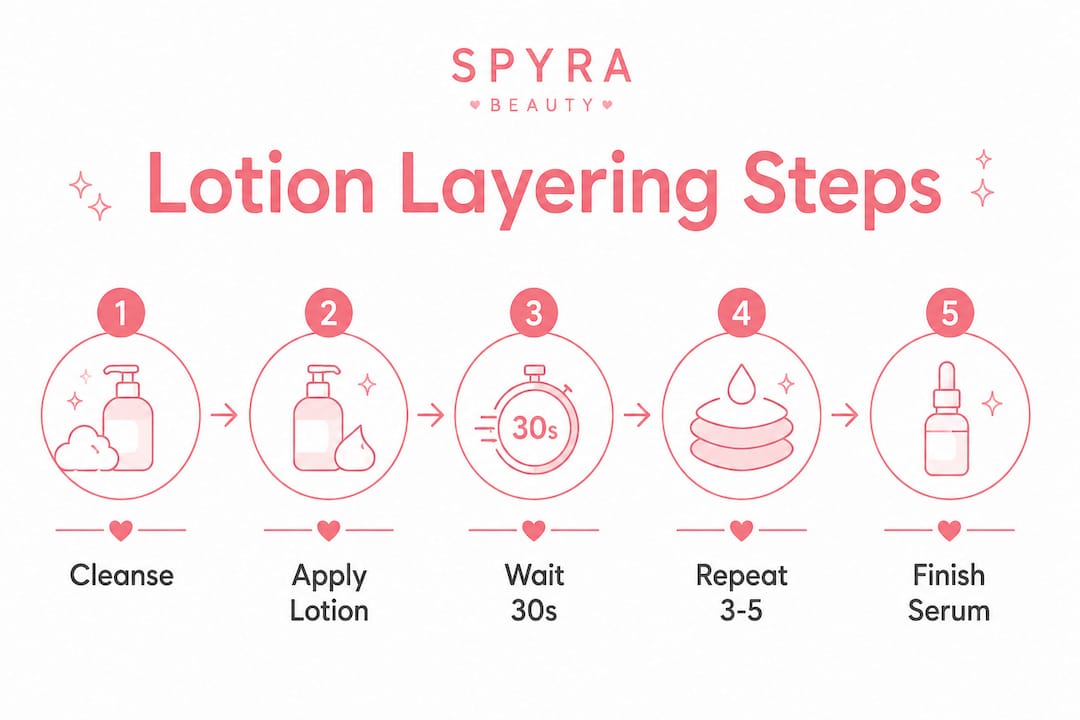
Pro Tip: Warm the lotion between your palms for five seconds before pressing it into your skin. The slight heat opens the surface slightly and helps the product absorb faster.
Step-by-step guide to layering lotion effectively
Follow this sequence every time for consistent results.
- Cleanse gently. Use a mild cleanser with lukewarm water. Pat dry with a soft towel, leaving skin slightly damp.
- Pour a small amount of lotion. Use roughly the size of a large coin per layer. More is not better at this stage.
- Press, do not rub. Place your palms flat against your face and press the lotion in. Gentle patting supports absorption better than rubbing and preserves the skin barrier. Work from the center of the face outward.
- Wait 30 to 60 seconds. The recommended wait time between layers is 30 to 60 seconds. This is not optional. Applying the next layer too soon means the first has not absorbed, and you are just moving product around on the surface.
- Repeat for 3 to 5 layers. Three layers is the practical minimum for noticeable hydration. Five layers is the standard for dry or dehydrated skin. Up to seven layers is possible but rarely necessary for daily use.
- Check your skin. After the final layer, your skin should feel soft, slightly tacky, and plump. If it still feels tight or dry, add one more layer.
- Optional lotion mask. Soak 3 to 4 cotton pads in lotion, split them into thinner layers, and press them onto dry areas like cheeks and forehead. Leave for 3 to 5 minutes for concentrated hydration. Remove before they dry out completely.
- Continue your routine. Apply serum, emulsion, or moisturizer immediately after the final layer while skin is still receptive.
Pro Tip: The lotion mask works best two to three times per week, not daily. Daily use can over-saturate the skin and reduce the technique’s impact over time.
What mistakes should you avoid when layering lotion?
Most problems with lotion layering come from doing too much, not too little. These are the errors that reduce results or cause irritation.
- Over-layering past seven layers. More layers do not equal more hydration. Beyond seven, the skin cannot absorb more water-based product and the surface becomes sticky or congested.
- Rubbing instead of patting. Excessive friction contributes to dullness, visible pores, and redness. Always press and pat. Never drag.
- Applying too much pressure. Pressing hard does not push product deeper. It stresses capillaries and can cause lasting redness in sensitive skin. Use the weight of your hands only.
- Leaving the lotion mask on too long. Leaving masks longer than 5 minutes reverses the hydration benefit. Cotton that dries on the skin pulls moisture out instead of delivering it. Set a timer.
- Not waiting between layers. Rushing through layers means none of them absorb properly. The 30 to 60 second wait is the whole point of the technique.
- Starting on fully dry skin. Dry skin absorbs the first layer less efficiently. Always apply the first layer while skin is still slightly damp from cleansing.
“Daily hydration layering with attentive technique prevents dryness and supports a healthy moisture barrier. Consistency and gentle application habits contribute more to skin health than expensive products or complicated routines.”
Recognizing these mistakes early saves you weeks of troubleshooting. If your skin feels sticky after layering, you are either using too much product per layer or not waiting long enough between them. If it feels irritated, check your pressure and your patting technique. For a deeper look at what goes wrong in layering routines, the common skincare layering mistakes guide from Spyraverified covers the most frequent errors in detail.
How does lotion layering fit into a full Japanese skincare routine?
Lotion layering is not a standalone step. It sits within a carefully ordered sequence that the Japanese skincare routine philosophy has refined over decades. The full routine follows a light-to-heavy principle, and lotion layering is the hydration foundation that makes every subsequent step work better.
| Step | Product type | Purpose |
|---|---|---|
| 1 | Oil or balm cleanser | Remove sunscreen and makeup |
| 2 | Gentle foam or gel cleanser | Deep cleanse without stripping |
| 3 | Japanese lotion (layered 3–5 times) | Build deep hydration base |
| 4 | Serum or essence | Deliver active ingredients |
| 5 | Emulsion or light moisturizer | Seal in hydration |
| 6 | Sunscreen (AM) or sleeping mask (PM) | Protect or lock in overnight |
Lotion layering sits at step three because adding water to soften the skin is critical before applying actives. A serum applied to dehydrated skin delivers a fraction of its potential. The same serum applied after five lotion layers reaches deeper and works faster. The sequence is not arbitrary. Each step builds on the last.
The role of water in skincare is what makes this sequence logical. Water-based lotion layers create a hydrated matrix in the upper skin layers. That matrix makes the skin temporarily more permeable, which is exactly the condition you want when applying a vitamin C serum or a niacinamide treatment. Daily consistency with this sequence produces results that product switching never will.
Why patience is the real skill in lotion layering
Lotion layering rewards patience in a way that most skincare steps do not. I have worked with dozens of Japanese beauty products and routines over the years, and the single biggest predictor of results is not the product. It is whether the person actually waits between layers.
Most people rush the 30 to 60 second absorption window. They apply layer two after ten seconds because the skin looks like it has absorbed the first. It has not. The surface dries quickly, but the product is still migrating through the upper layers. Skipping the wait stacks product on the surface instead of building depth.
My honest recommendation: start with three layers and master the technique before adding more. Three layers done correctly outperform five layers done carelessly. Once your skin feels consistently plump and soft after three layers, add a fourth. Let your skin tell you when it is ready for more, not the clock or a product label.
The other thing most guides skip: your skin’s needs change with the seasons. In summer, two to three layers may be enough. In winter, or in dry climates, five layers becomes the baseline. Adapting your layer count to your environment is not overcomplicating the routine. It is paying attention to what your skin is actually telling you.
— Anni
Skincare products that support your lotion layering routine
Choosing the right lotion makes every layer count. A formula that is too thick will not absorb between layers. One that is too watery may not deliver enough hydration per application. The sweet spot is a lightweight, water-rich lotion with skin-identical ingredients like ceramides, hyaluronic acid, or fermented extracts.
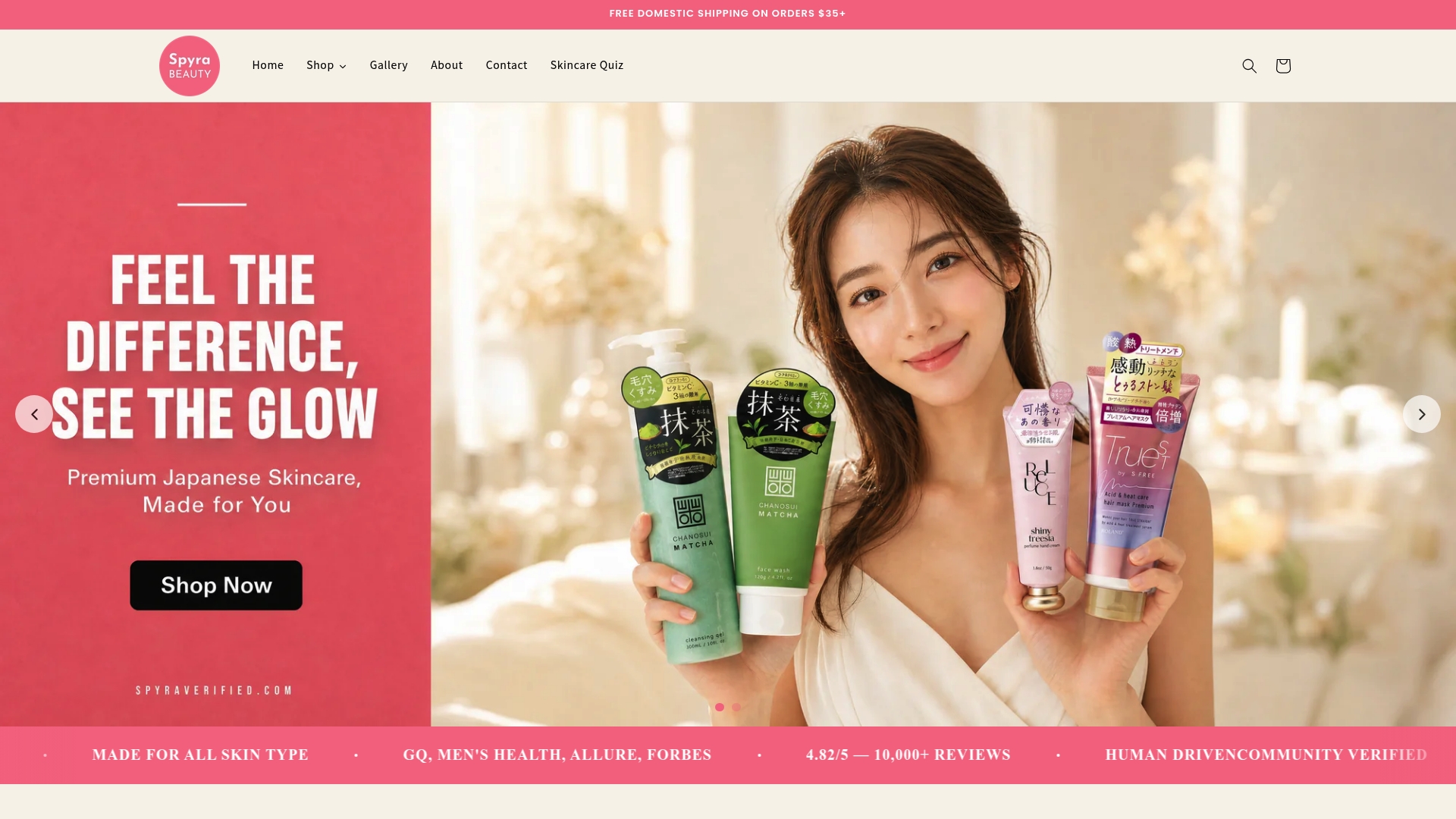
Spyraverified curates a range of authentic Japanese and Asian skincare products selected specifically for their quality and compatibility with layering techniques. The skincare collection includes hydrating lotions, essences, and supporting products sourced directly from manufacturers. Every product is vetted for authenticity, so you are getting the real formulas that make this method work, not reformulated exports. Browse the collection to find the lotion that fits your skin type and layering goals.
FAQ
What is the Japanese lotion layering method?
The Japanese lotion layering method applies 3 to 5 thin layers of lightweight lotion to the skin, with 30 to 60 seconds of absorption time between each layer, to build deep, lasting hydration.
How many lotion layers should I apply?
Three to five layers is the standard recommendation for most skin types. Up to seven layers is possible for very dry or dehydrated skin, but more than that offers no additional benefit.
How long should I wait between lotion layers?
Wait 30 to 60 seconds between each layer. This window allows the product to absorb properly before the next application goes on.
What is the lotion mask technique?
The lotion mask technique soaks 3 to 4 cotton pads in lotion, splits them thin, and presses them onto dry areas for 3 to 5 minutes. Remove them before they dry out completely, since cotton drying on skin pulls moisture out rather than delivering it.
Can I use any lotion for layering?
Use a lightweight, water-based lotion without heavy occlusives. Japanese lotions formulated with hyaluronic acid, glycerin, or fermented ingredients work best because they are designed to absorb quickly and layer without buildup.
Key takeaways
The Japanese lotion layering method builds deep hydration through 3 to 5 thin, absorbed layers, and consistent gentle technique delivers more results than any single expensive product.
| Point | Details |
|---|---|
| Layer count matters | Apply 3 to 5 thin layers, waiting 30 to 60 seconds between each for proper absorption. |
| Patting beats rubbing | Press lotion in with flat palms to protect the skin barrier and reduce redness. |
| Lotion mask timing is critical | Keep cotton pad masks on for 3 to 5 minutes only; longer reverses hydration benefits. |
| Sequence drives results | Apply lotion layers before serums and moisturizers so actives penetrate hydrated skin. |
| Consistency outperforms complexity | Daily gentle layering with the right technique matters more than product price or variety. |
