


Avoid Underprotection: Japanese Sunscreen Sprays for U.S. Shoppers
Japanese sunscreen sprays exist for reapplication and touch-ups, not as your only line of defense. Use a cream, milk, or gel as your morning base to hit the labeled SPF and PA numbers, then reach for the spray to maintain that protection over makeup, on your body, or in your hair as the day wears on.
TL;DR:
- Sprays are mainly for quick reapplication and touch-ups, not as the primary sunscreen method, because they cannot always deliver full SPF and PA protection.
- Aerosol mist sprays cover large areas fast but pose inhalation risks, while pump sprays are slower but safer and more eco-friendly for travel.
- Always apply a cream, gel, or milk base first to ensure an even, tested-level protection before reapplying with sprays throughout the day.
- Use sprays at a safe distance of 10 to 15 centimeters on the body and spray into palms for the face, patting gently to avoid uneven coverage or inhalation.
- Store spray cans away from heat sources and check TSA guidelines before flying with aerosol sunscreen, especially if you are traveling internationally.
Table of Contents
- What Are Japanese Sunscreen Sprays Actually For?
- Aerosol, Pump, and Hair Sprays: What’s the Difference?
- How Do You Apply Sunscreen Spray Safely?
- Should You Use a Spray or a Cream Each Day?
- What Do SPF, PA, and Water Resistance Actually Mean?
- How Should You Store and Travel With Sunscreen Sprays?
- Why Spyra Verified Curates Japanese Sunscreen Sprays
- Where to Find Vetted Japanese Sunscreen Sprays
- Sources
- FAQ
What Are Japanese Sunscreen Sprays Actually For?
A mist can’t reliably build the same film thickness as a cream applied by hand, which is why it’s rarely enough on its own to deliver the SPF and PA rating printed on the bottle. That’s not a flaw in the format. It’s just physics: a fine spray disperses unevenly, and getting full, tested-level coverage requires the kind of deliberate rubbing-in that sprays are designed to skip.
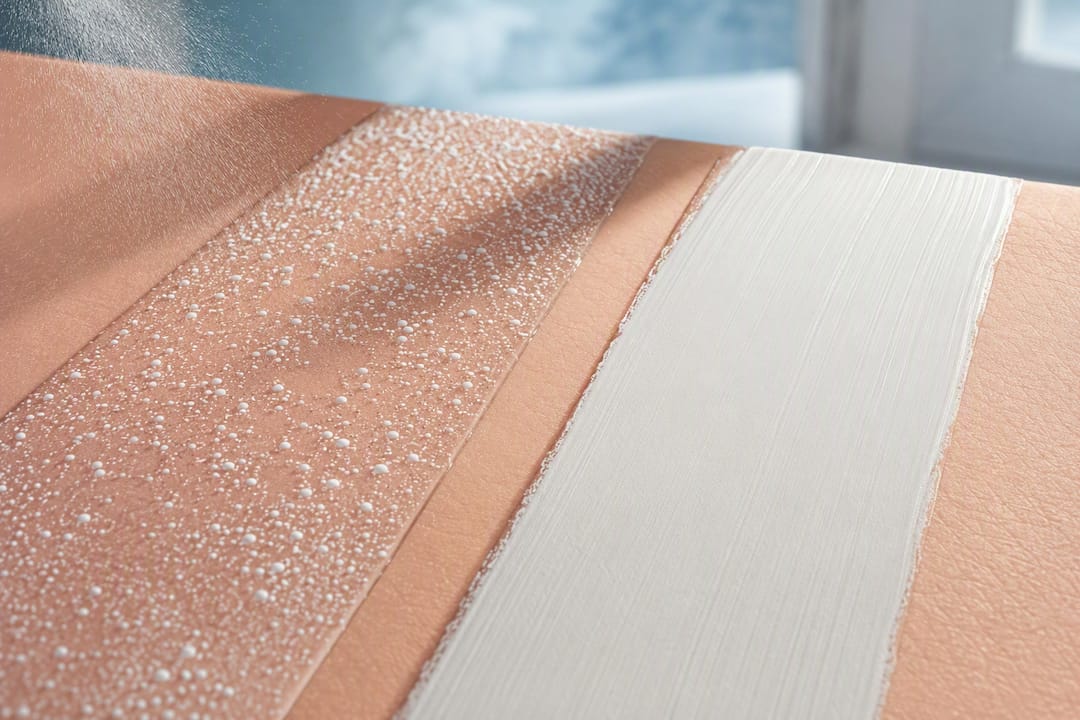
Where sprays earn their spot in your routine is speed. You can cover both arms and your neck in the time it takes to squeeze out and rub in a palmful of lotion, which matters when you’re rushing between meetings or trying not to lose your beach spot to reapply sunscreen mid tan.
Japanese formulas lean hard into a lightweight, quick-dry finish that won’t disturb foundation or leave a sticky residue in humid weather. Common real-world moments where a spray genuinely outperforms a cream:
- Touching up bare arms and legs on a commute without needing a mirror
- Refreshing SPF over makeup at a wedding or outdoor event without smearing it
- Coating hard-to-reach spots like your upper back at the beach
- A midday reapplication at a festival, hike, or theme park when you can’t step away to wash your hands
Aerosol, Pump, and Hair Sprays: What’s the Difference?
Not every spray sunscreen works the same way, and the delivery mechanism changes how safely and effectively you can use it. Aerosol mists use pressurized gas to atomize the sunscreen into a fine cloud, which covers ground fast but comes with two real caveats: the canister can build dangerous pressure near heat, and a fine airborne mist is easier to accidentally inhale.
Non-aerosol pump sprays push liquid out mechanically instead of using compressed propellant. They dispense in a heavier stream rather than a cloud, which cuts down on inhalation risk and makes them a more sensible pick for travel, since some formulations skip the pressurized can format altogether for a more eco-conscious footprint.
Then there are hair and scalp sprays, a category Japanese brands take seriously because parting lines and ears burn easily and nobody wants to rub cream into their hairline. A few things worth knowing before you buy:
- Aerosol mists cover the most surface area fastest, but need distance and ventilation
- Non-aerosol pumps are gentler on the lungs and often preferred for flights or small bags
- Hair/scalp sprays usually carry a lighter, alcohol-based formula so they don’t leave hair greasy
- Fragranced versions are common in Japan, so check the label if you have fragrance sensitivity
If you already know which base formula suits your skin, choosing the right spray to layer on top is mostly about matching the delivery method to your activity, not chasing a specific brand name.
How Do You Apply Sunscreen Spray Safely?
Technique determines whether a spray protects you or just perfumes the air around you. The rule drugstore staff in Japan repeat most often: never spray directly onto your face. Instead, spray into your palms and pat the product onto your skin, or use a cloth barrier if you’re worried about your hands getting slippery.
For the body, hold the can 10 to 15 centimeters away and keep it moving in a steady sweep. Don’t hover over one spot for more than a couple of seconds, since that creates an uneven, overly concentrated patch instead of a smooth coat. A simple sequence to follow:
- Shake the can, then spray into your palms for the face and pat it on gently.
- For the body, sweep the can 10 to 20 centimeters from skin in continuous motion.
- Rub the product in with your hands if the label instructs it, especially on drier patches.
- Reapply to exposed skin, hairline, and ears regularly when in direct sun.
Layering over makeup works best with quick-dry mists formulated for that purpose. Test a small patch first to make sure it doesn’t pill or streak your foundation before you commit to spraying your whole face at a wedding.
Pro Tip: Keep a small non-aerosol pump in your bag for touch-ups over makeup, and save the higher-pressure aerosol can for bare skin at the beach or pool, where inhalation risk matters less and coverage speed matters more.
Should You Use a Spray or a Cream Each Day?
Start every morning with a cream, milk, or gel base. That’s the only format that lets you build a true, even film thick enough to match the SPF and PA printed on the label, since dermatologists and product guides consistently point to sprays as reapplication tools, not substitutes for that first application.
From there, reapply every one to two hours if you’re in direct sun, and always after swimming, toweling off, or sweating heavily. A few routines that map cleanly onto real days:
- Commuter day: cream base before leaving, spray touch-up at lunch and again mid-afternoon
- Beach day: cream base 20 minutes before sun exposure, spray reapplication every hour and immediately after each swim
- Travel day: cream base in the morning, non-aerosol spray in your carry-on for touch-ups through airports and layovers
A waterproof matcha sunscreen cream works well as that morning anchor, with a spray riding along for everything after.
What Do SPF, PA, and Water Resistance Actually Mean?
SPF measures UVB protection, the rays behind sunburn. PA measures UVA protection, the rays behind premature aging and deeper skin damage, on a scale from PA+ to PA++++. For daily wear in strong sun, aim for PA+++ or PA++++ if you want serious UVA coverage, since anything lower leaves a real gap against the rays that do the most long-term damage.
Japan’s regulatory system allows modern UV filters like Tinosorb S and Uvinul A Plus, which is a meaningful part of why Japanese sunscreens tend to reach higher UVA protection than many products currently available under FDA-approved filters in the United States. That regulatory gap is worth knowing if you’re used to shopping American drugstore shelves and wondering why the numbers look different on imported bottles.
Water resistance claims matter just as much as the SPF number itself:
- “Water resistant” typically means the product holds up through light activity or brief water contact
- “Very water resistant” markers suggest longer performance through swimming or heavy sweat, but neither claim means permanent protection
- Reapply immediately after swimming or toweling off regardless of what the water-resistance label promises
Statistic Callout: Japanese sunscreens frequently reach SPF50+ with PA++++, a UVA rating ceiling that drugstore guides highlight as a defining feature of the category compared with lower PA ratings common elsewhere.
If PA ratings are new to you, it’s worth reading up on how the scale works before you start comparing bottles side by side.
How Should You Store and Travel With Sunscreen Sprays?
Heat is the enemy of any pressurized can. Never leave a spray sunscreen on a car dashboard, near a window in direct sun, or anywhere temperatures can spike, since the same drugstore staff who recommend these products also warn that heat exposure can compromise both the formula and the can itself.
Air travel adds another layer of planning. Check current TSA liquid rules before you pack, and lean toward a non-aerosol travel size if you’re unsure whether your aerosol can will clear security or fit within carry-on limits.
A few other practical notes:
- Some formulas can leave a faint mark on dark clothing, so let sunscreen dry fully before dressing
- Fragranced sprays are common in Japan, so patch-test if you’re sensitive to added scent
- Dispose of empty aerosol cans according to local recycling rules rather than regular trash, since pressurized canisters often need separate handling
Why Spyra Verified Curates Japanese Sunscreen Sprays
Reformulated or gray-market imports are common in this category, and a spray that’s missing its original UV filters won’t perform the way the label promises. Some sellers partner directly with manufacturers and verify products through community testing before they reach storefronts, which matters most for something you’re trusting to sit between your skin and the sun.
Authentic sourcing isn’t a nice extra here. It’s the difference between a spray that actually contains Tinosorb S at the labeled concentration and one that’s been quietly reformulated for export.
— Anni
Where to Find Vetted Japanese Sunscreen Sprays
Shopping for Japanese sun care outside Japan usually means gambling on resellers with no way to confirm what’s actually in the bottle. Spyra Verified’s skincare collection sources directly from manufacturer partners and verifies authenticity before anything ships, so you’re not left guessing whether that SPF50+ PA++++ claim on the label is real.
Every listing gets checked for the same details this guide walks through: SPF and PA ratings, water-resistance claims, and formula type, so you can compare products using the same checklist you just read. Customer support is available if you’re unsure which base cream pairs best with a spray for your skin type, and if you’re stocking up for hair and scalp protection too, the hair care collection covers those formats as well. Browse available selections, cross-check labels against the information here, and place your order with confidence.
Sources
- Japan Drugstore Guide: Best Japanese sunscreen brands
- A Complete Guide to Japanese Sunscreens: The Best Products to Survive the Summer
FAQ
What Is the Best Spray Sunscreen in Japan?
There’s no single “best” since it depends on whether you need aerosol speed, non-aerosol travel convenience, or a hair-safe formula, but the strongest options consistently carry SPF50+ PA++++ ratings with a quick-dry, non-sticky finish.
What Is the Best Japanese Sunscreen Spray for the Face?
Look for a mist specifically labeled safe for facial use, and even then, spray into your palms and pat it on rather than spraying directly at your skin to avoid inhaling the mist.
Which Japanese Sunscreen Is Considered the Best Overall?
Most dermatologist-aligned guidance points to cream, milk, or gel formulas as the strongest overall performers because they build a more even, testable film, while sprays serve as the best tool for reapplication throughout the day.
Why Is Japanese Sunscreen Considered So Much Better?
Japan’s regulatory system permits modern UV filters like Tinosorb S and Uvinul A Plus, which push many products to PA+++ or PA++++ UVA protection, a level not currently matched by most FDA-approved filters available in the United States.
Can I Use a Spray Sunscreen as My Only Protection?
You can, but you’re taking a real risk of underprotection, since achieving an even film thick enough to match the labeled SPF and PA rating is much harder with a mist than with a cream applied by hand.
