


Why Airless Packaging Is Better for Skincare
Airless packaging is defined as a vacuum-sealed dispensing system that protects skincare formulations by eliminating air contact throughout the product’s entire lifespan. This matters most for sensitive actives like vitamin C and retinol, which begin breaking down within three months in traditional packaging. The beauty industry now recognizes airless technology as the gold standard for preserving ingredient potency, and the science behind that reputation is straightforward. Understanding why airless packaging is better for skincare means understanding what actually happens to your products inside the bottle.
Why airless packaging is better for skincare formulations
Airless packaging works through a vacuum piston mechanism, not a dip tube. A traditional pump draws product up through a tube submerged in the formula, pulling air into the container with every press. An airless system uses a sealed piston at the base of the bottle that rises as product is dispensed, keeping the interior completely isolated from outside air.
This design eliminates two of the biggest threats to skincare actives: oxidation and microbial contamination. Oxidation degrades vitamin C, retinol, resveratrol, and peptides at the molecular level, reducing their effectiveness before you even notice a change in color or smell. Microbial growth follows a similar path, accelerated by the warm, humid conditions of a bathroom shelf.
The mechanism also solves a practical problem most consumers overlook. Airless dispensers work at any angle, including upside down, because there is no dip tube that needs to reach pooled product. High-viscosity serums and creams that would clog or stall in a traditional pump dispense cleanly every time.
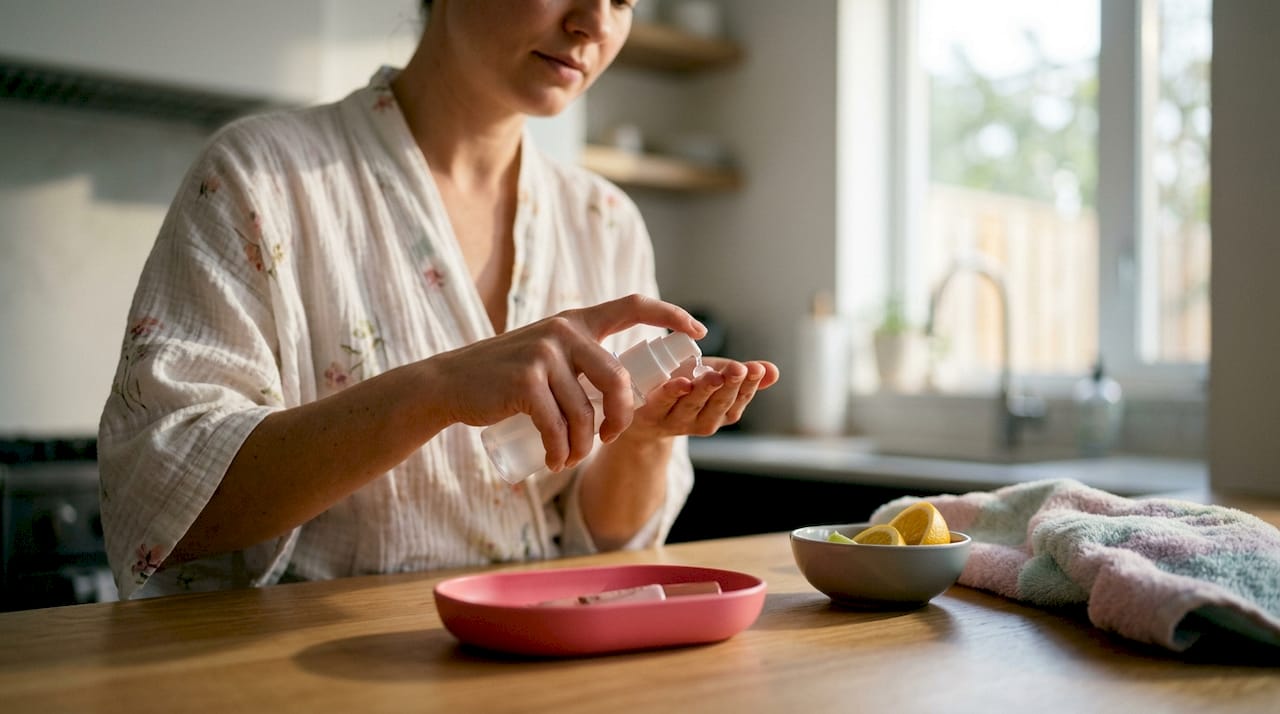
Material selection matters here too. The piston and inner chamber must resist chemical reactions with active ingredients. Polypropylene and certain medical-grade plastics are standard choices because they do not interact with acidic or antioxidant-rich formulas.
Pro Tip: When evaluating a new serum, press the pump before you open the product. An airless bottle should feel firm and spring back with resistance. A loose, airy pump is a sign the seal may be compromised.
What are the benefits of airless packaging for ingredient stability?
The most direct benefit of airless packaging is extended ingredient potency. Traditional packaging causes notable ingredient breakdown within three months of first use. That is a serious problem when a vitamin C serum costs $60 and takes four months to finish.
Airless systems protect the full spectrum of oxidation-prone actives. Vitamin C (ascorbic acid) is particularly vulnerable because it oxidizes rapidly on contact with air, turning yellow and losing its brightening effect. Retinol degrades under the same conditions, reducing its cell-turnover benefits. Peptides and resveratrol are similarly fragile. An airless container keeps these ingredients in the same chemical state from the first pump to the last.
“Airless packaging is essential for newer-generation, highly active skincare formulations to maintain potency, color, and odor profiles throughout the product’s shelf life.”
The hygiene advantage is just as significant. Finger contact in jar packaging is a primary cause of bacterial growth, especially in humid bathroom environments. Every time you dip a finger into a cream, you introduce bacteria, skin cells, and moisture. Airless dispensers eliminate that contact entirely, which is why dermatological and medical-grade beauty products increasingly rely on this format.
Reducing contamination risk also means formulators can lower the concentration of synthetic preservatives. Airless systems enable cleaner formulas by providing physical protection that preservatives would otherwise need to supply. For consumers with sensitive skin or a preference for clean beauty, this is a meaningful formulation advantage.
| Ingredient | Risk in traditional packaging | Protection with airless packaging |
|---|---|---|
| Vitamin C (ascorbic acid) | Oxidizes within weeks of air exposure | Potency maintained from first to last use |
| Retinol | Degrades with repeated air contact | Stable dispensing without oxidation |
| Peptides | Break down under microbial contamination | Hygienic, non-contact delivery |
| Resveratrol | Sensitive to light and air exposure | Sealed environment preserves activity |
Airless packaging helps brands extend active ingredient shelf life, which reduces customer complaints and supports premium pricing. From a consumer perspective, that translates to a product that actually performs the way the label promises, from the first application to the last.
How does airless packaging improve user experience and reduce waste?
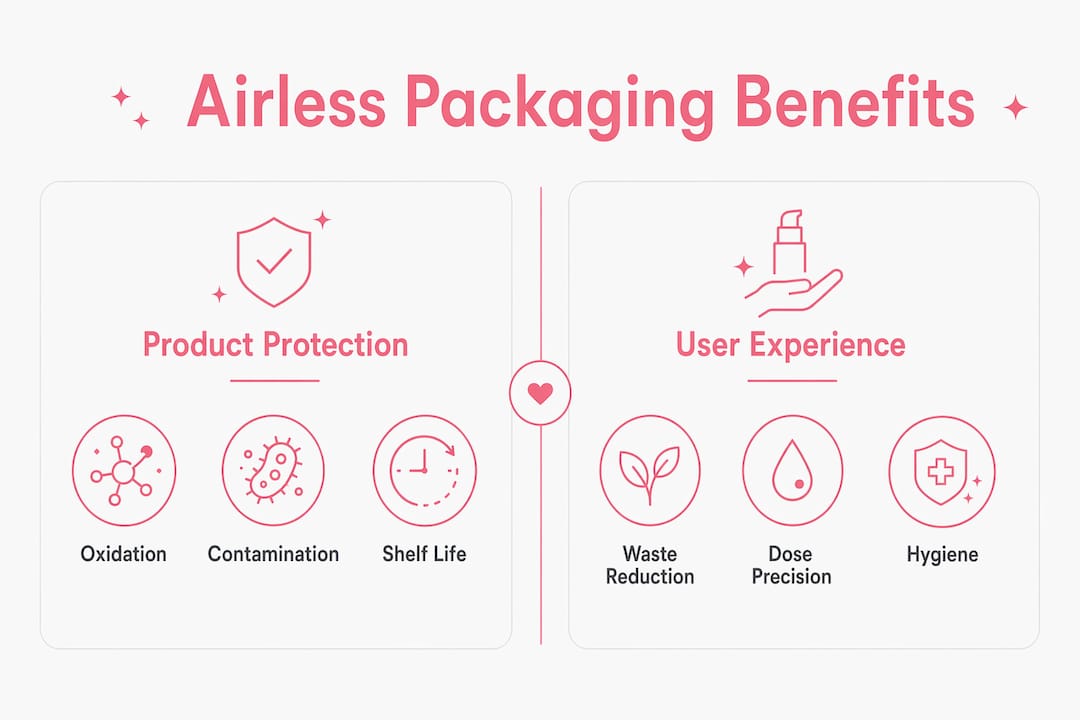
Waste is a real cost in skincare, and traditional packaging makes it worse. Jars and standard pump bottles typically leave 10–20% of the product unretrievable. Airless pump systems achieve evacuation rates of up to 99% by using a piston that physically scrapes the container walls as it rises. You never need to cut open a tube or scrape the bottom of a jar.
That level of efficiency has a direct economic impact. A $80 retinol treatment that wastes 15% of its contents costs you $12 in lost product. Multiply that across your full routine and the savings become significant over a year.
Dosing precision is the second major usability advantage. Calibrated actuators in airless pumps deliver a consistent, measured volume with each press. This prevents over-application of expensive actives, which is one of the most common skincare layering mistakes consumers make. Using twice the recommended amount of a retinol serum does not double the results. It increases irritation risk and burns through the bottle twice as fast.
Pro Tip: One pump of an airless serum is almost always the right dose for the full face. If you are used to jar products, resist the urge to apply more. The formula is designed to work at that volume.
The hygiene benefit extends to the user experience in a practical way. No finger contact means no cross-contamination between the bottle and your skin. For anyone managing acne, rosacea, or post-procedure skin, this is not a minor detail. It is the difference between a product that stays sterile and one that becomes a bacterial reservoir by week three.
| Feature | Traditional jar or pump | Airless pump bottle |
|---|---|---|
| Product evacuation rate | 80–90% (10–20% wasted) | Up to 99% |
| Dosing consistency | Variable, user-dependent | Calibrated per press |
| Contamination risk | High (finger contact, air exposure) | Minimal (sealed, non-contact) |
| Dispensing angle | Upright only (dip tube) | Any angle |
| Ingredient stability | Degrades with repeated air exposure | Protected throughout use |
What should consumers keep in mind about airless packaging?
Airless packaging is not without trade-offs, and knowing them helps you shop more carefully.
- Recyclability is more complex. Multi-component construction, including the pump head, piston, and outer container, makes airless bottles harder to recycle in standard curbside programs. Look for cyclos-HTP certification or similar sustainability credentials when choosing products. Some brands now offer refillable airless systems that address this directly.
- Not all airless pumps are equal. Entry-level airless bottles use basic piston designs that may not seal as tightly or last as long. Higher-quality formats use medical-grade materials and precision-engineered pump heads. A loose or rattling pump mechanism before the bottle is opened is a red flag.
- Viscosity matching matters. Airless systems work best with serums, light creams, and gel formulas. Very thick balms or oil-heavy products may not dispense cleanly through a standard airless pump. Check that the product format matches the packaging design.
- Seal quality determines leak prevention. Travel-friendly airless bottles should have a locking mechanism on the pump head. Without it, pressure changes during flights can cause product to seep out.
- Refillable designs are growing. Several premium skincare lines now offer refillable airless cartridges that slot into a reusable outer casing. This format reduces plastic waste without sacrificing the protective benefits of the airless system.
The role of vitamin C serum in a healthy routine is a good example of why packaging choice matters at the point of purchase. A vitamin C product in a clear jar with a wide lid is almost certainly degrading faster than the same formula in an opaque airless bottle.
Key Takeaways
Airless packaging preserves skincare actives by eliminating air exposure, preventing microbial contamination, and delivering up to 99% product evacuation, making it the most effective format for sensitive, high-value formulations.
| Point | Details |
|---|---|
| Ingredient protection | Airless systems prevent oxidation of vitamin C, retinol, and peptides from first use to last. |
| Waste reduction | Evacuation rates of up to 99% eliminate the 10–20% product loss common in jars and standard pumps. |
| Hygiene advantage | Non-contact dispensing removes the bacterial contamination risk caused by finger contact in jar packaging. |
| Dosing precision | Calibrated actuators deliver a consistent volume per press, preventing over-application of expensive actives. |
| Sustainability nuance | Multi-component designs complicate recycling; look for cyclos-HTP certification or refillable formats. |
Packaging is the formula’s first line of defense
I have spent years looking at skincare products from Japanese and Asian beauty brands, and the pattern is consistent. The brands that invest in airless packaging are almost always the ones that take their formulations seriously. It is not a coincidence. When a brand chooses an airless bottle, it signals that the active ingredients inside are worth protecting.
What I find most consumers miss is that packaging is not a secondary decision. It is part of the formula. A vitamin C serum in a jar is a different product than the same formula in an airless bottle, even if the ingredient list is identical. One will perform for six months. The other may lose meaningful potency in eight weeks.
The dosing control aspect also changes how people use their routines. When you get a precise, consistent amount every time, you stop guessing and start trusting the product. That consistency is what actually builds a skincare habit. I have seen consumers abandon effective products simply because they could not figure out the right amount to use.
The sustainability conversation around airless packaging is still evolving, and I think it is worth watching. Refillable airless systems are a genuine step forward, not just a marketing angle. As more brands adopt certified recyclable materials, the environmental argument against airless packaging will weaken considerably.
— Anni
Spyraverified’s curated skincare collection
Spyraverified brings together skincare products from Japanese and Asian beauty brands that prioritize both formulation quality and packaging integrity. Many of the products in the Spyraverified skincare collection use airless or sealed dispensing formats specifically to protect sensitive actives during shipping and daily use.
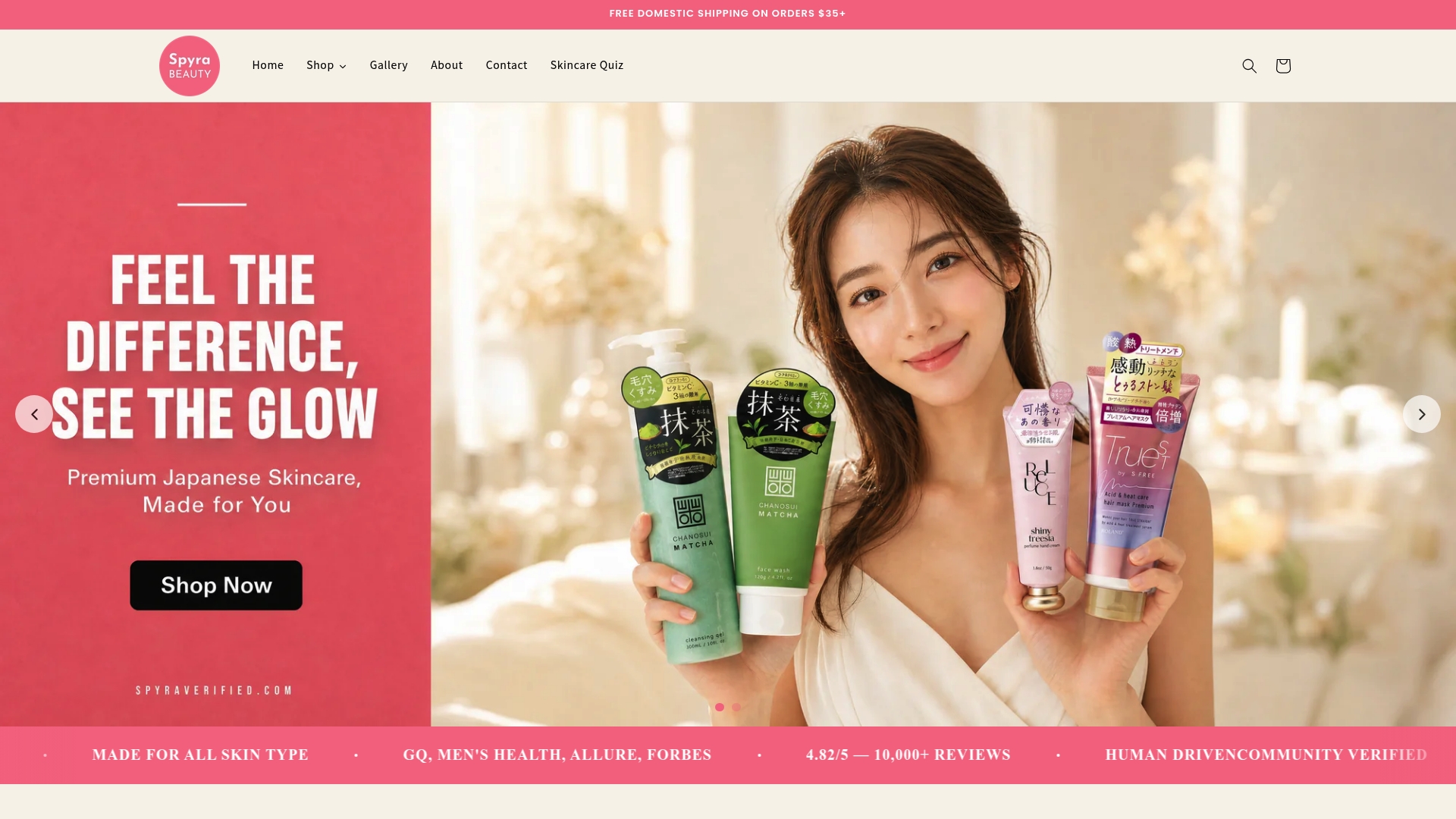
If you have been investing in vitamin C treatments, retinol serums, or peptide formulas, the packaging those products arrive in directly affects what you get from them. Spyraverified selects products where the delivery system matches the quality of the formula inside. Browsing the collection is a practical way to find skincare that performs the way it was designed to, from the first press to the last.
FAQ
What is airless packaging in skincare?
Airless packaging is a vacuum-sealed dispensing system that uses a rising piston to deliver product without drawing air into the container. This protects oxidation-prone ingredients like vitamin C and retinol from degrading during use.
How does airless packaging prevent ingredient degradation?
The sealed piston mechanism eliminates air contact with the formula, stopping the oxidation process that breaks down actives like retinol and ascorbic acid. Traditional packaging allows air in with every pump, accelerating degradation within three months of first use.
Is airless packaging worth the higher price?
Airless packaging delivers up to 99% product evacuation and preserves ingredient potency throughout the bottle’s life. The reduction in wasted product and the extended efficacy of expensive actives make the format cost-effective over time.
Can airless bottles be recycled?
Multi-component airless bottles are more difficult to recycle than single-material containers. Look for products with cyclos-HTP certification or brands that offer refillable airless cartridge systems to reduce environmental impact.
What skincare ingredients benefit most from airless packaging?
Vitamin C, retinol, resveratrol, and peptides benefit most because they are highly sensitive to air and microbial contamination. Airless containers keep these ingredients stable and potent from the first application to the last.
