


Fermented Skincare: Benefits, Ingredients, and How It Works
Fermented skincare uses beneficial microorganisms — bacteria, yeasts, and fungi — to break down raw ingredients into smaller, more bioactive compounds that your skin can actually absorb and use. The result is a category of products built around postbiotics: the functional byproducts of fermentation, including peptides, amino acids, enzymes, and organic acids. These compounds work at a molecular level to support the skin barrier, regulate pH, and calm inflammation in ways that unfermented versions of the same ingredients often cannot match.
Here is what fermented skincare delivers at its core:
- Postbiotics like peptides and amino acids that reinforce the skin barrier and signal repair
- Smaller molecular compounds that penetrate deeper than their raw, unfermented counterparts
- Microbiome-balancing activity that keeps harmful bacteria in check while supporting beneficial flora
- pH regulation through organic acids like lactic acid, which maintain the skin’s natural acidity
- Antioxidant-rich metabolites produced during the fermentation process that protect against oxidative stress
This is not a passing trend. The science behind fermented cosmetics has been building steadily, with peer-reviewed research confirming that fermented raw materials show measurable improvements in biological activity compared to their non-fermented forms.
Table of Contents
- What is fermented skincare, and how does fermentation actually work?
- What skin benefits does fermented skincare actually deliver?
- Which fermented ingredients show up most often in products?
- How do you use fermented skincare products effectively?
- How fermentation boosts ingredient potency — what dermatologists and researchers say
- Spyraverified brings you the best of Asian fermented skincare
- Key Takeaways
What is fermented skincare, and how does fermentation actually work?
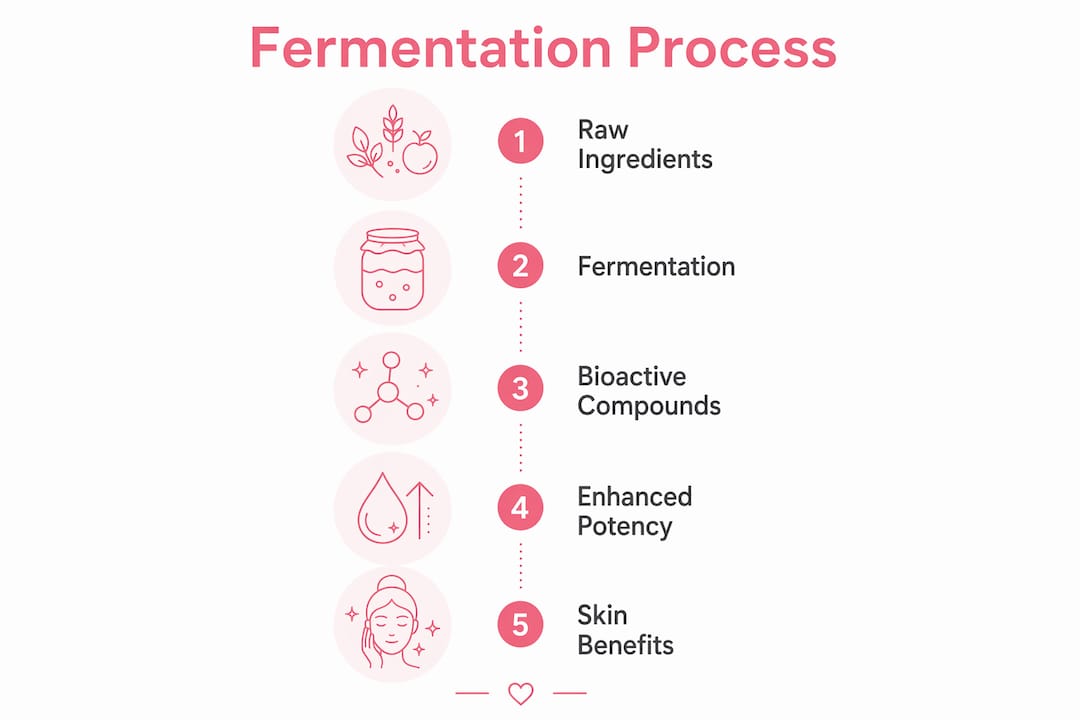
Fermentation in skincare follows the same biological principle as fermentation in food: microorganisms consume and metabolize a substrate, producing new compounds in the process. In a cosmetic context, the substrate is usually a plant extract, grain, or yeast material, and the microorganisms are carefully selected strains of bacteria, yeasts, or fungi.
The process works in stages:
- Substrate preparation: Raw ingredients like rice, soy, green tea, or hyaluronic acid are introduced into a controlled fermentation environment
- Microbial inoculation: Specific strains, such as Lactobacillus bacteria or Saccharomyces yeast, are added to begin metabolizing the substrate
- Metabolite production: As microbes break down the material, they generate bioactive byproducts including organic acids, vitamins, enzymes, and short-chain peptides
- Filtration and formulation: The fermented extract is filtered, stabilized, and incorporated into the final product
A useful way to think about it: fermentation acts as a form of pre-digestion for actives, transforming complex molecules into forms the skin can recognize and absorb far more readily. A large hyaluronic acid molecule, for instance, sits mostly on the skin’s surface. Fermented hyaluronic acid, broken into smaller fragments, can penetrate significantly deeper.
The timeline varies by formula. Some fermentation cycles run for days; traditional Korean and Japanese ferments, like those derived from sake lees or fermented rice water, can involve processes spanning weeks or months.
Pro Tip: When reading ingredient labels, look for terms like “ferment filtrate” or “fermented extract” after the ingredient name. “Galactomyces ferment filtrate” or “Saccharomyces ferment filtrate” are the most common signals that a product contains true fermented actives.
What skin benefits does fermented skincare actually deliver?
The benefits are not theoretical. Research published in peer-reviewed journals supports several specific mechanisms through which fermented ingredients improve skin health.
- Stronger skin barrier: Postbiotics from fermentation balance the skin microbiome and optimize barrier function, reducing transepidermal water loss and improving resilience against environmental stressors
- Better ingredient absorption: Fermentation shrinks large molecules into smaller ones, enhancing penetration and efficacy across the board
- pH regulation: Byproducts like lactic acid and amino acids maintain skin-friendly acidity, which is critical for barrier repair and suppressing harmful bacteria
- Reduced inflammation and sensitivity: Postbiotics modulate the skin’s inflammatory response, making fermented products particularly useful for reactive or sensitized skin types
- Antioxidant protection: Fermentation produces vitamin-, mineral-, and antioxidant-rich bioactive compounds that boost ingredient effectiveness beyond what the raw form provides
- Microbiome support: Regular use of fermented products can help maintain a diverse, balanced skin microbiome, which correlates with reduced acne, fewer flare-ups, and more even skin tone
One point worth highlighting: the barrier and microbiome benefits are interconnected. A skin barrier that functions well keeps irritants out and moisture in. A balanced microbiome supports that barrier. Fermented skincare addresses both simultaneously, which is why dermatologists increasingly recommend it for conditions like eczema-prone or chronically dry skin.
For readers curious about how prebiotics and postbiotics work together in this context, the role of prebiotics in skincare is worth understanding alongside fermented formulas.

Which fermented ingredients show up most often in products?
Not all fermented ingredients are created equal. A handful of well-researched ferments appear consistently across high-performing products, each with a distinct skin benefit profile.
- Galactomyces ferment filtrate: Derived from the yeast used in sake production, this is one of the most studied fermented ingredients in K-beauty and J-beauty. It delivers niacinamide-like brightening effects, reduces sebum, and supports barrier repair. You will find it prominently in products targeting uneven skin tone and enlarged pores.
- Saccharomyces ferment filtrate: A brewer’s yeast derivative rich in beta-glucans, amino acids, and B vitamins. It strengthens the barrier, provides antioxidant protection, and has a calming effect on inflamed skin.
- Bifida ferment lysate: Produced from Bifidobacterium, a probiotic strain naturally found in healthy skin. Research suggests it helps restore the skin’s natural defense mechanisms and reduces sensitivity, making it a staple in products for compromised or reactive skin.
- Lactobacillus ferment: One of the most versatile fermented ingredients, Lactobacillus produces lactic acid and peptides during fermentation. The result is gentle exfoliation, improved hydration, and a more even texture over time.
- Fermented hyaluronic acid: Standard hyaluronic acid molecules are too large to penetrate beyond the skin’s surface. The fermented form breaks into low-molecular-weight fragments that reach deeper layers, delivering hydration where it actually counts.
- Fermented rice extract: A traditional ingredient in Japanese skincare, fermented rice water contains ferulic acid, kojic acid, and amino acids that brighten, protect against UV-induced damage, and improve elasticity.
Popular fermented ingredients like these deliver hydration, anti-aging, and soothing benefits that have made them staples in modern Asian beauty formulations. The key is knowing which ferment targets your specific concern, rather than assuming all fermented products work the same way.
How do you use fermented skincare products effectively?
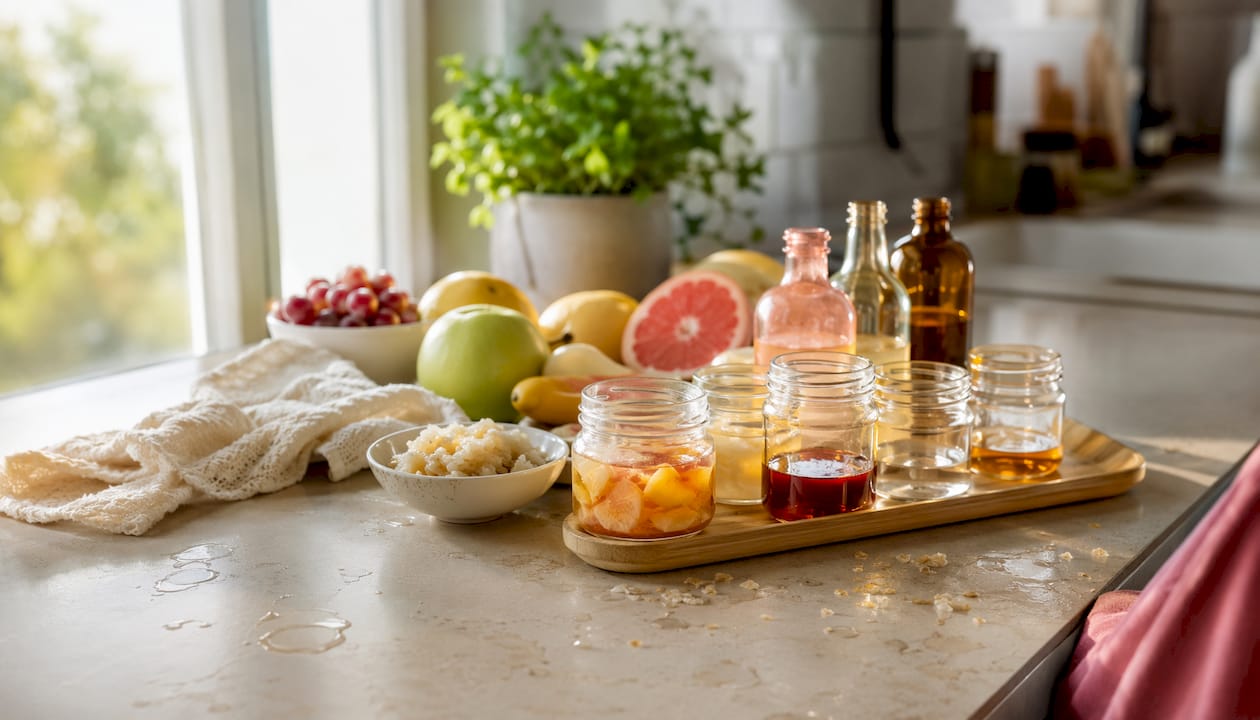
Fermented skincare products span every step of a routine: cleansers, toners, essences, serums, moisturizers, and even SPF formulas now incorporate fermented actives. The format matters because it determines where in your routine the product belongs and how you layer it.
Common fermented product types:
- Fermented essences and toners: Applied after cleansing on damp skin, these are the most popular entry point. They prep the skin for subsequent steps and deliver a concentrated dose of postbiotics before heavier products.
- Fermented serums: Higher concentration of active ferments, typically used after essence and before moisturizer. Best for targeting specific concerns like hyperpigmentation, fine lines, or barrier damage.
- Fermented moisturizers: Provide occlusion while delivering fermented actives. Particularly effective for dry or sensitized skin that needs barrier support alongside hydration.
- Fermented cleansers: A gentler introduction to fermented skincare. The contact time is short, so the active benefit is modest, but they are a good starting point for sensitive skin.
Practical usage tips:
- Introduce one fermented product at a time. Introducing multiple fermented products simultaneously with other actives can trigger irritation; a gradual approach lets your skin’s microbiome adjust without disruption.
- Apply fermented essences and toners to slightly damp skin to maximize absorption.
- Avoid layering fermented products directly with strong acids (AHAs, BHAs) in the same step. The pH interaction can reduce efficacy or cause sensitivity.
- Store fermented products away from heat and direct sunlight. Bio-active fermented ingredients degrade prematurely when exposed to light and heat; a cool, dark cabinet works well, and refrigeration is an option for serums you use slowly.
- If you have fungal acne or a known yeast sensitivity, patch test fermented products before committing to full use. Yeast-based ferments can exacerbate Malassezia folliculitis in susceptible individuals.
For a step-by-step approach to safely introducing new products, the guide on testing Asian skincare products covers patch testing and gradual layering in detail.
Pro Tip: Try essence flooding: apply three to five thin layers of a fermented essence on damp skin, pressing each layer in gently before adding the next. This K-beauty technique builds hydration without heaviness and maximizes postbiotic delivery to the barrier. It works especially well with galactomyces or bifida-based essences.
How fermentation boosts ingredient potency — what dermatologists and researchers say
The scientific case for fermented skincare rests on two mechanisms that dermatologists return to consistently: molecular size reduction and bioactive compound generation.
On the first point: fermentation functions as a kind of biological pre-processing. Large, complex molecules that the skin cannot efficiently absorb are broken down into fragments small enough to pass through the stratum corneum. Fermented hyaluronic acid penetrating up to 10 times deeper than standard HA is the clearest example, but the same principle applies to plant polyphenols, proteins, and starches. The skin does not have to work to break these down because the fermentation process already did it.
On the second point: fermentation does not just reduce molecular size. It actively generates new compounds that were not present in the original ingredient. These include:
- Short-chain peptides that signal collagen synthesis and repair
- Organic acids (lactic, citric) that regulate pH and provide gentle chemical exfoliation
- B vitamins and minerals concentrated through microbial metabolism
- Antioxidant metabolites that neutralize free radicals more effectively than the raw plant extract
Research published in PMC confirms that fermented raw materials demonstrate measurably higher biological activity than their non-fermented counterparts, a finding that aligns with what formulators and dermatologists observe in clinical practice.
For sensitive skin, the picture is more nuanced. Fermented products are generally well-tolerated because the fermentation process can reduce the allergenicity of raw ingredients. But yeast-derived ferments specifically carry a risk for anyone prone to fungal acne. The advice from dermatologists is consistent: patch test first, introduce slowly, and avoid stacking multiple new fermented products in the same week. If you are also using retinol or other potent actives, the guidance on Japanese retinol alternatives for sensitive skin is worth reading before you layer.
Sonophoresis, a technique that uses ultrasound to drive actives deeper into the skin, pairs particularly well with fermented ingredients because the smaller molecular size of fermented actives means even greater penetration under ultrasound-assisted delivery. It is a niche combination, but one that skincare researchers are paying attention to.
Pro Tip: If you are new to fermented skincare and have reactive skin, start with a bifida ferment lysate product rather than a galactomyces or saccharomyces formula. Bifida is the most skin-identical of the major ferments and the least likely to trigger a response while your microbiome adjusts.
Spyraverified brings you the best of Asian fermented skincare
Fermented skincare is where Asian beauty has always led. The techniques behind galactomyces essences, fermented rice serums, and bifida-based barrier creams were developed and refined in Japan and Korea long before the rest of the world caught on. Getting access to the real formulations, not watered-down Western adaptations, is a different challenge entirely.
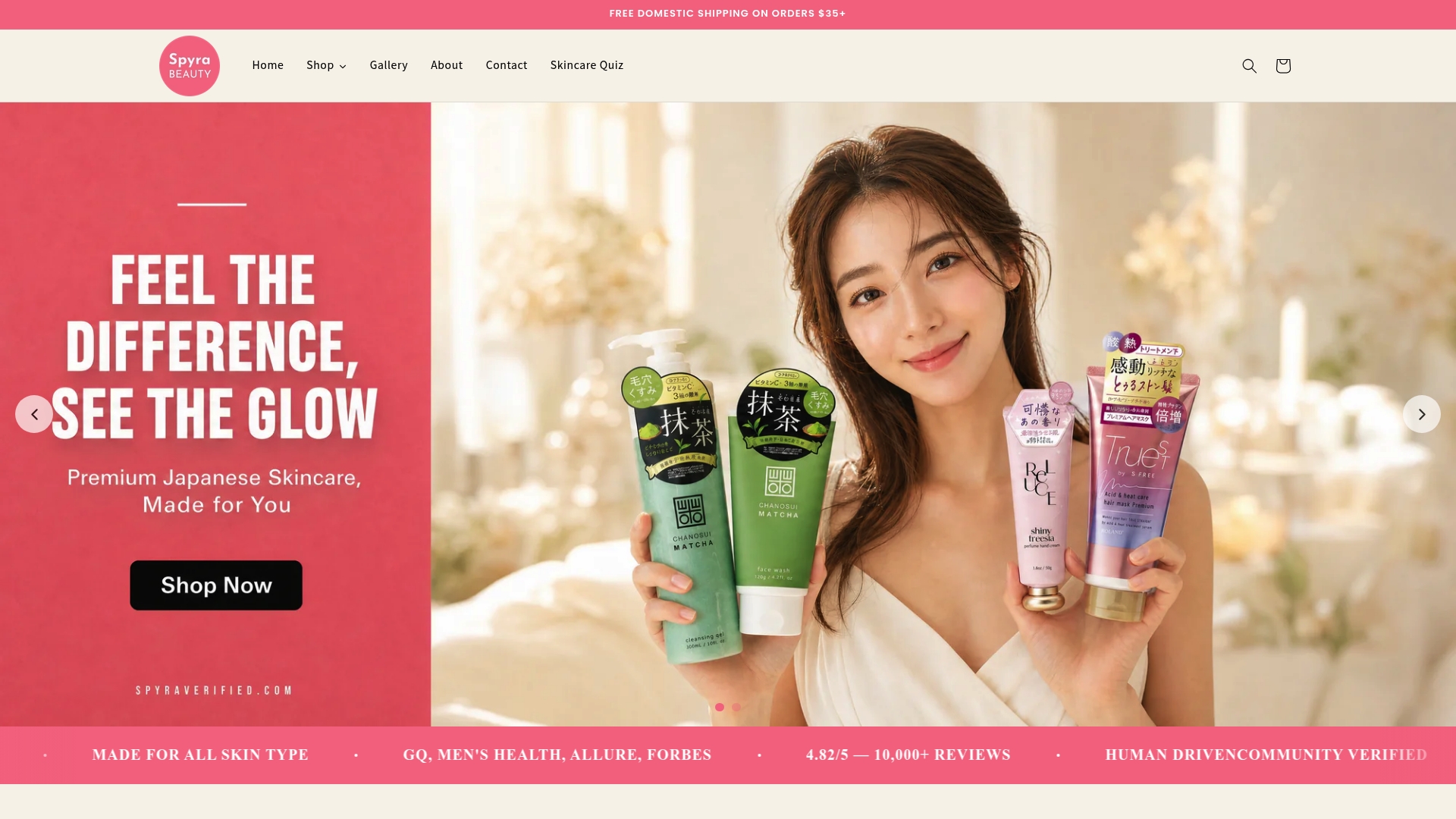
Spyraverified sources directly from Japanese and Asian brand owners, which means you get authentic fermented formulas with the ingredient concentrations and fermentation methods that actually produce results. No substitutions, no reformulations for a different market. The best-selling fermented products on Spyraverified include galactomyces essences, bifida serums, and fermented hyaluronic acid moisturizers that are genuinely difficult to find outside their home markets. If you have spent time reading about what fermented skincare can do and want to try the products that built that reputation, Spyraverified is where to start.
Key Takeaways
Fermented skincare works because microorganisms transform raw ingredients into smaller, more bioactive compounds that penetrate deeper, regulate the skin’s pH, and support the barrier in ways unfermented versions cannot replicate.
| Point | Details |
|---|---|
| Fermentation shrinks molecules | Fermented hyaluronic acid penetrates significantly deeper than standard HA, improving real-world hydration. |
| Postbiotics drive the benefits | Peptides, amino acids, and organic acids produced during fermentation strengthen the barrier and reduce inflammation. |
| Key ingredients to look for | Galactomyces, saccharomyces, bifida, and lactobacillus ferments each target specific concerns from brightening to barrier repair. |
| Introduce products gradually | Adding multiple fermented actives at once can cause irritation; one product at a time lets your microbiome adjust. |
| Spyraverified for authentic formulas | Spyraverified sources directly from Japanese and Asian brands, offering fermented products with original concentrations and methods. |
