

5 Key Differences: Toner vs Essence in Korean Beauty Hydration
Toners prep skin, remove leftover cleanser residue, and rebalance pH, with some formulas adding light exfoliation or a hit of hydration. Essences work differently: they’re concentrated hydrators built to deliver actives and boost how well your serum or moisturizer sinks in. Plenty of products blur that line now, so the real choice comes down to what your skin needs most, exfoliation and pore control, or deeper hydration and better absorption.
TL;DR:
- Most toners improve skin prep by removing residue and balancing pH, with exfoliating formulas containing acids for oily or acne-prone skin.
- Essences are concentrated hydrators that enhance absorption, containing humectants and actives like peptides, suitable for dehydrated, dull, or aging skin.
- The main difference lies in purpose and concentration: toners focus on cleansing and pore control, while essences deliver targeted hydration and boost subsequent product efficacy.
- Applying toner with a cotton pad and essence with press-and-pat method optimizes effectiveness, with order typically being cleanse, toner, essence, serum, and moisturizer.
- The lines between toners and essences blur as many products now combine functions; choosing depends on primary skin concerns rather than product labels.
Table of Contents
- Toner vs. Essence: What Is a Toner, Really?
- Toner vs. Essence: What Is an Essence For?
- Toner or Essence First? Key Differences That Actually Matter
- How to Use Toner and Essence in Your Routine
- Should I Use Toner or Essence Based on Skin Type?
- Why the Line Between Toner and Essence Keeps Blurring
- Simplify Before You Add More Steps
- Find Authentic Toners and Essences Through Spyraverified
- Sources
Toner vs. Essence: What Is a Toner, Really?
A toner’s job is cleanup and prep. It sweeps away the last traces of cleanser, resets your skin’s pH after washing, and gets everything ready for whatever comes next. Some toners go further and lightly exfoliate. Others are purely hydrating, closer to a lightweight lotion than the harsh, alcohol-heavy “astringent” toners of the 1990s.
Texture and application method go hand in hand. Exfoliating and cleansing toners usually get swiped on with a cotton pad to lift away residue, while hydrating, milky toners are often poured into palms and pressed in instead, according to Allure.
Ingredients tell you which camp a toner falls into:
- Humectants like glycerin and hyaluronic acid signal a hydrating toner, good for most skin types.
- AHAs or BHAs (glycolic, lactic, salicylic acid) mean it’s an exfoliating toner, better suited to oily or acne-prone skin.
- Witch hazel shows up in oil-control formulas aimed at shine and enlarged pores.
- Denatured alcohol is worth skipping if you’re dry or reactive. It can strip more than it balances.
Dermatologists point out that toners prep and rebalance skin, while essences take on the heavier hydration work, a distinction worth keeping in mind as you shop toner and essence formulas.
Toner vs. Essence: What Is an Essence For?
An essence is a hydration-first step built to load skin with moisture and deliver targeted actives, not just prep it. Where a toner cleans up, an essence adds. Most formulas lean on humectants plus something more specific: niacinamide for tone, peptides for firmness, or fermented filtrates for barrier support.
Texture ranges from watery to slightly viscous, but almost never thick. You apply it by hand, pressing and patting it into skin rather than swiping with a cotton pad, since the goal is full absorption, not removal, according to Byrdie.
What makes essences distinct is their effect on everything applied after them. A well formulated essence primes skin so your next serum or moisturizer performs better, a hallmark of Korean skincare layering.
Skin types that benefit most from an essence:
- Dehydrated skin that feels tight or flaky despite moisturizing.
- Dull or uneven-textured skin looking for a radiance boost.
- Early signs of aging, where peptides and antioxidants matter most.
- Anyone using strong actives (retinoids, exfoliating acids) who wants a hydration buffer first.
Fermented filtrates like Pitera or galactomyces show up often in essence marketing, but they’re not mandatory for results. Humectants and peptides usually do the heavy lifting, according to Byrdie.
Toner or Essence First? Key Differences That Actually Matter
Here’s the difference between toner and essence broken down by what actually changes your routine:
- Purpose. Toner preps, cleans, and balances. Essence hydrates and delivers actives.
- Concentration. Toners are typically lighter, thinner formulas. Essences run more concentrated, packing in humectants and treatment ingredients at higher levels.
- Actives. Toners often carry AHAs/BHAs or witch hazel. Essences lean on niacinamide, peptides, or ferments.
- Application. Cotton pad for exfoliating or cleansing toners; press-and-pat by hand for hydrating toners and essences.
- Order. Toner goes right after cleansing; essence follows before serum.
The overlap is real. Cosmetic chemists note that a hydrating toner and a lightweight essence can share nearly identical ingredient lists, which means the line often comes down to marketing and texture preference more than strict function, per the Strategist.
Use this as your shortcut:
- Want pore control or gentle exfoliation? Reach for a toner.
- Want deeper hydration and better absorption for what follows? Reach for an essence.
- Want both benefits without adding a step? A hydrating toner may cover it.
How to Use Toner and Essence in Your Routine
The standard order is cleanse, toner, essence, serum, moisturizer. Mist-format toners and leave-on exfoliants are the main exceptions, since those can sometimes shift earlier or later depending on the formula.
- Cleanse first to remove makeup, sunscreen, and daily buildup.
- Apply toner. Use a cotton pad for exfoliating or cleansing formulas; pour into palms and press in for hydrating, milky versions.
- Wait a few seconds, not minutes, before layering essence. You want the toner absorbed, not diluted.
- Apply essence by pressing it into skin with warm hands rather than rubbing.
- Follow with serum, then moisturizer, giving each step a moment to settle.
Don’t stack multiple exfoliating actives in the same routine (a BHA toner plus a glycolic serum, for example) without checking your skin’s tolerance first, and always patch test a new active before working it in nightly.
Pro Tip: Warm your hands slightly before pressing in essence. The warmth helps the formula spread evenly and absorb faster, a small trick that makes a noticeably bigger difference than most people expect.
Should I Use Toner or Essence Based on Skin Type?
Your skin type and main concern should decide this, not whichever product looks trendier online.
- Oily or acne-prone skin: an exfoliating toner with salicylic acid handles oil and congestion well. Skip heavy essences unless they’re labeled non-comedogenic.
- Dry or dehydrated skin: a milky, hydrating toner or a humectant-rich essence with ceramide-supporting ingredients works best. This is where essence for skin hydration earns its reputation.
- Sensitive skin: stick to alcohol-free hydrating toners or gentle essences with centella asiatica or green tea, and patch test any new active before full use.
- Aging or dull skin: essences with peptides, fermented filtrates, or niacinamide target texture and radiance more directly than most toners can.
If your toner already hydrates as well as an essence would, you likely don’t need both. The Strategist’s reporting on formulation overlap backs this up: match the product to your primary goal, whether that’s clarity or hydration, and let that decide your step count rather than chasing a full seven-step routine out of habit.
Why the Line Between Toner and Essence Keeps Blurring
The expert consensus is straightforward: the real difference is formulation intent, not a strict rulebook. Toners generally aim to prep, clean, or exfoliate, while essences prioritize hydration and active delivery, a distinction cosmetic chemists and dermatologists keep coming back to in the Strategist’s reporting.
Many modern hydrating toners are formulated so closely to essences that the two categories have effectively merged for a large share of products on shelves today.
That merger is exactly why ingredient labels matter more than product names. A “toner” loaded with hyaluronic acid and glycerin can outperform a thin, marketing-driven “essence” on actual hydration. Spyraverified’s own breakdown of essence benefits goes deeper into how to read those labels if you want the full picture beyond what fits here.
Simplify Before You Add More Steps
If I had to give one piece of advice, it’s this: pick based on your biggest skin concern, not the marketing copy on the bottle. A minimal routine, hydrating toner or essence, one targeted serum, moisturizer, covers most people’s real needs. Read the ingredient list before the packaging, and patch test anything new for a few days before committing.
— Anni
Find Authentic Toners and Essences Through Spyraverified
Reliable alternatives to guessing your way through overseas skincare sites are available: toner and essence products that are sourced directly from partnered manufacturers and checked through community-based verification before they reach shelves. That matters in a category where formulation nuance, hydrating toner versus essence, exfoliating versus soothing, is easy to misread from a product photo alone.
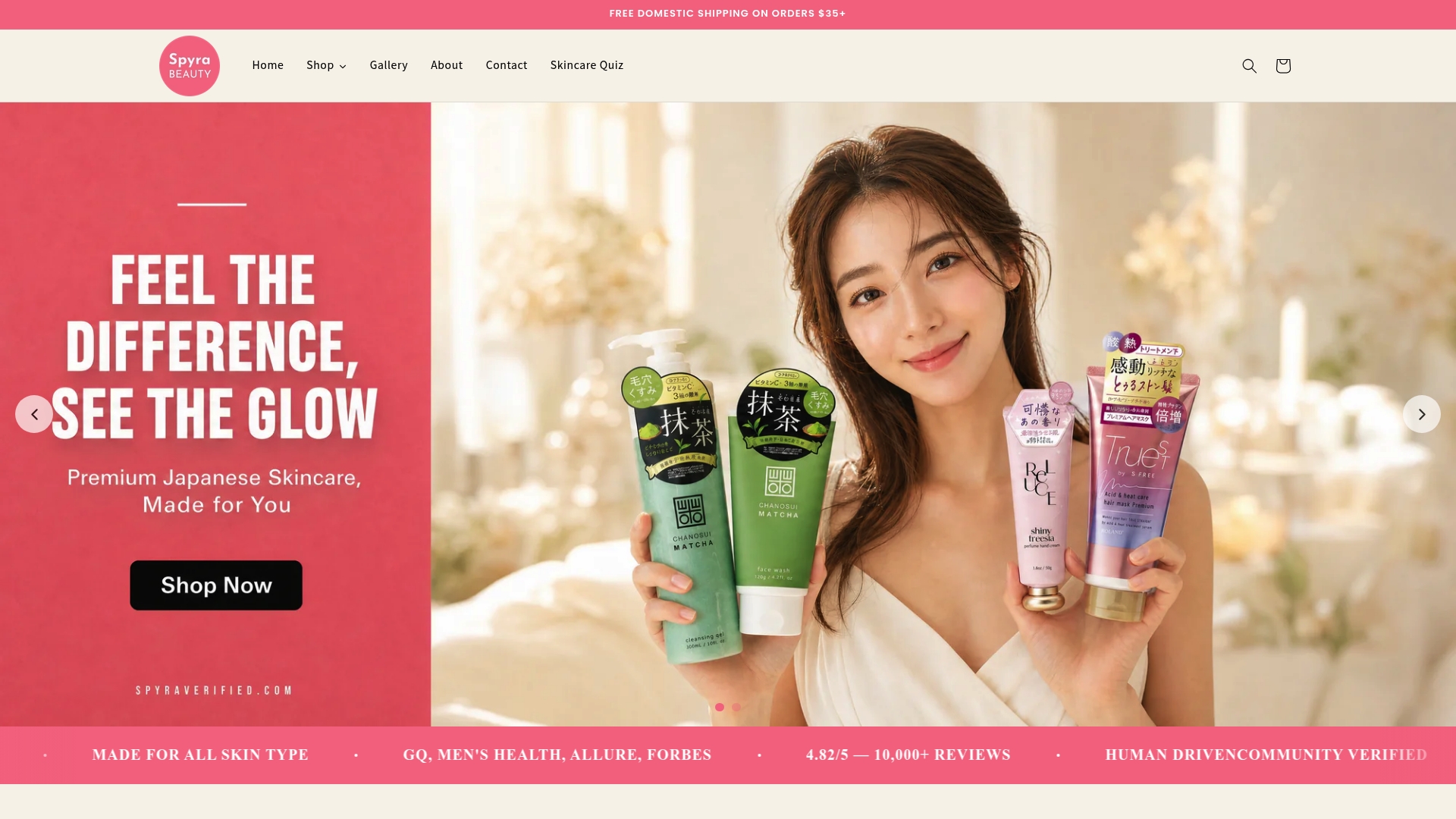
Instead of piecing together a routine from mismatched retailers, you can browse a single curated selection built around authenticity and skin-type fit.
- Browse the full skincare collection to compare hydrating toners and essences side by side and find the formula that matches your skin goals right now.
Sources
- Toner Vs. Essence: Dermatologists Share Difference Between the Two
- What’s the Difference Between Toners and Essences? | The Strategist
- Toner vs. Essence: We Break Down the Differences
- Toner vs. Essence vs. Astringent: How to Choose for Your Skin — Expert Insight | Allure
