

Japanese Retinol Alternatives: A Sensitive Skin Guide
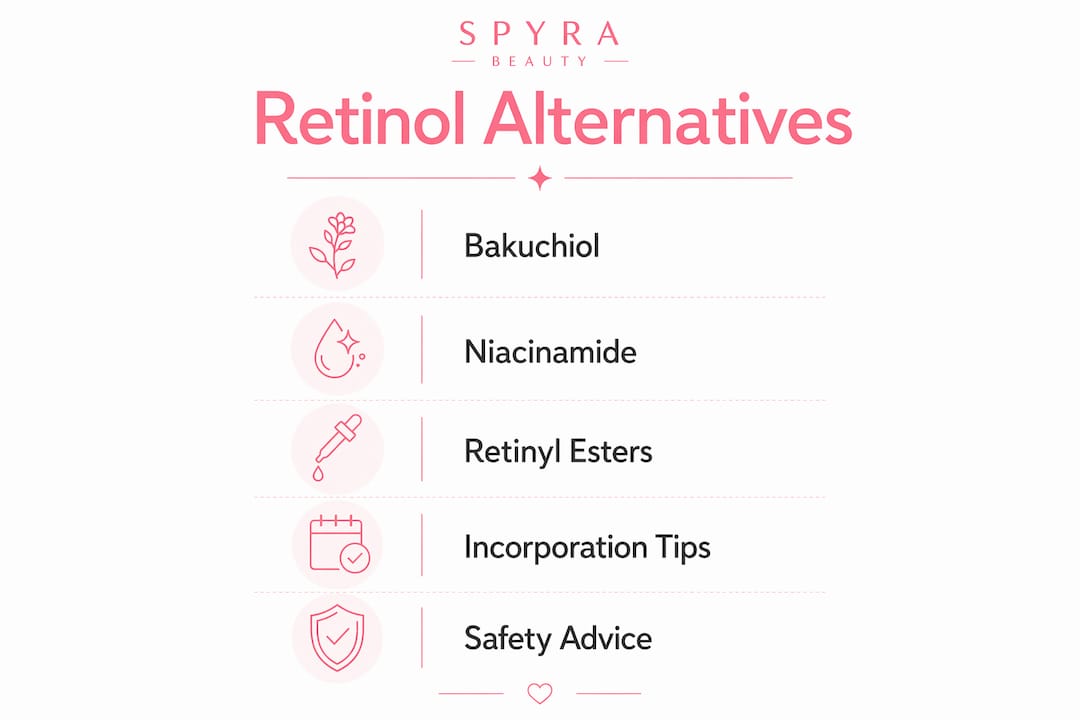
Japanese retinol alternatives are plant-based and synthetic compounds that deliver anti-aging results without the irritation traditional retinoic acid causes. The standard industry term for this category is “retinol substitutes,” and this choose Japanese retinol alternative guide covers the four most clinically supported options: bakuchiol, niacinamide, retinyl esters, and POLA’s NEI-L1 enzyme blocker. Bakuchiol at 0.5–1% concentration improves collagen and reduces fine lines with no photosensitivity. That single fact makes it the most practical starting point for anyone with reactive skin.
What are the main Japanese retinol alternatives and how do they work?
Japanese skincare alternatives to retinol work through four distinct pathways. Each one targets collagen production or wrinkle formation differently, and each carries a different irritation profile.
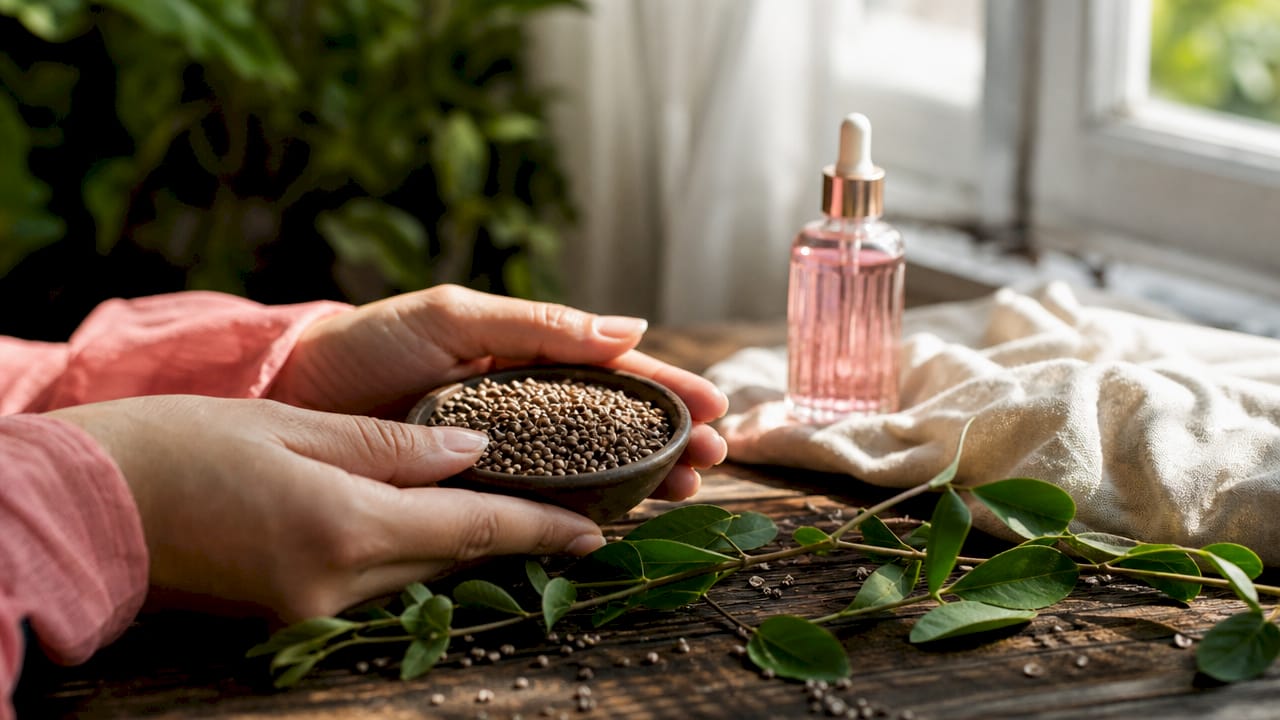
Bakuchiol is extracted from the seeds of the Psoralea corylifolia plant. Clinical evidence confirms that 0.5–1% bakuchiol serums used nightly improve collagen synthesis and reduce fine lines with minimal irritation and zero photosensitivity. That means you can apply it in the morning without reaching for extra sun protection beyond your regular SPF.
Niacinamide (vitamin B3) works differently. It does not stimulate collagen directly. Instead, it inhibits melanin transfer, strengthens the skin barrier, and reduces redness. Japanese brands use niacinamide at concentrations of 2–5% alongside ceramides and soy isoflavones, which is why their formulas feel calming rather than active.
Retinyl esters (retinyl palmitate, retinyl acetate) are the gentlest form of vitamin A. They undergo a slow biological conversion before reaching the skin’s retinoic acid receptors. Retinyl esters are 50–70% less irritating than direct retinoic acid. That conversion lag is a feature, not a flaw. It makes retinyl esters the right entry point for people who have never used a vitamin A product.
POLA’s NEI-L1 enzyme blocker represents a uniquely Japanese approach. Rather than stimulating new collagen, it blocks the enzyme that breaks down existing collagen. Japanese brands use this non-retinol pathway alongside lower retinol concentrations to reduce the dropout rates caused by irritation. The result is a formula that works with your skin rather than forcing rapid cell turnover.
| Ingredient | Mechanism | Irritation level | Safe in pregnancy |
|---|---|---|---|
| Bakuchiol | Collagen stimulation | Very low | Yes |
| Niacinamide | Barrier support, melanin inhibition | Very low | Yes |
| Retinyl esters | Slow vitamin A conversion | Low | Generally yes (consult doctor) |
| POLA NEI-L1 blocker | Collagen preservation | Very low | Not fully established |
- Bakuchiol does not increase sun sensitivity, unlike traditional retinol.
- Niacinamide pairs well with every other active in this list.
- Retinyl esters suit first-time users of vitamin A products.
- NEI-L1 technology is currently found mainly in Japanese prestige brands.
Pro Tip: If you are new to retinol substitutes, start with a bakuchiol serum three nights per week before adding any other active. Your skin needs time to show you what it can tolerate.
How does Japanese skincare philosophy shape retinol alternative formulas?
Japanese anti-aging skincare follows a preventive and supportive philosophy rather than an aggressive one. Dr. Turegano notes that this method slows visible aging without harsh acids or forcing cell turnover. The practical result is formulas built around marine extracts, rice bran, fermented botanicals, and ceramides that protect the skin barrier while actives do their work.
This philosophy has a direct effect on concentration levels. Japanese products typically use lower doses of retinol derivatives and pair them with hydrating and soothing ingredients. Lower-concentration formulas with supporting ingredients produce better long-term results than high-strength Western retinol. The reason is simple: a formula you can use every night outperforms a formula you abandon after two weeks of peeling.
Regulatory norms reinforce this approach. Japan’s quasi-drug classification requires government-backed proof that a product improves wrinkles. Yet Japanese anti-aging products are often labeled as moisturizing or skin-conditioning rather than as retinol treatments. This reflects a cultural preference for understated marketing and a genuine focus on barrier health as the foundation of good skin.
“Consistent use of well-tolerated low-strength formulas is more effective long term than irregular use of high-strength retinol.” — Japanese anti-aging skincare research
Key ingredients that define this philosophy in practice:
- Fermented rice bran delivers ferulic acid and antioxidants that protect against oxidative aging.
- Marine collagen extracts support skin elasticity without triggering inflammation.
- Ceramides repair the lipid barrier, which retinol derivatives can temporarily weaken.
- Soy isoflavones mimic estrogen’s skin-plumping effect and work synergistically with niacinamide.
For a deeper look at how these ingredients fit into a full routine, Spyraverified’s guide to Japanese anti-aging ingredients covers ten proven picks with usage context.
How to choose and safely incorporate Japanese retinol alternatives
Choosing the right retinol substitute starts with an honest assessment of your skin type. Dry and sensitive skin benefits most from bakuchiol or retinyl esters paired with ceramide-rich moisturizers. Oily or combination skin tolerates niacinamide at higher concentrations and can layer it with lightweight gel textures.
Follow these steps when building your routine:
- Patch test first. Apply a small amount of your chosen product to the inside of your wrist or behind your ear for 48 hours. No reaction means you are clear to proceed.
- Start two to three nights per week. Your skin needs time to adjust even to gentle actives. Increase frequency only after two weeks of no irritation.
- Layer thinnest to thickest. Apply your bakuchiol or niacinamide serum after cleansing and toning, then seal with a moisturizer. Japanese layering rules follow this texture sequence to avoid barrier disruption.
- Add SPF every morning without exception. Even bakuchiol, which does not cause photosensitivity, is paired with daily sun protection in Japanese beauty regimens. Spyraverified’s guide to choosing Japanese sunscreen helps you match SPF to your skin type.
- Space out potent actives. Mixing strong retinol with acids or vitamin C without spacing causes irritation. Alternate nights: retinol substitute on Monday, Wednesday, Friday; vitamin C or AHA on Tuesday, Thursday.
Pro Tip: Pregnant or breastfeeding? Medical consensus supports bakuchiol as a safe substitute during this period, unlike synthetic retinoids. Pair it with a fragrance-free ceramide moisturizer for maximum comfort.
Ingredient conflicts to avoid: retinyl esters with high-strength AHAs (lactic, glycolic) on the same night; niacinamide with pure vitamin C at high concentrations (use a stable vitamin C derivative like ascorbyl glucoside instead); and any retinol derivative with benzoyl peroxide, which oxidizes and deactivates it.
What product types and formats work best for different needs?
Japanese retinol alternatives come in several formats, and the right one depends on your skin concern and experience level.
Serums deliver the highest concentration of actives and absorb quickly. Bakuchiol serums at 0.5–1% are the best starting point for most people. They suit all skin types and work well under moisturizer.
Creams and emulsions combine actives with ceramides and humectants. These suit dry and sensitive skin because the moisturizing base reduces the chance of irritation. Retinyl ester creams fall into this category and are ideal for beginners.
Gels work well for oily skin. Niacinamide gels at 4–5% control sebum, minimize pores, and deliver anti-aging benefits without heaviness.
Facial oils containing bakuchiol or fermented botanicals suit dry and mature skin. They seal in hydration and deliver fat-soluble antioxidants that water-based serums cannot.
| Skin concern | Recommended format | Key ingredient |
|---|---|---|
| Sensitive, reactive | Cream or emulsion | Bakuchiol + ceramides |
| Oily, acne-prone | Gel or lightweight serum | Niacinamide |
| Dry, mature | Facial oil or rich cream | Retinyl esters + fermented botanicals |
| Pregnant or breastfeeding | Serum or cream | Bakuchiol |
| Beginner to vitamin A | Cream | Retinyl palmitate |
A note on quasi-drug labels: when a Japanese product carries a quasi-drug certification, the government has verified its wrinkle-improvement claim. This is a meaningful quality signal that most Western products do not carry. If you see this label, the efficacy has been tested and approved, not just marketed.
For people transitioning to Japanese skincare for the first time, starting with a single bakuchiol serum and a ceramide moisturizer is the most reliable path to results without setbacks.
Key Takeaways
Bakuchiol, niacinamide, and retinyl esters are the most effective Japanese retinol alternatives for sensitive skin, and consistent low-dose use outperforms high-strength retinol used intermittently.
| Point | Details |
|---|---|
| Bakuchiol leads the category | Use 0.5–1% nightly for collagen support with no photosensitivity or irritation. |
| Japanese philosophy favors prevention | Lower concentrations paired with ceramides and botanicals produce better long-term tolerance. |
| Retinyl esters suit beginners | Their slow conversion makes them 50–70% less irritating than direct retinoic acid. |
| Layering order matters | Apply thinnest to thickest and alternate potent actives on separate nights. |
| Quasi-drug labels signal real efficacy | Government-verified wrinkle claims on Japanese products are a reliable quality marker. |
What I have learned from years of watching Japanese skincare work quietly
The most common mistake I see is impatience. People switch to a Japanese retinol alternative, use it for three weeks, feel nothing dramatic, and reach for something stronger. That is the wrong move. The entire point of this approach is that the results build slowly and stick. Bakuchiol and niacinamide do not cause a purge or a peel. They do not announce themselves. They just work, quietly, over months.
The second mistake is over-layering. I have watched people stack a bakuchiol serum, a niacinamide toner, a retinyl ester cream, and a vitamin C ampoule in the same routine and then wonder why their skin is red. Pick one or two actives and let them do their job. The supportive ingredients, ceramides, fermented rice bran, marine extracts, are not optional extras. They are what make the actives tolerable and effective over time.
The third thing I would tell anyone starting this path: hydration is not a consolation prize. In Japanese beauty regimens, a well-hydrated barrier is the goal, not a side effect. When your barrier is intact, every active you apply works better. That is not a soft claim. It is the mechanism behind why Japanese anti-aging results hold up over decades of consistent use.
— Anni
Spyraverified’s gentle anti-aging skincare collection
Spyraverified curates Japanese and Asian beauty products built around the same principles covered here: gentle actives, barrier-first formulations, and botanicals that support long-term skin health.
The skincare collection includes serums, moisturizers, and treatment products suited for sensitive skin and those moving away from traditional retinol. Every product is selected for authenticity and formulation quality, sourced directly from manufacturers. If you want to put the bakuchiol and ceramide approach into practice without spending hours researching individual brands, this is where to start.
FAQ
What is the best Japanese retinol alternative for sensitive skin?
Bakuchiol is the best option for sensitive skin. Clinical studies confirm that 0.5–1% bakuchiol improves collagen and reduces fine lines with minimal irritation and no photosensitivity.
Can I use Japanese retinol alternatives during pregnancy?
Yes. Medical consensus supports bakuchiol as a safe retinol substitute during pregnancy and breastfeeding, unlike synthetic retinoids. Always confirm with your doctor before adding any active to your routine.
How long does it take to see results from bakuchiol or niacinamide?
Most people see visible improvement in skin texture and tone after 8–12 weeks of consistent nightly use. Japanese skincare philosophy prioritizes gradual, sustained results over rapid change.
What does a quasi-drug label mean on a Japanese skincare product?
A quasi-drug label means the Japanese government has verified the product’s wrinkle-improvement claim through clinical testing. It is a stronger efficacy signal than standard cosmetic marketing and applies to products that meet regulatory standards for active ingredient performance.
How do I avoid irritation when layering Japanese retinol alternatives?
Apply products from thinnest to thickest texture and alternate potent actives on separate nights. Mixing strong retinol with acids or vitamin C on the same night disrupts the skin barrier and causes irritation.
