

What Is Beauty Market Discovery for Asian and Japanese Beauty?
Beauty market discovery is the mix of product, platform, and content signals that let you find and trust authentic Japanese and Asian beauty products online, and the content, distribution, and verification work brands do to get found and bought in the first place. It’s not a single feature or tool. It’s a system of provenance details, platform reach, and third-party proof that determines whether a serum shows up in your feed at all, and whether you trust it enough to click “buy.”
- For you as a shopper: discovery is what surfaces authentic Korean sunscreen or Japanese cleansing oil in your search results and social feed, and gives you the ingredient lists, sourcing details, and verified-seller signals to buy with confidence instead of guessing.
- For a brand: discovery is the machine-readable content, marketplace presence, and authenticity proof that turn a product made in Seoul or Osaka into something an American shopper can actually find, trust, and check out with.
Roughly 41% of beauty and personal care sales now happen online, and platforms like Spyra Verified exist precisely because that shift rewards brands and sellers who make authenticity visible, not just claimed.
Key Takeaways
Beauty market discovery works when product content, platform presence, and verifiable sourcing all point to the same authentic answer.
| Point | Details |
|---|---|
| Check batch codes | Verify lot numbers with the brand directly before trusting an unfamiliar seller. |
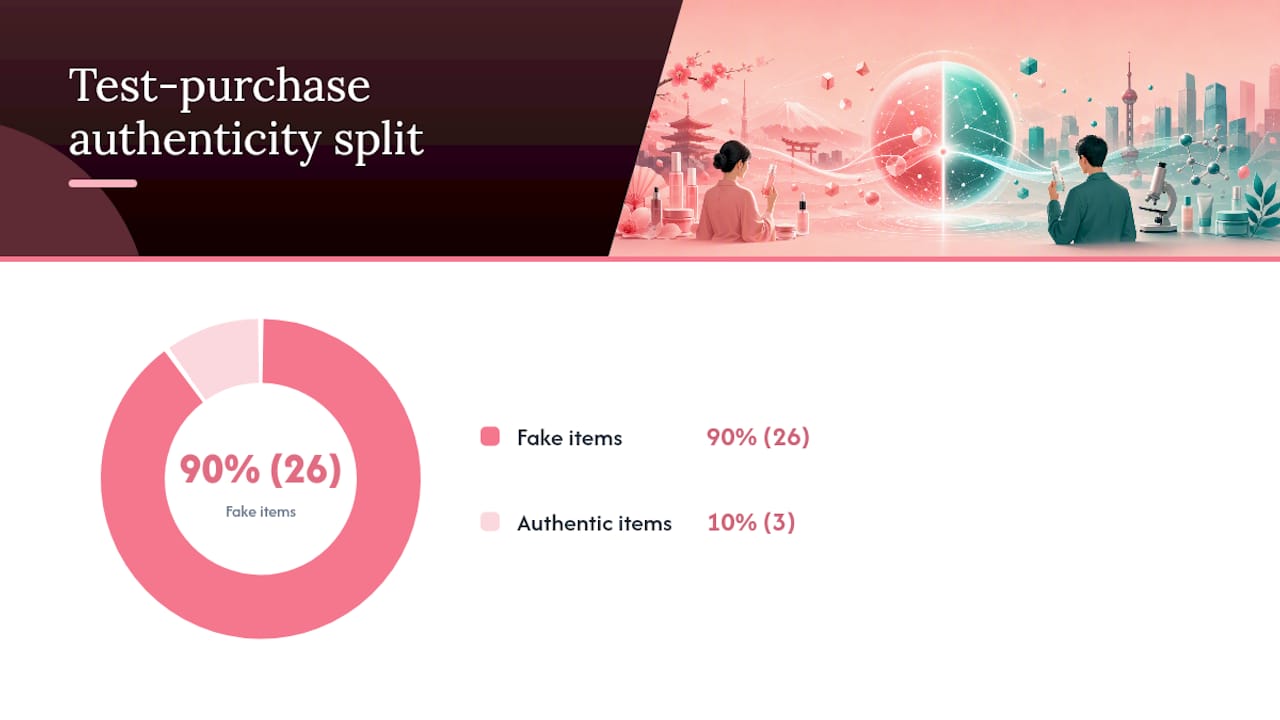
| Counterfeit risk is real | Roughly 90% of test purchases in one 2024 sample turned out to be fake K-beauty. |
| Structured data drives visibility | Machine-readable attributes now determine whether AI and search surface a product at all. |
| Provenance beats price | Region-specific storytelling and sourcing transparency build more durable brand trust than discounting. |
| Spyra Verified reduces friction | Direct manufacturer sourcing and community verification give shoppers and brands a shared trust layer. |
Table of Contents
- How Shoppers Discover and Evaluate Asian Beauty Online
- A Discovery Playbook for Brands Entering New Markets
- How Do You Spot a Counterfeit Before You Buy?
- Why Product Content and AI Now Decide What You See
- Consumer and Brand Checklists You Can Use Today
- Buy With Confidence, Get Discovered Faster
- Frequently Asked Questions
- Sources
How Shoppers Discover and Evaluate Asian Beauty Online
You’re likely finding Japanese and Korean beauty through one of six channels: brand DTC sites, curated storefronts, big marketplaces, social commerce (think TikTok Shop or Instagram checkout), community forums like Reddit’s skincare threads, or straight-up search and AI recommendations. Each comes with a different trust gap.
Marketplaces are fast but flooded with resellers of unknown origin. Social commerce moves quickly but rewards virality over verification. Curated storefronts and brand-direct sites tend to offer clearer sourcing, though you’ll pay more attention to whether they actually partner with manufacturers or just drop-ship.
A few evaluation habits close most of that gap:
- Check for packaging photos in reviews, not just the brand’s own product shots. Trustworthy reviews tend to include specific purchase dates, shipping timelines, and mixed (not uniformly glowing) feedback.
- Look for an English-language INCI ingredient list on the actual product page, not just a marketing blurb.
- Favor sellers with visible verified-badge programs or documented manufacturer partnerships over anonymous storefronts.
- For sensitive categories like sunscreen, compare texture and source-market notes directly. Buyers consistently use origin and packaging language as trust cues when a formula might be reformulated for a different market.
Pro Tip: Before you check out, search the product name plus “batch code” or “lot number.” Authentic sellers will usually let you cross-reference that code with the brand’s own site or customer service in under two minutes. If a seller can’t or won’t confirm it, that’s your answer.
A Discovery Playbook for Brands Entering New Markets
If you’re a brand manager trying to break into the American market, discovery isn’t one campaign. It’s a sequence, and skipping steps costs you visibility later.
- Nail product content first. Every listing needs machine-readable attributes, honest ingredient storytelling, and localized copy before you spend a dollar on ads.
- Onboard trusted marketplaces and curated storefronts. A partner like Spyra Verified, which sources directly from manufacturers, gets your product in front of shoppers who already trust the channel.
- Build DTC readiness in parallel. Even a lean direct site signals legitimacy and gives you a controlled space for provenance details.
- Localize marketing, not just language. Brands moving into Southeast Asia, for instance, are finding proximity and cultural fit shape which platforms actually convert, and the same logic applies to any new region.
- Layer in partner distribution. Co-marketing with verified marketplaces accelerates reach faster than solo paid campaigns.
Your product content checklist should include: high-quality UGC and video, interactive tools like shade or skin-type finders, true-to-tone photography, and visible verification badges. Stores that get this right, using mobile-first UX, ingredient storytelling, and subscription options, consistently convert better than listings built on stock photos and vague claims.
Track discovery impressions, click-through rate, product-page conversion, authenticity-related return rate, and subscription opt-ins weekly. If your return rate is climbing and reviews mention “different from what I got last time,” that’s a provenance problem, not a shipping problem.
How Do You Spot a Counterfeit Before You Buy?
The counterfeit problem in Asian beauty is larger than most shoppers assume. A 2024 test-purchase exercise found 26 of 29 K-beauty items purchased through informal channels were fake, and Marqvision identified roughly $280 million worth of counterfeit K-beauty circulating in the U.S. market that year.
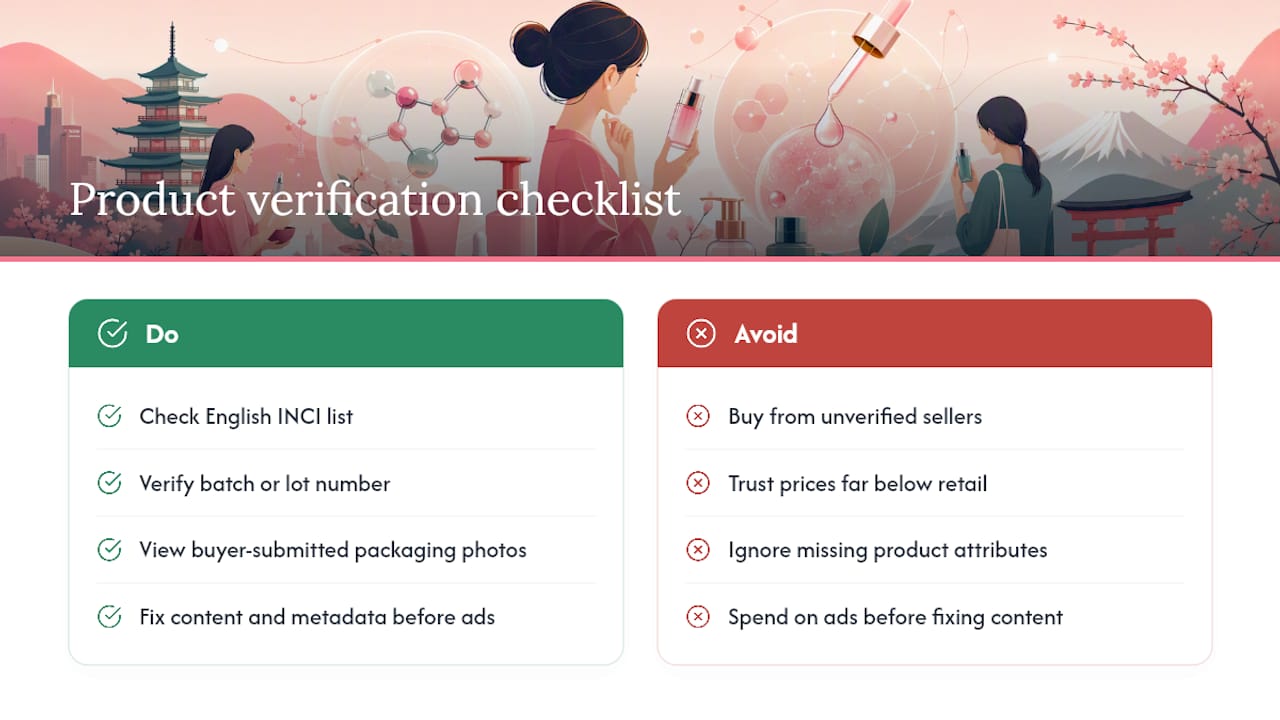
Run through this before you buy anything from an unfamiliar seller:
- Manufacturer sourcing or authorized-distributor language stated clearly on the page.
- A batch or lot number you can verify.
- An INCI ingredient list in English, not just a translated marketing paragraph.
- Packaging photos from actual buyers, not stock images.
- A price that isn’t suspiciously below what the brand charges directly.
Red flags beyond fakes: sellers who go quiet when you ask about returns, photos that don’t match across listings, and packaging text in the wrong language for the claimed origin.
Pro Tip: When in doubt, email the brand’s official customer service and ask if the seller is an authorized channel. Legitimate brands answer this question quickly, because counterfeit resellers hurt their business too.
Why Product Content and AI Now Decide What You See
Search engines and social feeds don’t rank products anymore. They rank content about products, and that shift is why structured data has become the backbone of discovery.
Eighty-four percent of shoppers say they’re more likely to buy when product attributes are easy to compare, and 51% are actively interested in AI-powered shopping tools. That means a brand’s product page needs to feed both humans and algorithms the same clean data.
The metadata checklist that actually moves the needle:
- GTIN or UPC codes, correctly registered.
- Country of origin, stated explicitly.
- Full INCI ingredient list, localized.
- Product version or region flag, so a Japan-only formula isn’t confused with a reformulated export version.
- Certification and verification badges, machine-readable where the platform supports it.
- Skin type, concern tags, texture, and shade mapping, the attributes AI recommendation engines actually use to match products to people.
If you’re a brand, prioritize this before chasing paid placement. A gorgeous product photo without structured data behind it is invisible to the systems now doing the matching for you.
Consumer and Brand Checklists You Can Use Today
Before you buy, run through six checks in under five minutes: verified-seller status, packaging photos in reviews, a legible INCI list, a price that makes sense against retail, reviews that include real photos, and a clear return policy.
If you’re building a brand’s discovery plan, prioritize these six moves:
- Publish machine-readable product data across every channel.
- Build localized product pages, not translated ones.
- Register with authorized-channel programs on major marketplaces.
- Get third-party or community verification in place.
- Launch a structured UGC program.
- Onboard with trusted, curated storefronts.
A realistic timeline: schema and metadata live within 30 days, marketplace and storefront partnerships signed within 90 days, and a scaled content and UGC program running by 180 days.
Where discovery is headed next
AI-driven recommendations are only going to get more influential, and that’s pushing the entire category toward provenance over price. Analysts are already telling brands entering Southeast Asia to trade price-led virality for science-backed, region-specific storytelling, and I think that logic holds everywhere brands compete for trust, not just attention. Spyra Verified was built around that same premise: a discovery destination where sourcing and verification come first, not an afterthought bolted onto a viral product.
Buy With Confidence, Get Discovered Faster
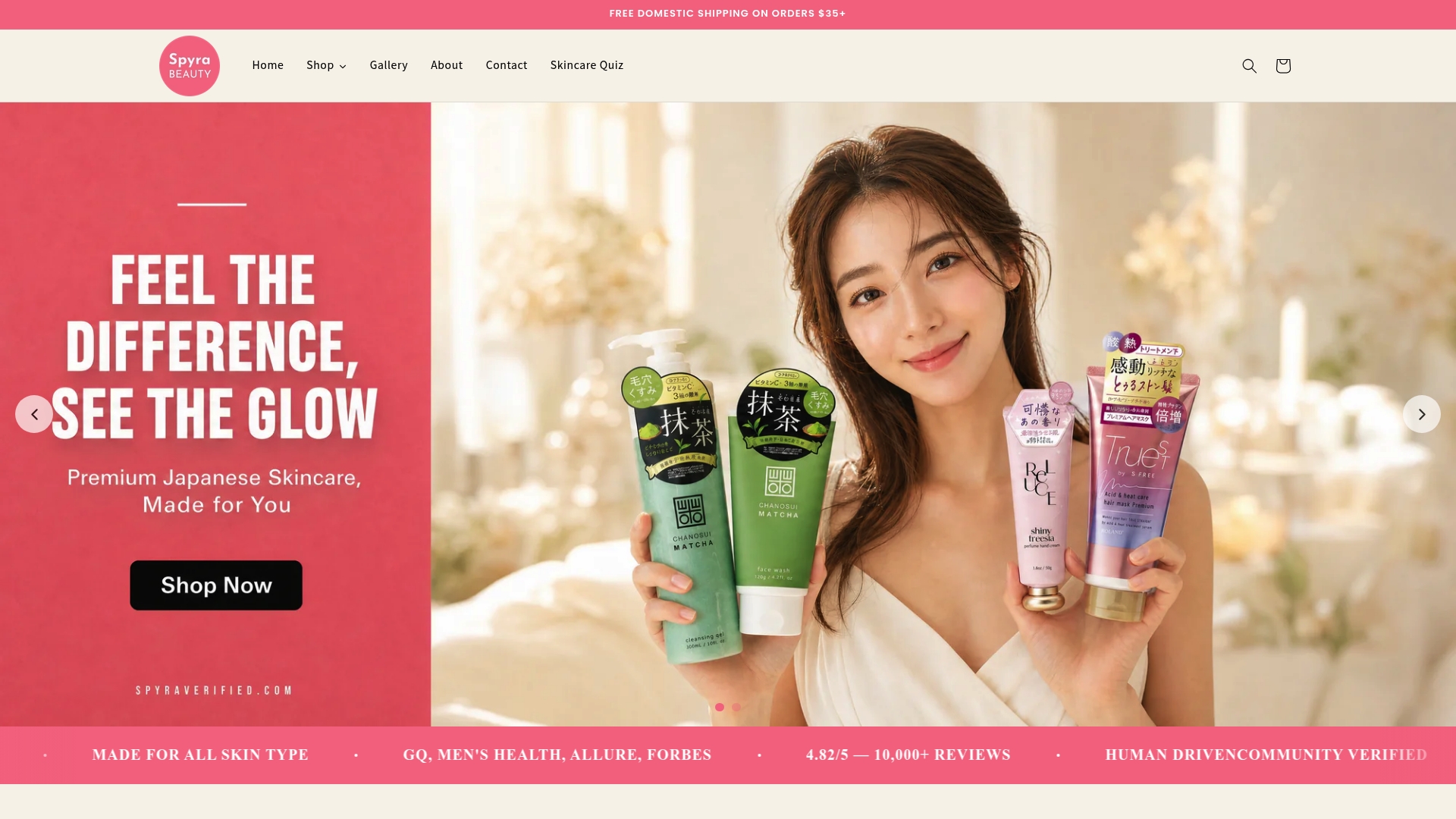
Spyra Verified sources directly from manufacturers, verifies products through community testing, and builds AI-powered content that helps both sides of this equation. If you’re shopping, that means a storefront where sourcing isn’t a mystery. If you’re a brand, it means localized market support and distribution built for brands that want to expand beyond their home market without losing control of how their product is represented.
You get a trusted, verified selection as a shopper, and a faster path to American shoppers as a brand, without either side guessing at authenticity. Browse the skincare collection to see verified sourcing in action, or explore the hair care collection for the same standard applied to a different category. If you’re a brand ready to talk distribution, reach out through the site to start that conversation.
Frequently Asked Questions
What is beauty market discovery, in simple terms? It’s how you find and trust authentic beauty products online, and how brands make sure they’re the ones you find. It combines platform reach, product content, and verification signals.
How can I tell if a Korean or Japanese beauty product is real before I buy it? Check for an English INCI ingredient list, a verifiable batch or lot number, manufacturer sourcing language, and buyer-submitted packaging photos. Contact the brand directly if anything feels off.
Why do AI recommendations matter for finding Asian beauty products? Recommendation engines rely on structured product data like skin type, concern tags, and shade mapping. Products without that data are far less likely to appear in your personalized results.
What should a brand do first when entering a new market like the U.S.? Fix product content and metadata before spending on ads. Localized copy, clear ingredient lists, and machine-readable attributes determine whether marketplaces and search engines surface the product at all.
Are lower prices always a red flag for counterfeit beauty products? Not always, but a price far below the brand’s direct retail price paired with an unverified seller is one of the clearest warning signs, especially in categories with documented counterfeit activity like K-beauty.
Sources
- Content That Converts: The Beauty Edition (NielsenIQ)
- C-beauty’s new playbook for Southeast Asia (BeautyMatter)
- BBC: Popularity of Korean skincare and counterfeit problems (BBC News)
- Asian sunscreen sourcing signals trust gap (Socelle Intelligence)
