

Japanese Clay Mask Types: Your Complete Skin Guide
Japanese clay masks are defined as mineral-rich skincare treatments that cleanse, balance, and refine the skin through the natural absorptive power of clay. The most prominent examples of Japanese clay mask types include kaolin, bentonite, and Rhassoul (also called Ghassoul), each selected for distinct skin benefits. Kaolin-based masks hold approximately 35–40% of Japan’s clay mask market, reflecting their reputation for gentle, effective cleansing. Multiclay blends are now emerging as the fastest-growing category, and active ingredients like Vitamin C and hyaluronic acid are reshaping what a clay mask can do.
What are the primary examples of Japanese clay mask types?
Japanese skincare clay falls into five main categories, each with a distinct mineral profile and skin application. Knowing which clay suits your skin type is the single most important factor in getting real results from a clay mask.
Kaolin clay
Kaolin is the most widely used clay in Japanese skincare. It delivers moisture to dry skin while gently absorbing impurities, making it the go-to choice for sensitive and dry skin types. Its fine particle size means it cleanses without stripping the skin’s natural oils. Kaolin’s dominance in Japan is no accident. Japanese consumers historically prefer gentle, skin-respecting formulas over aggressive detoxifying treatments.
Bentonite clay
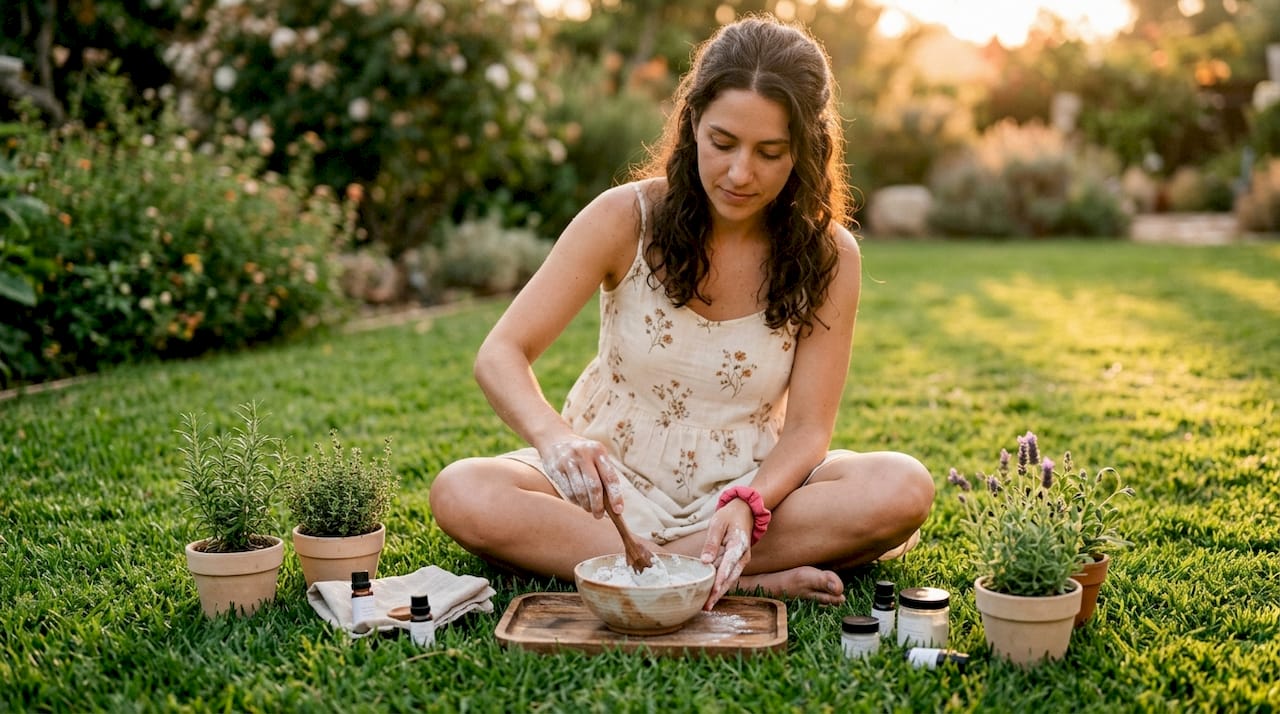
Bentonite is the heavy lifter of Japanese beauty clay. It absorbs impurities deep within pores, leaving skin feeling refreshed and visibly tightened after use. Bentonite-based masks capture 20–25% of Japan’s clay mask market, with the strongest following among younger consumers dealing with oily and acne-prone skin. The trade-off is real: bentonite can over-dry sensitive or combination skin if used all over the face without care.
Rhassoul (Ghassoul) clay
Rhassoul, also spelled Ghassoul, originates from Morocco but has earned a firm place in Japanese skincare formulations. Japanese market trends prioritize Rhassoul and Kaolin blends specifically for brightening and toning without the harsh tightness that stronger clays can cause. Rhassoul is rich in silica, magnesium, and potassium, giving it a soft, almost silky texture on the skin. It suits normal to combination skin types and works well for people who want a brightening effect without irritation.
French green clay and Fuller’s Earth
These two clays occupy a niche but growing space in Japanese beauty clay formulations. French green clay draws its green color from decomposed plant matter and iron oxides, and it stimulates circulation while pulling out impurities. Fuller’s Earth is a sedimentary clay with strong oil-absorbing capacity, often used in targeted treatments for congested pores. Both are better suited to oily skin and are rarely used as standalone masks in Japan. They appear most often as minor components in multiclay blends.
Multiclay blends
Multiclay blends are the fastest-growing segment, projected to grow from 15% of the market in 2026 to over 25% by 2035. That growth reflects a shift in consumer thinking. Skincare enthusiasts no longer want a single-purpose product. They want one mask that cleanses, brightens, and balances simultaneously. Multiclay formulas typically combine kaolin for gentleness, bentonite for absorption, and Rhassoul for mineral richness, creating a product that works across multiple skin concerns at once. If you are exploring the Japanese skincare routine, multiclay masks fit naturally into the treatment step.
Pro Tip: If you are new to clay masks, start with a pure kaolin formula for two weeks before introducing a multiclay blend. This gives your skin time to adjust and helps you identify how your skin responses to clay in general.
How do formulation types and active ingredients enhance Japanese clay masks?
The format of a clay mask changes how it performs on your skin. Japanese clay masks come in five main formats: rinse-off creams, gel masks, peel-off masks, single-use pods, and clay-infused sheet masks. Each format delivers the same core clay benefits through a different application experience.
- Rinse-off cream masks are the most traditional format. They apply like a thick moisturizer, sit for 10–15 minutes, and rinse clean. They suit all skin types and are easy to control in terms of coverage.
- Gel clay masks feel lighter on the skin and are preferred in warmer months. The gel base keeps the clay suspended in a more hydrating medium, reducing the risk of over-drying.
- Peel-off masks combine clay with film-forming agents. They lift away dead skin cells and surface debris as you peel, giving a satisfying tactile result. Best for normal to oily skin.
- Single-use pods are a convenience-driven format popular in Japan’s busy urban market. Pre-measured doses reduce waste and make travel easy.
- Clay-infused sheet masks are the most uniquely Japanese format. They combine the occlusive hydration of a sheet mask with the purifying action of clay, delivering both cleansing and moisture in one step.
Beyond format, active ingredients are redefining what clay masks can accomplish. Demand for clay masks containing Vitamin C, hyaluronic acid, and probiotics grew by 15% year-over-year in Japan. That growth signals a clear consumer preference for masks that do more than just cleanse. Vitamin C brightens and evens skin tone while the clay purifies. Hyaluronic acid counteracts the drying effect of clay by pulling moisture into the skin during the treatment. Probiotics support the skin barrier, which clay masks can temporarily disrupt if overused. A clay Vitamin C brightening formula is one practical example of this active-plus-clay approach in action.
The Japanese clay mask market is evolving beyond basic cleansing toward multifunctional products that combine purification with brightening and hydration. That evolution is driven by consumers who understand their skin and expect their products to work on multiple levels at once.
What are practical application techniques for Japanese clay masks?
How you apply a clay mask matters as much as which clay you choose. These techniques come directly from Japanese skincare practice and make a measurable difference in results.
- Multi-masking for combination skin. Apply bentonite to the T-zone and a gentler kaolin or Rhassoul blend on the cheeks. This prevents over-drying the drier areas of your face while still delivering deep cleansing where your skin needs it most.
- Match frequency to your skin type. Oily skin tolerates clay masks two to three times per week. Sensitive or dry skin does best with once-weekly use. Overusing clay masks strips the skin’s acid mantle, which triggers more oil production as a compensatory response.
- Patch test every new product. Apply a small amount to your inner forearm or behind the ear 24 hours before full-face use. This is non-negotiable for anyone with reactive skin or known sensitivities.
- Layer clay masks within a multi-step routine. In a Japanese multi-step skincare routine, clay masks belong after cleansing and before toning. Apply to clean, slightly damp skin to help the clay spread evenly and adhere properly.
- Remove before the mask fully dries. This is the most commonly ignored rule. A clay mask that dries completely pulls moisture from the skin along with impurities. Remove it when it is still slightly tacky, around the 10-minute mark for most formulas.
- Follow immediately with a hydrating toner. Clay opens the pores and temporarily increases skin permeability. A hydrating toner applied right after maximizes absorption and restores moisture balance.
Pro Tip: Warm a small amount of clay mask between your palms before applying. The slight warmth softens the clay, makes spreading easier, and helps open pores for better absorption.
How do Japanese clay mask types compare by skin type and benefit?
The right clay for your skin depends on three factors: absorption strength, mineral content, and your skin’s sensitivity level. The table below maps each major clay type against these parameters.
| Clay type | Best skin type | Absorption strength | Key benefit |
|---|---|---|---|
| Kaolin | Sensitive, dry | Low to medium | Gentle cleansing, moisture retention |
| Bentonite | Oily, acne-prone | High | Deep pore detox, sebum control |
| Rhassoul (Ghassoul) | Normal, combination | Medium | Brightening, mineral nourishment |
| French green clay | Oily, congested | Medium to high | Circulation, impurity removal |
| Fuller’s Earth | Oily | High | Oil absorption, pore refinement |
| Multiclay blend | All skin types | Adjustable | Tailored, multifunctional results |
Japanese consumers often prefer the gentle balancing qualities of kaolin and Ghassoul blends over aggressive mud-style masks. That preference reflects a broader cultural value in Japanese beauty: skin health over dramatic short-term results. For brightening goals, Rhassoul or a kaolin-Rhassoul blend is the expert recommendation. For deep cleansing and acne control, bentonite remains the strongest performer. For anyone who wants one product that covers multiple concerns, a multiclay blend is the most practical choice. You can also explore how Korean vs. Japanese skincare approaches differ in clay mask philosophy to refine your selection further.
Key Takeaways
Japanese clay masks deliver the best results when you match the clay type to your skin’s specific needs, using multiclay blends for the most flexible, multifunctional approach.
| Point | Details |
|---|---|
| Kaolin dominates Japan’s market | It holds 35–40% market share due to its gentle action on sensitive and dry skin. |
| Bentonite suits oily skin best | Its high absorption strength targets sebum and deep pore congestion effectively. |
| Multiclay blends are growing fast | Projected to exceed 25% market share by 2035 as consumers seek tailored results. |
| Active ingredients add real value | Vitamin C, hyaluronic acid, and probiotics grew demand by 15% year-over-year in Japan. |
| Multi-masking prevents over-drying | Apply stronger clays to oily zones and gentler clays to dry areas for balanced results. |
What I’ve learned from years of watching the Japanese clay mask market evolve
The biggest mistake skincare enthusiasts make with Japanese clay masks is treating all clays as interchangeable. They are not. Kaolin and bentonite behave completely differently on the skin, and using the wrong one for your skin type can make your skin worse, not better. I’ve seen people with dry skin reach for bentonite because it sounds more powerful, then wonder why their skin feels tight and flaky for days afterward.
The multiclay blend trend is genuinely exciting, but not for the reason most people think. The real value is not that you get “more clay.” It’s that formulators can now dial in the absorption-to-gentleness ratio with precision. A well-formulated multiclay mask can do what no single clay can: cleanse deeply without over-stripping. That’s a meaningful advancement for combination skin types, who have historically had to choose between effective cleansing and skin comfort.
The active ingredient integration is where I think the Japanese market is pulling ahead globally. Pairing hyaluronic acid with bentonite in a single formula addresses the one legitimate criticism of clay masks: they can dehydrate the skin. When the formula itself counteracts that effect, you get the cleansing benefit without the trade-off. That’s smart formulation, not marketing.
My honest recommendation for anyone starting out: pick a gentle kaolin mask, use it once a week for a month, and pay attention to how your skin responds. Then layer in a multiclay blend or an active-enriched formula. Experimentation works best when you change one variable at a time. Also, look for Japanese masks that list natural mineral sources on the ingredient deck. Sustainability and clean sourcing are growing priorities in the Japanese beauty market, and brands that invest in those standards tend to produce more consistent, skin-safe formulas. You can find a broader overview of standout options in Spyraverified’s best Japanese skincare products guide.
— Anni
Spyraverified’s skincare collection for clay mask enthusiasts
Clay masks work best as part of a complete skincare routine, not as a standalone treatment. Spyraverified curates authentic Japanese and Asian skincare products that pair directly with clay mask use, including hydrating toners, soothing serums, and barrier-repair moisturizers that restore balance after a clay treatment.
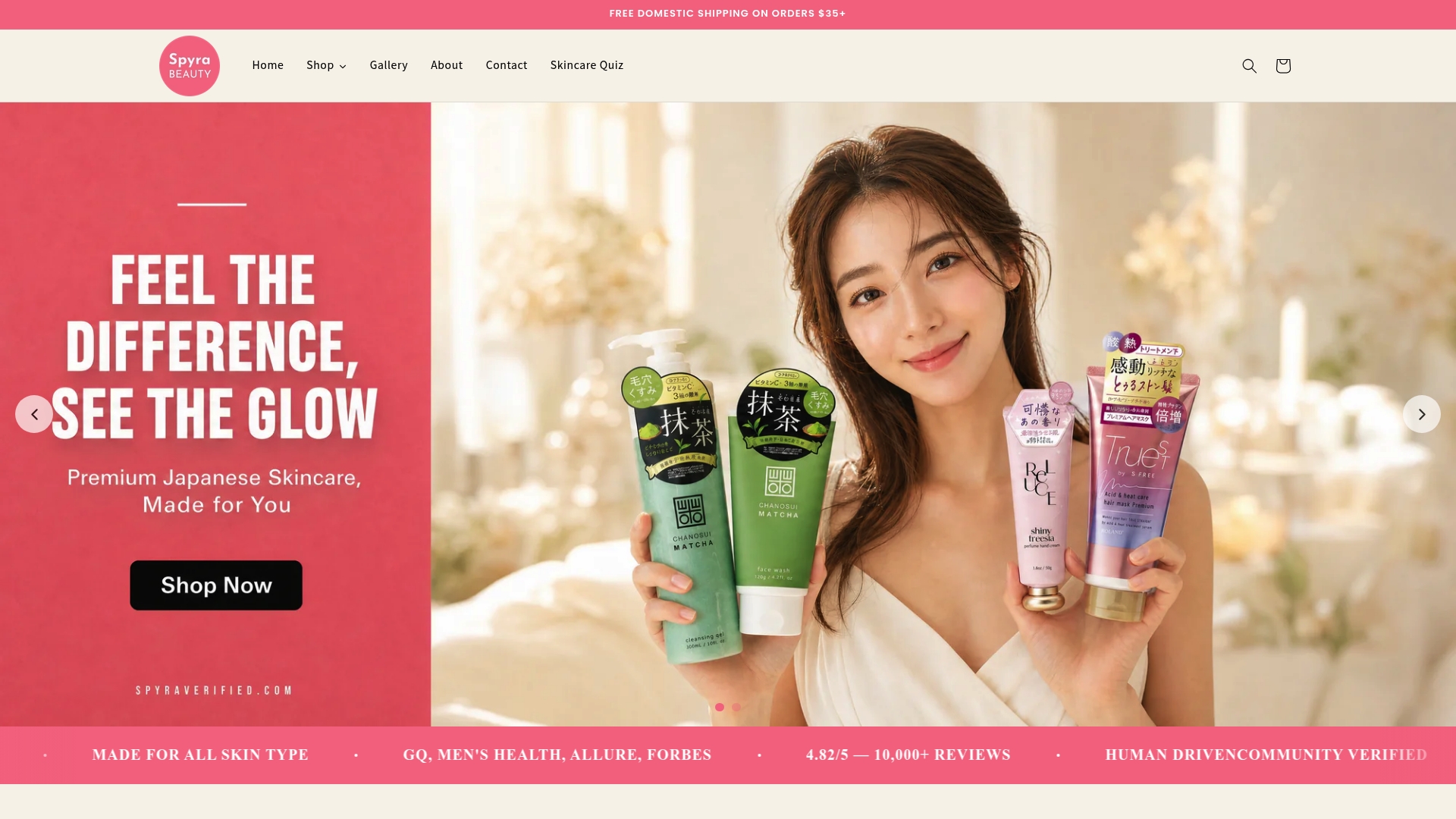
Every product in Spyraverified’s skincare collection is sourced directly from manufacturers, so you get the real formula, not a reformulated export version. Whether you are building a routine around kaolin for sensitive skin or a multiclay blend for combination skin, the collection includes the complementary steps that make clay masking more effective and more comfortable. Skincare enthusiasts who want to go deeper can also browse the best sellers for top-rated picks across the full routine.
FAQ
What is the most popular clay type in Japanese clay masks?
Kaolin is the most popular clay in Japanese masks, holding approximately 35–40% of the market. Its gentle absorption suits sensitive and dry skin without causing tightness.
How often should you use a Japanese clay mask?
Oily skin tolerates clay masks two to three times per week. Sensitive or dry skin does best with once-weekly use to avoid disrupting the skin barrier.
What makes multiclay blends different from single-clay masks?
Multiclay blends combine two or more clays, such as kaolin and bentonite, to deliver both gentle cleansing and strong absorption in one formula. They suit a wider range of skin types than single-clay products.
Can you use a Japanese clay mask if you have sensitive skin?
Yes. Kaolin-based masks and Rhassoul blends are specifically recommended for sensitive skin. Avoid high-bentonite formulas, which can cause excessive tightness and dryness on reactive skin.
What active ingredients should you look for in a Japanese clay mask?
Vitamin C, hyaluronic acid, and probiotics are the three most impactful actives in modern Japanese clay masks. Vitamin C brightens, hyaluronic acid hydrates, and probiotics support the skin barrier during and after the clay treatment.
