

Brightening vs Whitening Skincare: What You Need to Know
Brightening skincare is defined as any regimen that improves skin radiance and evens tone without altering your natural complexion, while whitening skincare aims to lighten skin by reducing melanin production. Understanding what is brightening vs whitening skincare matters because the two terms are used interchangeably in marketing, yet they describe fundamentally different goals and carry very different safety profiles. Dermatologists like Dr. Anjali Mahto and Dr. Antionetta Ashwini J consistently point out that brightening targets radiance, not shade change. The World Health Organization has flagged skin lightening as a public health concern, which makes knowing the difference between these two categories more than a matter of preference.
What is brightening vs whitening skincare?
Brightening skincare improves radiance and evens tone without changing your natural skin color. It targets specific issues like dark spots, post-inflammatory hyperpigmentation, dullness, and uneven texture. The goal is healthy, luminous skin at whatever shade you naturally are.
Whitening skincare, by contrast, aims to lighten skin tone by reducing melanin production across the entire complexion. The intended result is a shift to a lighter shade than your natural one. That distinction in intent is the core of the brightening vs whitening debate.
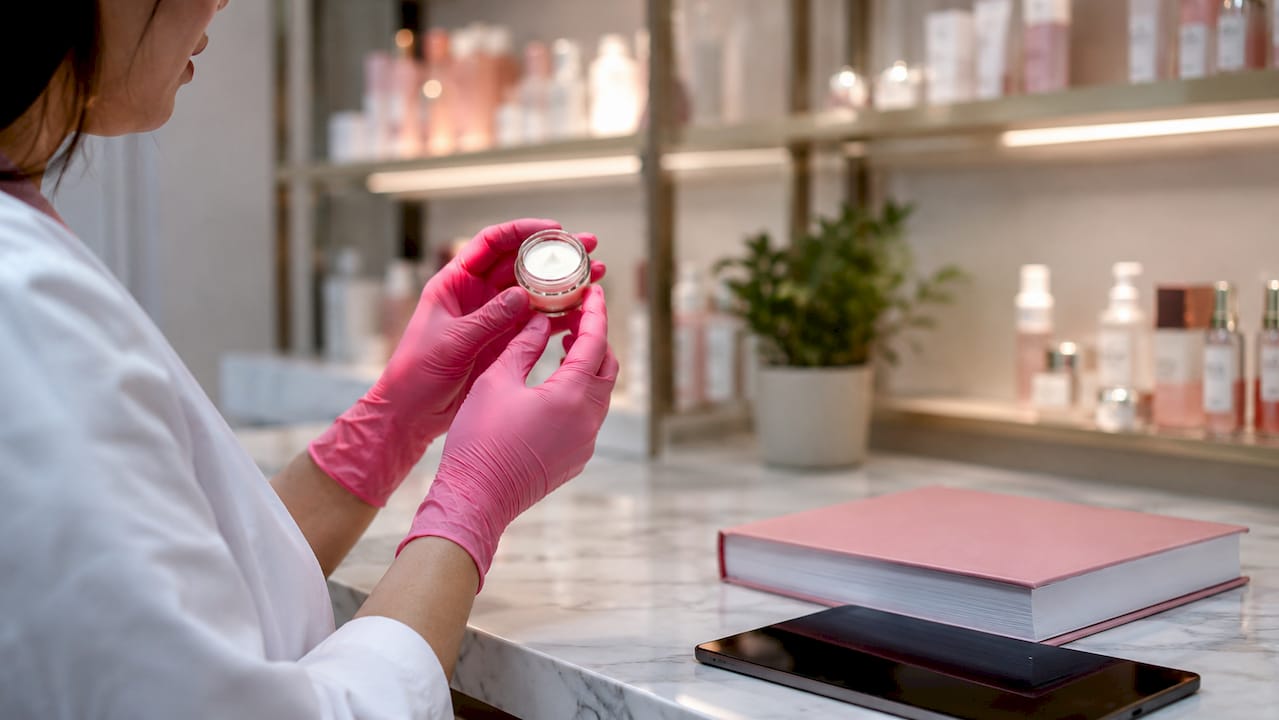
The confusion between the two is largely a marketing problem. Brands use “brightening,” “lightening,” “whitening,” and “radiance” almost interchangeably on packaging. Reading the ingredient list, not the label, is the only reliable way to know which category a product actually belongs to.
How does brightening skincare work?
Brightening skincare works through three main mechanisms: reducing the appearance of existing dark spots, slowing the formation of new pigmentation, and protecting skin from oxidative stress that causes dullness. These actions target specific pigmentation pathways rather than suppressing melanin production across the board.
The best brightening skincare ingredients include niacinamide, vitamin C, and licorice root extract. Niacinamide works by inhibiting melanosome transfer, the process by which pigment moves from melanocytes into skin cells. Vitamin C neutralizes free radicals and slows melanin synthesis at the source. Licorice root extract contains glabridin, which blocks the enzyme tyrosinase that triggers pigment production.
Brightening is considered the gentler approach because these ingredients address pigmentation without disrupting the skin barrier or suppressing melanin systemically. Products like a vitamin C face wash deliver antioxidant protection at the cleansing step, which is a practical entry point for anyone new to brightening routines.
Key brightening skincare benefits include:
- Even skin tone without changing your natural complexion
- Reduced dark spots from sun exposure or post-acne marks
- Improved radiance through antioxidant protection
- Barrier-friendly formulas that work with your skin rather than against it
- Compatibility with most skin types, including sensitive skin
Pro Tip: Match your brightening ingredient to your pigmentation type. Niacinamide works well for post-inflammatory hyperpigmentation. Vitamin C is most effective for sun-induced dark spots. Licorice root extract suits melasma-prone skin.
What is whitening skincare and what are the risks?
Whitening skincare is designed to reduce overall melanin levels to shift skin to a lighter shade. This is a different goal from brightening. Whitening products do not just target specific dark spots. They attempt to suppress melanin production across the entire face or body.
Common whitening agents include hydroquinone, mercury compounds, corticosteroids, and unregulated botanical bleaches. Hydroquinone is the most studied, and while it is approved at low concentrations in some markets, it carries risks of ochronosis (a bluish-black skin discoloration) with prolonged use. Mercury is far more dangerous.
“Unsafe whitening products often contain mercury, lead, steroids, and unregulated chemicals that can cause long-term skin damage and serious health issues.” — OnlyMyHealth
The WHO treats skin lightening as a significant public health concern. The organization has published a toolkit specifically for collecting behavioral data on skin lightening product use and guiding regulatory responses. That level of institutional attention signals real, documented risk.
The risks associated with whitening products include:
- Mercury toxicity, which can damage the kidneys and nervous system
- Steroid-induced skin thinning and increased infection risk
- Rebound hyperpigmentation after stopping hydroquinone
- Ochronosis from long-term hydroquinone use
- Unregulated chemical exposure from products sold outside formal retail channels
The ethical dimension matters too. The mindset of aiming for lighter skin through whitening products often leads to unsafe ingredient use and long-term damage. Brightening, by contrast, promotes healthy, even-toned skin at your natural shade.
How to choose between brightening and whitening skincare products
The right starting point is identifying your actual skin goal. Ask yourself whether you want your skin to look more radiant and even, or whether you want to change your natural skin tone. The first goal points to brightening. The second points to whitening, and that path carries significant safety considerations.
Use this comparison to guide your decision:
| Factor | Brightening | Whitening |
|---|---|---|
| Primary goal | Radiance and even tone | Lighter overall complexion |
| Key ingredients | Niacinamide, vitamin C, licorice root | Hydroquinone, mercury, steroids |
| Safety profile | Generally safe for long-term use | Significant risks with many formulas |
| Regulatory status | Widely accepted | Restricted or banned in many markets |
| Best for | Dark spots, dullness, uneven tone | Not recommended without medical supervision |
Checking the ingredient list is non-negotiable. Marketing often blurs brightening and lightening, so ingredient literacy is your best protection against unsafe choices. If a product promises dramatic skin tone change in a short time, that is a signal to look closely at what is in the formula.
Dermatological consultation is the safest route when you are dealing with persistent hyperpigmentation or melasma. A dermatologist can prescribe regulated concentrations of actives and monitor your skin’s response. Self-treating with unregulated whitening products is where most harm occurs.
Pro Tip: Use the Spyraverified skin quiz to identify your specific skin concerns before buying. Knowing whether your issue is sun damage, post-acne marks, or general dullness helps you pick the right brightening ingredient.
Key differences between brightening and whitening ingredients
The functional difference between brightening and whitening comes down to mechanism. Brightening ingredients modulate how pigment is distributed and protect against new pigment formation. Whitening ingredients suppress melanin synthesis more aggressively, often with broader effects on skin biology.
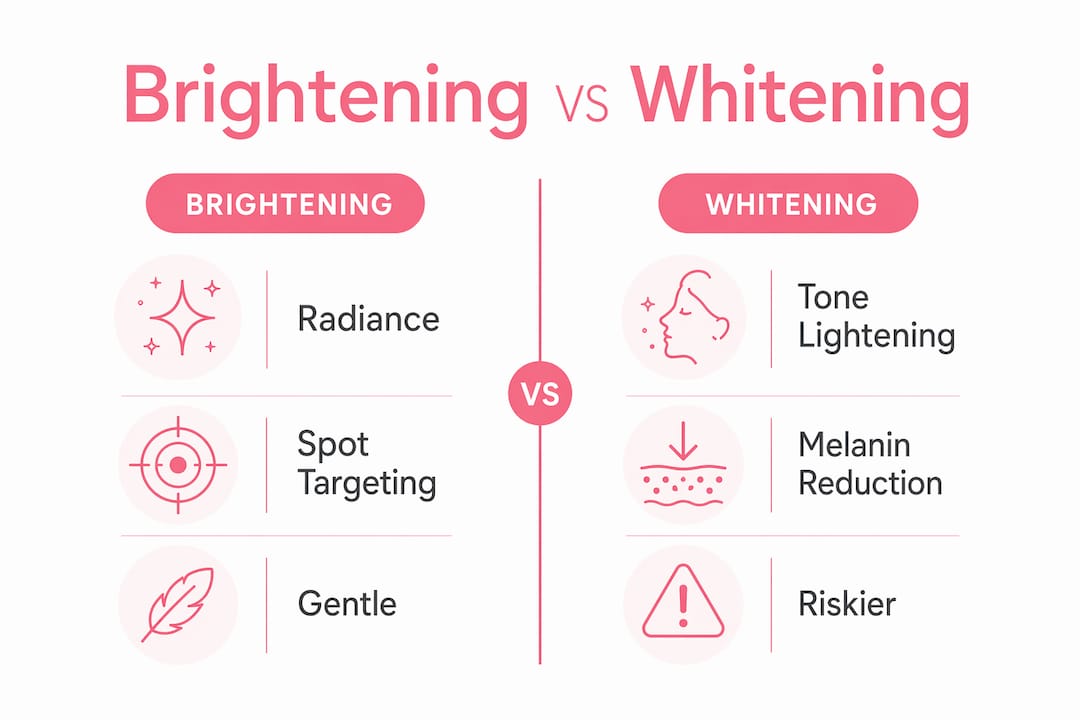
Brightening ingredients and how they work
Niacinamide is the most studied brightening active. 4% niacinamide showed comparable depigmenting effects to 4% hydroquinone in clinical research, with significantly better tolerability. That finding is significant. It means you can get results similar to a prescription-strength whitening agent without the associated risks.
Vitamin C (ascorbic acid) inhibits tyrosinase and neutralizes free radicals that trigger melanin production. It also supports collagen synthesis, which improves overall skin texture. Licorice root extract works through glabridin, a tyrosinase inhibitor that is gentler than hydroquinone. Japanese and Korean skincare formulas frequently combine these ingredients with proven anti-aging actives for compounded brightening effects.
Whitening ingredients and their risks
Hydroquinone is the benchmark whitening agent. It works by inhibiting tyrosinase and reducing melanocyte activity. At 2% it is available over the counter in some markets. At 4% it requires a prescription in the United States. Long-term use without medical supervision causes ochronosis and rebound pigmentation.
Mercury compounds are banned in the European Union, the United States, and many Asian markets, but they still appear in unregulated products sold online. Mercury suppresses melanin production effectively but accumulates in the body and causes kidney damage, neurological harm, and skin thinning. Corticosteroids are sometimes added to whitening formulas to reduce inflammation and boost the lightening effect. They cause skin atrophy, telangiectasia, and increased susceptibility to infection with extended use.
| Ingredient | Category | Mechanism | Safety |
|---|---|---|---|
| Niacinamide | Brightening | Inhibits melanosome transfer | Safe for long-term use |
| Vitamin C | Brightening | Tyrosinase inhibition, antioxidant | Generally well tolerated |
| Licorice root extract | Brightening | Glabridin blocks tyrosinase | Gentle, suitable for sensitive skin |
| Hydroquinone | Whitening | Reduces melanocyte activity | Restricted; risks with long-term use |
| Mercury | Whitening | Suppresses melanin production | Banned in most regulated markets |
| Corticosteroids | Whitening | Anti-inflammatory, lightening boost | Causes skin atrophy with prolonged use |
WHO’s toolkit warns that product labeling alone does not guarantee safety. Sourcing products from regulated retailers and checking ingredient lists against known harmful agents is the only reliable safeguard.
Key Takeaways
Brightening skincare improves radiance and targets specific dark spots without changing your natural skin tone, while whitening skincare carries real safety risks that make ingredient literacy and medical guidance non-negotiable.
| Point | Details |
|---|---|
| Brightening vs whitening intent | Brightening improves radiance; whitening aims to shift skin to a lighter shade. |
| Safest brightening ingredients | Niacinamide, vitamin C, and licorice root extract are effective and well tolerated. |
| Whitening safety risks | Mercury, steroids, and unregulated hydroquinone cause serious long-term harm. |
| Read ingredients, not labels | Marketing blurs the two categories; the ingredient list reveals a product’s true function. |
| Consult a dermatologist | Persistent hyperpigmentation or melasma requires professional guidance, not OTC whitening products. |
Why the label on the bottle is the last thing I trust
The skincare aisle has a language problem, and it is not accidental. “Brightening,” “radiance-boosting,” “whitening,” and “lightening” are used by brands to appeal to different consumer desires, often without any meaningful distinction in the formula. I have seen products labeled “brightening” that contain hydroquinone at concentrations that would require a prescription in the United States. I have also seen products labeled “whitening” that contain nothing more aggressive than niacinamide and kojic acid.
The word on the front of the bottle tells you about the marketing team’s priorities, not the chemist’s. What actually matters is the active ingredient, its concentration, and the mechanism it uses. A brightening serum built around vitamin C and niacinamide will deliver measurable results for dark spots and dullness without touching your natural skin color. A “whitening” cream with mercury will lighten your skin, but it will also damage your kidneys.
The deeper issue is that the desire for lighter skin is still heavily marketed across parts of Asia, Africa, and Latin America in ways that normalize unsafe practices. Public health bodies including the WHO have had to intervene at a regulatory level because the consumer harm is real and documented. Choosing brightening over whitening is not just a skincare preference. It is a decision that protects your long-term health.
My advice: flip the bottle, read the ingredient list, and look up anything you do not recognize before it touches your skin. Ingredient literacy is the single most protective habit you can build in your skincare routine.
— Anni
Spyraverified’s approach to safe, effective brightening
Spyraverified curates skincare from Japanese and Asian brands that prioritize skin health over aggressive lightening. Every product in the skincare collection is selected for ingredient quality and safety, with a focus on formulas that deliver real brightening results without harmful whitening agents.
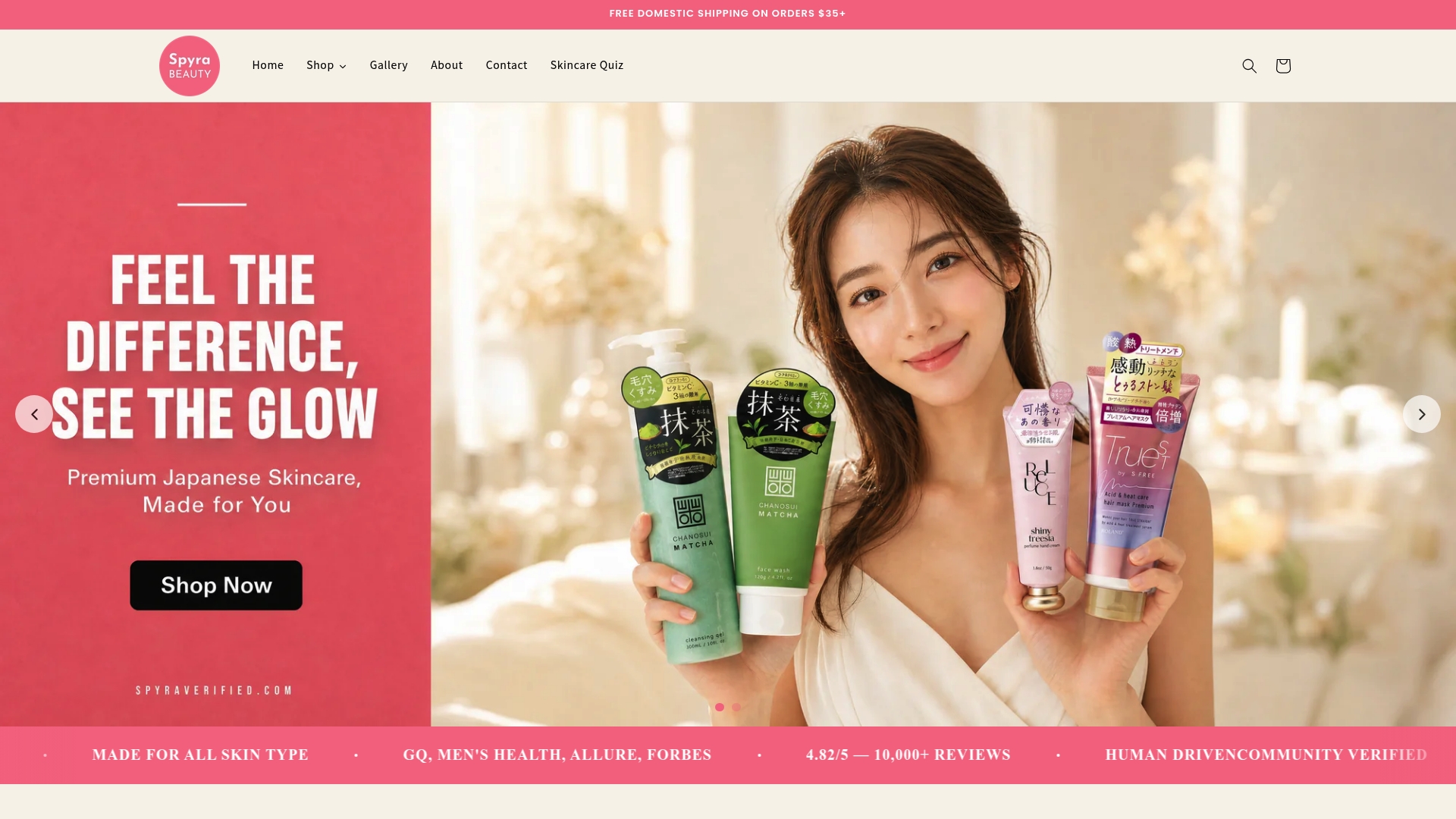
If you are not sure where to start, the Spyraverified skin quiz identifies your specific skin concerns and matches you with products suited to your goals. Whether you are dealing with post-acne marks, sun spots, or general dullness, there is a brightening solution that works with your skin rather than against it. Safe, evidence-backed ingredients. No mercury. No guesswork on the label.
FAQ
What is the main difference between brightening and whitening skincare?
Brightening skincare improves radiance and targets specific dark spots without changing your natural skin color. Whitening skincare aims to reduce overall melanin production to shift skin to a lighter shade.
Is brightening skincare safe for daily use?
Yes. Brightening ingredients like niacinamide, vitamin C, and licorice root extract are well tolerated and safe for daily use by most skin types. They work with your skin’s natural processes rather than suppressing them.
Why is whitening skincare considered risky?
Many whitening products contain mercury, corticosteroids, or high concentrations of hydroquinone. These ingredients cause kidney damage, skin thinning, and rebound pigmentation, and several are banned in regulated markets.
Can brightening products replace whitening products for hyperpigmentation?
Yes. Clinical research shows that 4% niacinamide produces comparable depigmenting results to 4% hydroquinone with better tolerability. Brightening ingredients are the safer and equally effective choice for most hyperpigmentation concerns.
How do I know if a product is brightening or whitening?
Ignore the label and read the ingredient list. Niacinamide, vitamin C, and botanical extracts indicate a brightening formula. Hydroquinone, mercury compounds, or steroids indicate a whitening or bleaching product.
