

How to Pick Japanese Sunscreen for Your Skin Type
Picking Japanese sunscreen for your skin means selecting a formula based on your skin type, UV filter chemistry, and texture preference. Japanese sunscreen is the category term for SPF products formulated and manufactured in Japan, where regulatory standards allow access to advanced UV filters not approved in the United States. Brands like Bioré UV Aqua Rich, Anessa, and Canmake dominate this space with formulas built around PA++++ ratings and lightweight textures. Understanding how PA ratings, filter types, and formula variants work together is what separates a great daily sunscreen from one that sits unused in your drawer.
How to pick japanese sunscreen for your skin type
The right Japanese sunscreen for you depends on three things: your skin type, your climate, and how you plan to use it daily. Getting this match right determines whether you actually wear it every morning or skip it because it feels heavy or greasy.
Matching formula to skin type
Japanese sunscreens offer textures ranging from watery essences and gels to milky lotions, each suited to different skin profiles. Bioré UV Aqua Rich Watery Essence is the best all-purpose option for normal to dry skin in 2026, offering SPF 50+ PA++++ protection that dries clear with no sticky finish. If you have oily or combination skin, or live in a humid climate, the Bioré UV Aqua Rich Airy Hold Cream delivers the same protection level with a matte, sweat-resistant finish. For sensitive skin, the Watery Hold Cream variant uses mineral filters that are gentler on reactive skin.
Here is a quick breakdown by skin type:
- Normal to dry skin: Bioré UV Aqua Rich Watery Essence, Anessa Perfect UV Milk
- Oily or combination skin: Bioré UV Aqua Rich Airy Hold Cream, Canmake Mermaid Skin Gel
- Sensitive skin: Bioré UV Aqua Rich Watery Hold Cream (mineral filter formula)
- Dry or compromised skin: Richer cream textures that double as moisturizers
Pro Tip: If you find yourself skipping sunscreen because it feels heavy, switch to a watery essence or gel formula. Lighter textures encourage proper application because they feel like nothing on the skin, which means you are more likely to use the full recommended amount.
What do PA++++ and SPF mean on japanese labels?
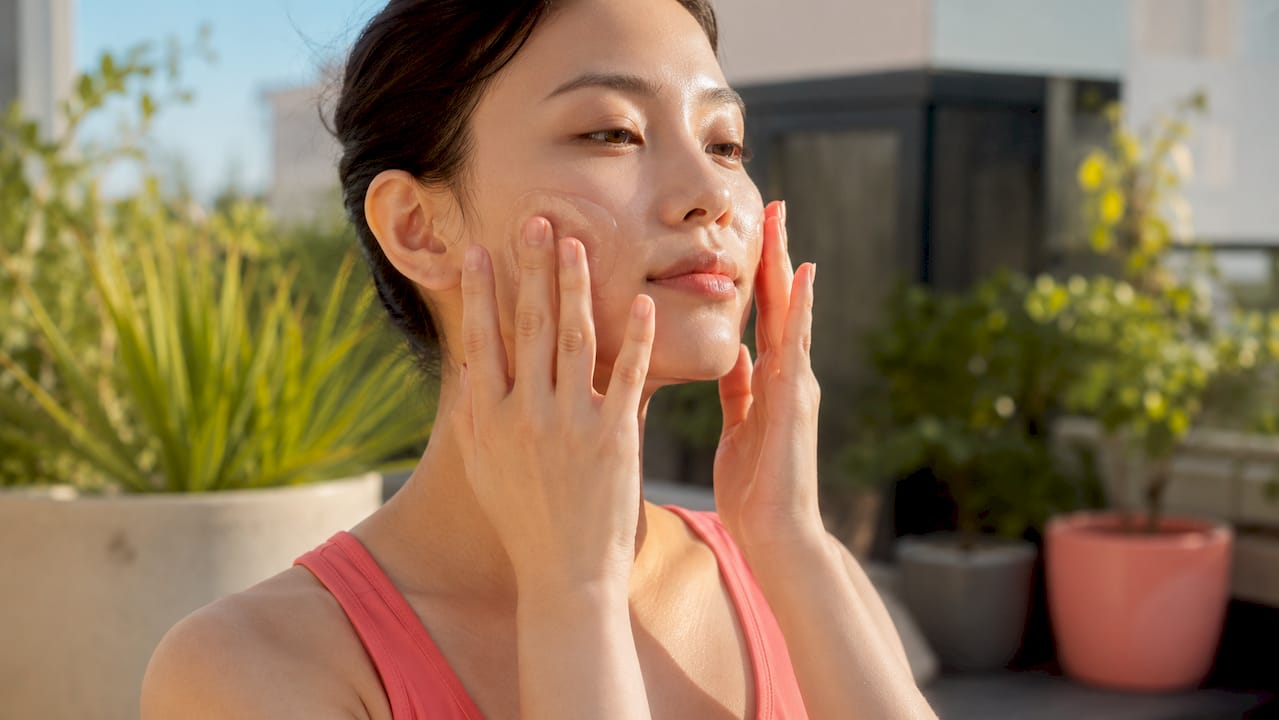
SPF measures protection against UVB rays, the ones that cause sunburn. PA ratings measure protection against UVA rays, which penetrate deeper and cause long-term skin aging and DNA damage. The Japanese PA system is a tiered scale running from PA+ to PA++++, and PA++++ represents the highest UVA protection tier, corresponding to a PPD value of 16 or higher.
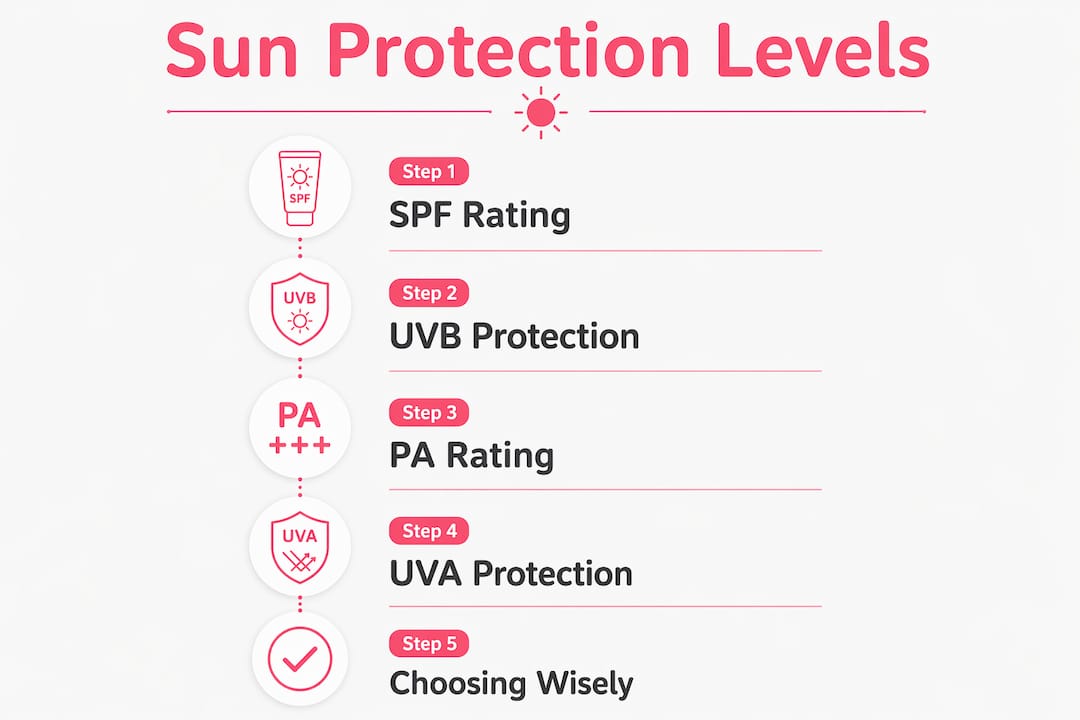
This matters because the American “broad spectrum” label on US sunscreens does not specify a UVA protection level. It only confirms that some UVA protection exists. PA++++ is a precise, quantified claim. That specificity is one reason dermatologists and skincare enthusiasts favor Japanese formulas for daily anti-aging protection.
Key facts about the PA and SPF system:
- SPF 50+ blocks approximately 98% of UVB rays
- PA+ = PPD 2–3 (some UVA protection)
- PA++ = PPD 4–7 (moderate UVA protection)
- PA+++ = PPD 8–15 (high UVA protection)
- PA++++ = PPD 16+ (extremely high UVA protection)
Most popular Japanese sunscreens, including Bioré UV Aqua Rich, Anessa Perfect UV Milk, and Canmake Mermaid Skin Gel, carry the PA++++ rating. That means you are getting the maximum UVA defense available on the Japanese market. One important nuance: even within PA++++, actual PPD values can vary. The label caps at four pluses, so two products with the same rating may not offer identical UVA protection levels.
Why is japanese sunscreen different from western options?
Japanese sunscreens use UV filter chemistry that is simply not available in the United States. The FDA classifies sunscreen as an over-the-counter drug, which means new filters require a lengthy approval process. Japan and the EU operate under cosmetic regulations, allowing faster adoption of newer compounds.
The result is a meaningful gap in formula quality. Here is how that plays out in practice:
- Advanced UV filters. Filters like Tinosorb S and Uvinul A Plus appear in Japanese formulas but are not FDA-approved for US products. These compounds provide broader UVA coverage and are more photostable than older US-approved filters like avobenzone.
- Lighter textures. Because modern filters are more efficient at lower concentrations, Japanese sunscreens need less active ingredient by weight. That translates directly into thinner, more wearable formulas.
- No white cast on most formulas. Chemical filter sunscreens dry clear on all skin tones. This is the default in Japan, where chemical filters dominate the market.
- Texture variety by design. Japanese brands engineer distinct textures for distinct use cases. A watery essence, a gel, and a milk are not interchangeable products. Each is formulated for a specific skin type and climate condition.
This is also why the Japanese vs Korean sunscreen comparison comes up often. Korean sunscreens share access to similar modern filters and prioritize elegant textures, but Japanese formulas tend to focus more on pure UV performance and less on skincare hybrid claims. Both categories outperform most US options in texture and UVA coverage.
What mistakes should you avoid when buying japanese sunscreen?
The biggest mistake buyers make is purchasing a product that looks Japanese but is not. Several major brands sell different formulas under the same name in different markets. The Japanese version of Bioré UV uses advanced filters and a lighter texture. The US version uses a different filter set entirely and feels noticeably heavier. Japanese and US versions differ significantly in filter types and texture, so verifying the packaging language before buying is critical.
Here is what to check before you buy:
- Look for Japanese text on the packaging. Authentic Japanese products will have Japanese characters on the label. If the packaging is entirely in English, it may be a reformulated export version.
- Check the filter list. Ingredients like Tinosorb S (Bis-Ethylhexyloxyphenol Methoxyphenyl Triazine) confirm a Japanese or EU formula. Avobenzone as the primary UVA filter signals a US formula.
- Avoid tone-up formulas if white cast is a concern. Tone-up sunscreens contain white or lavender pigments designed to brighten the complexion. These formulas may not suit deeper skin tones and can leave a visible cast.
- Match texture to your skin type before buying. A watery essence on very dry skin may not provide enough moisture. A rich cream on oily skin will likely pill under makeup.
Pro Tip: When shopping for authentic Japanese sunscreen online, buy from retailers that source directly from Japan and display Japanese-language product images. Spyraverified specializes in exactly this kind of verified sourcing, which removes the guesswork about formula authenticity.
Reapplication is another area where people fall short. SPF degrades with sun exposure, sweat, and sebum. Reapply every two hours during outdoor activity, and use a powder SPF or cushion formula for touch-ups over makeup. Skipping reapplication cuts your effective protection significantly, regardless of how high your SPF number is.
Key takeaways
Choosing the right Japanese sunscreen requires matching UV filter type, PA rating, and texture to your specific skin type and daily routine.
| Point | Details |
|---|---|
| Match texture to skin type | Watery essences suit normal to dry skin; gel or matte formulas work better for oily skin. |
| PA++++ is the gold standard | This rating confirms PPD 16+ UVA protection, far more specific than US broad-spectrum labeling. |
| Verify authentic Japanese packaging | Japanese-market formulas use advanced filters like Tinosorb S that US versions do not contain. |
| Avoid tone-up formulas for deeper skin tones | Pigmented brightening formulas can leave a visible white or lavender cast on medium to deep complexions. |
| Reapply every two hours outdoors | No SPF rating maintains full effectiveness without reapplication during prolonged sun exposure. |
Why japanese sunscreens have changed how i think about SPF
I used to treat sunscreen as an afterthought. I grabbed whatever was on the drugstore shelf, applied it once in the morning, and called it done. Switching to Japanese formulas changed that habit completely, and not because of marketing.
The texture difference is real and it matters. When a sunscreen feels like water on your skin, you stop dreading the application step. That shift in experience is what finally made daily SPF a non-negotiable part of my routine rather than a chore. Bioré UV Aqua Rich Watery Essence was the product that did it for me. It layers under moisturizer and primer without pilling, which is something I could not say about any US formula I had tried.
What I find most underrated is the PA rating system. Most people focus entirely on SPF and ignore UVA protection. UVA rays are present year-round, penetrate glass, and are the primary driver of premature aging. The fact that Japanese labels give you a precise UVA tier rather than a vague broad-spectrum claim means you can actually compare products on UVA performance. That is a real advantage.
My honest advice: start with a watery essence if you are new to Japanese sunscreens. It is the most forgiving format for most skin types and the easiest to layer into an existing routine. Once you know what a well-formulated SPF feels like, you will not go back to thick Western lotions.
— Anni
Discover japanese skincare at Spyraverified
If this guide has you ready to build a better SPF routine, Spyraverified makes it easy to access authentic Japanese and Asian beauty products without the sourcing headaches. The platform curates verified formulas directly from Japanese and Asian brands, so what you receive matches the product described.
Browse the full Japanese skincare collection to find sunscreens and complementary products suited to your skin type. If you are not sure where to start, the personalized skin quiz matches you to products based on your specific skin profile. You can also explore the Uji Matcha Pore Cleansing Gel and the Japanese Peppermint Cool Body Soap to round out a full Japanese-inspired skincare routine.
FAQ
What is the best japanese sunscreen for oily skin?
Bioré UV Aqua Rich Airy Hold Cream and Canmake Mermaid Skin Gel are the top-rated options for oily skin. Both carry SPF 50+ PA++++ and dry to a matte, non-greasy finish.
How does the PA system differ from US broad-spectrum labeling?
PA++++ specifies a PPD 16+ UVA protection level, while US broad-spectrum labeling only confirms that some UVA protection exists without quantifying it. PA ratings give you a precise, comparable UVA tier.
Why are some japanese sunscreens not sold in the US?
Japanese sunscreens use UV filters like Tinosorb S and Uvinul A Plus that are not FDA-approved for US sale. These filters require drug approval under US law, which makes exporting the original Japanese formula commercially impractical for most brands.
How do i know if i am buying an authentic japanese formula?
Look for Japanese characters on the packaging and check the ingredient list for modern UV filters like Bis-Ethylhexyloxyphenol Methoxyphenyl Triazine. Japanese and US versions of the same brand use different filter sets, so packaging language is your most reliable verification tool.
Is japanese sunscreen suitable for sensitive skin?
Yes. Mineral filter variants like the Bioré UV Aqua Rich Watery Hold Cream are formulated for sensitive or reactive skin. Chemical filter formulas are also generally well-tolerated, though patch testing any new formula is always a smart first step.
