

Korean Haircare Treatments That Actually Prioritize Your Scalp
What are the top innovative Korean haircare treatments for scalp health?
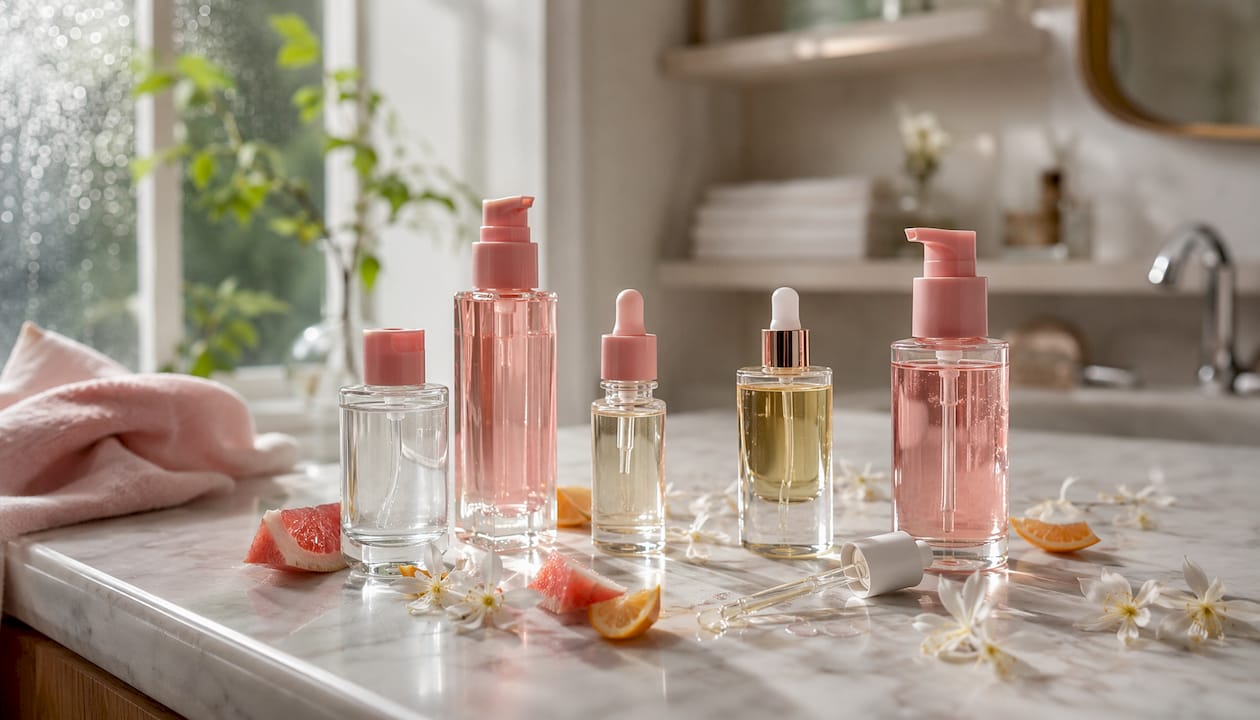
Korean haircare in 2026 is built on one idea that Western beauty has largely ignored: your scalp is skin, and it deserves the same science your face gets. The best treatments coming out of Korea right now combine fermentation technology, peptide bond repair, plant-derived actives like centella asiatica, and even marine-derived PDRN to address hair health at the follicle level, not just the surface. If you’ve been treating your hair without treating your scalp, you’ve been solving the wrong problem.
Here’s what the leading treatments actually do:
- PDRN-based shampoos (like Gravity by Polyphenol Factory): reduce shedding and improve root volume using vegan polydeoxyribonucleotide extracted from Jeju microalgae, delivered via coacervate technology so the active stays on your scalp after rinsing
- Peptide bond repair treatments (CosRx Peptide 132 line): use low-molecular-weight tripeptides to slip beneath the cuticle and rebuild broken disulfide bonds from within the cortex, not just coat the surface
- Keratin-infused masks (Unove Deep Damage Treatment): pack 31 bond-building proteins and amino acids from milk, wheat, corn, and soy to smooth frizz and restore elasticity in color-treated or heat-damaged hair
- Scalp-first tonics and exfoliators (A’pieu Mint Hair Vinegar Rinse, Aromatica Rosemary Scalp Scrub): apply the same pH-balancing and exfoliating logic as facial toners, clearing follicle congestion before it becomes a hair loss problem
- Maysin-based hair tonics (Maysera Revive & Restore): a newly approved functional cosmetic ingredient derived from centipede grass that activates dermal papilla cells and improves hair density with regulatory backing from Korea’s Ministry of Food and Drug Safety
- Scalp ampoules with probiotics and hyaluronic acid: address thinning hairlines by nourishing the microbiome and delivering hydration directly to the follicle environment
- Herbal hanbang treatments (Ryo Damage Care line): draw on ginseng root and red camellia, traditional Korean medicinal ingredients, to stimulate circulation and seal the cuticle
The throughline across all of these is prevention over correction. Korean formulas target the root cause, whether that’s a disrupted microbiome, weakened protein bonds, or a congested follicle, rather than masking the result with silicone.
Table of Contents
- Detailed look at the products leading the way in 2026
- Korean brands driving scalp health forward in 2026
- Why “skinification” changes everything about how you treat your hair
- Spyraverified brings these treatments to you without the sourcing headache
- Key Takeaways
Detailed look at the products leading the way in 2026
CosRx Peptide 132 Hair Bonding Repair Treatment
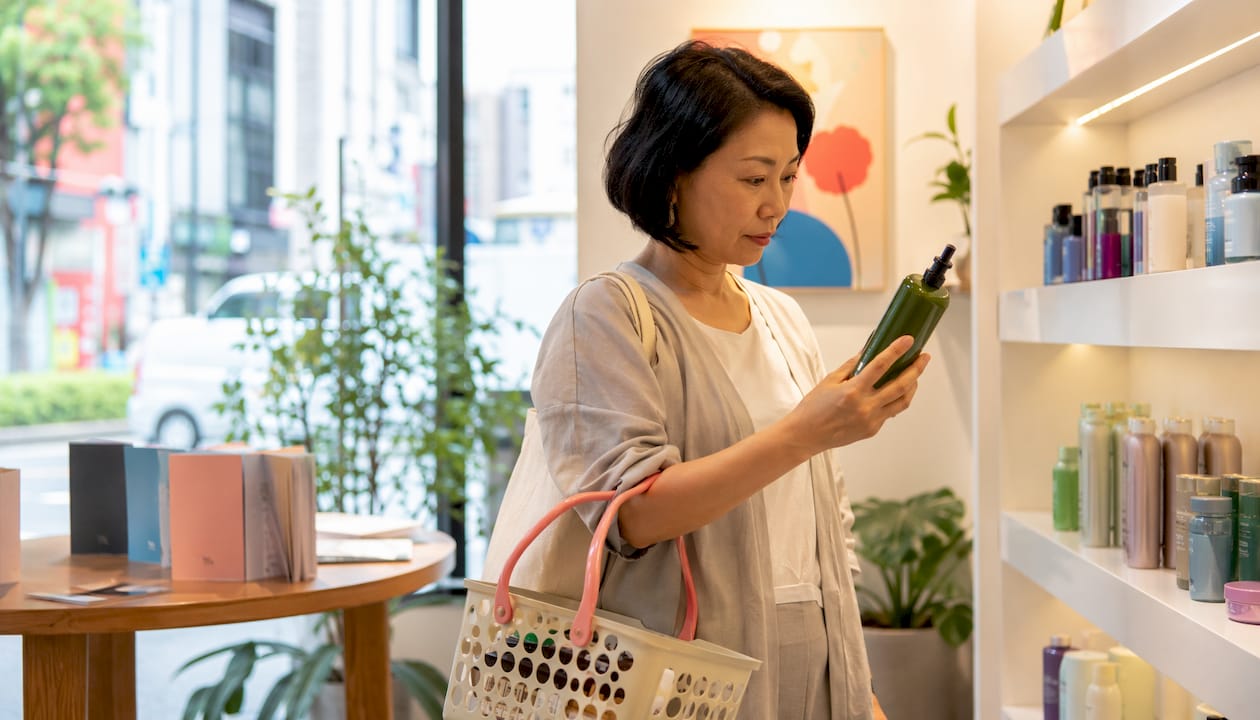
CosRx built its reputation on snail mucin serums, and its move into haircare follows the same logic: use ingredient science, not marketing. The Peptide 132 complex was developed through AI molecular modeling to bond specifically to weakened areas of keratin, filling gaps where protein is missing. The formula also layers hyaluronic acid and soluble collagen, so you’re repairing structure and restoring moisture at the same time. K-beauty expert Michelle Lee describes the texture as “one of those conditioners that makes your hair super slippery as soon as it goes on” — which is exactly what severely damaged hair needs.
Key actives: Tripeptide-1, hyaluronic acid, soluble collagen, keratin, amino acids Best for: Bleached, chemically processed, or heat-damaged hair
Unove Deep Damage Treatment
Unove held the number one spot at Olive Young, Korea’s dominant beauty retailer, for four years before entering the U.S. market via Sephora. The Deep Damage Treatment packs 31 proteins and amino acids sourced from milk, wheat, corn, and soy. It’s lightweight despite the concentration, which means it repairs without flattening fine hair. Hairstylist Jenny Cho calls it “lightweight but deeply reparative, focusing on injecting liquid nutrients inside the strand.”
Key actives: Keratin, 31 bond-building proteins, amino acids Best for: Dry, color-treated, or fine hair needing structural repair
Elizavecca CER-100 Collagen Ceramide Coating Protein Treatment
This one has earned genuine cult status globally, and the formula explains why. Five different proteins work alongside silk amino acids and glycerin to coat and seal damaged cuticles. Collagen improves elasticity so strands are less prone to snapping; ceramides lock in moisture and smooth flyaways. Dermatologist Marie Jhin, MD, notes it “strengthens weak, thinning, dry, damaged hair” and reduces frizz in as little as five minutes. The price point makes it one of the most accessible entry points into Korean scalp-first haircare.
Key actives: Collagen, ceramides, five-protein blend, silk amino acids, glycerin Best for: Bleached, permed, or heat-styled hair; budget-conscious shoppers
Mise-en-Scène Perfect Serum
Mise-en-Scène launched in 2000, which makes it an original in the Korean haircare space. The Perfect Serum pairs lightweight silicones with a seven-oil blend: argan, jojoba, coconut, apricot, olive, marula, and camellia. Hairstylist Jenny Cho says it’s “a classic hair serum that everyone in Korea is using.” The amino acids in the formula pull into the hair shaft for structural repair, while the oils smooth the cuticle surface. It’s the kind of product that works on damp hair before styling and again as a finishing touch.
Key actives: Argan oil, amino acids, seven-oil botanical blend Best for: Frizz control, shine, and daily finishing
A’pieu Mint Hair Vinegar Rinse
Vinegar rinses have been used in Korean hair traditions for generations, but A’pieu’s version adds vitamins C, B3, and magnesium to the base formula. The mint extract and vinegar combination gently exfoliates the scalp while restoring pH balance, which is especially useful for oily roots or flaky scalps. Unlike a standard apple cider vinegar rinse, this formula is calibrated to be gentle enough for regular use without stripping the scalp’s natural oils. It functions as a clarifying rinse used after shampoo, sweeping away buildup and calming irritation.
Key actives: Mint extract, apple cider vinegar, vitamin C, niacinamide (B3), magnesium Best for: Oily scalps, sensitivity, dandruff, and pH rebalancing
Dr. Groot Miracle In-Shower Treatment
Dr. Groot’s standout product works differently from most scalp treatments. The formula starts as a liquid that warms the scalp on contact to improve circulation, then transforms into a cream that nourishes both scalp and hair. Rosemary leaf extract is the hero ingredient: consultant trichologist Eva Proudman explains that rosemary “can increase blood flow into the hair follicle to promote growth, while also calming irritated, flaky scalp as it’s anti-inflammatory and anti-microbial.” The product has gone viral on TikTok, but the science behind it is what keeps people coming back.
Key actives: Rosemary leaf extract, warming complex Best for: Scalp stimulation, circulation, and reducing breakage-related shedding
Pro Tip: Apply Dr. Groot’s treatment immediately after shampooing while the scalp is still warm and pores are open. The warming activation works faster on a clean, damp scalp.
Korean brands driving scalp health forward in 2026
The brands below aren’t just popular. They represent distinct approaches to what Korean haircare can do, and most are now accessible in the U.S.
-
Unove: The glass hair brand that made scalp-first formulas mainstream. Its keratin-based technology repairs without weighing hair down, and its Sephora launch in the U.S. signals how seriously the global market is taking Korean haircare science.
-
CosRx: Known for skincare actives like snail mucin and niacinamide, CosRx brought the same ingredient rigor to hair. The Peptide 132 line treats hair the way a serum treats skin: targeted, layered, and built for long-term repair rather than a one-wash fix.
-
A’pieu: Accessible and practical, A’pieu applies traditional Korean haircare wisdom (vinegar rinses, botanical extracts) with modern formulation standards. The Mint Hair Vinegar Rinse is a standout for anyone dealing with scalp buildup or sensitivity.
-
Mise-en-Scène: One of the longest-standing names in Korean haircare, Mise-en-Scène built its reputation on the Perfect Serum and has maintained it through consistent, high-performing formulas. The brand’s seven-oil blend is now a reference point for what a hair serum should deliver.
-
Elizavecca: Elizavecca’s CER-100 treatment introduced many Western consumers to the idea that haircare could use the same protein-stacking logic as skincare. The brand’s approach to collagen and ceramide delivery in hair products predates the current trend by years.
-
Dr. Groot: The brand most associated with scalp stimulation in the K-beauty space. Its in-shower treatment format and warming technology represent a genuinely different delivery method, not just a reformulated conditioner. The TikTok virality is real, but so is the trichologist-backed ingredient rationale.
For readers curious about how Korean skincare philosophy translates into haircare, the same ingredient-first, prevention-focused thinking applies across both categories.
Why “skinification” changes everything about how you treat your hair
The concept of skinification is the single most important idea in Korean haircare right now. It means treating the scalp with the same clinical attention you’d give your face: cleansing, exfoliating, toning, hydrating, and protecting, in that order, with targeted products for each step.
Sarah Chung Park, founder and CEO of Landing International, puts it plainly:
KraveBeauty founder Liah Yoo frames it even more directly: in Korea, the scalp is treated with the same respect as facial skin, because the health of the “soil” determines the health of the hair. That’s not a metaphor. It’s a formulation philosophy that has produced a generation of scalp toners and essences designed to balance the microbiome rather than just clean the surface.
The science backs this up. Korean haircare’s skinification approach shifts focus from temporary styling to long-term scalp and follicle health, using actives like cica, peptides, and niacinamide that were proven in skincare before being applied to the scalp. Centella asiatica soothes the scalp barrier. Salicylic acid clears follicle congestion. Panthenol attracts and holds moisture. These aren’t novel ingredients; they’re proven ones applied to a surface that Western haircare has historically undertreated.
The most technically advanced example of this philosophy in 2026 is coacervate delivery technology. Because PDRN is highly water-soluble, it normally washes away during rinsing. Polyphenol Factory’s research team solved this by encapsulating PDRN in a polyphenol-based coacervate structure that mimics the body’s mucous membranes and resists rinsing. Elemental analysis confirmed that DNA phosphorus signals remained on the scalp and hair even after shampooing. In human application tests, the resulting shampoo reduced hair shedding by 73.66% after two weeks, improved hair root volume by 43%, and maintained 95.89% of the volume effect after 24 hours.
Maysin represents another frontier. Derived from centipede grass and developed by the Korea Atomic Energy Research Institute, it’s the first ingredient of its kind to receive functional cosmetic recognition from Korea’s Ministry of Food and Drug Safety for relieving hair loss symptoms. Unlike most scalp treatments that focus on environment management, maysin activates dermal papilla cells directly involved in hair growth. The approval process required individual human safety testing and efficacy proof after a thorough regulatory review.
How does this compare to traditional Western haircare? Western formulas have historically prioritized silicone-based smoothing and sulfate-based cleansing, which deliver immediate cosmetic results but don’t address follicle health or protein structure. Korean formulas use fermented extracts, ceramide complexes, and peptide systems that work cumulatively. The difference shows up not after one wash, but after a month of consistent use. For readers interested in how peptides function at the molecular level, the same mechanisms that make them effective in skincare apply directly to hair bond repair.
Building a Korean-style haircare routine doesn’t require ten products. A scalp exfoliator once or twice a week, a targeted shampoo formulated for your scalp type, a lightweight serum or tonic applied after washing, and a weekly treatment mask covers the full protocol. The key is sequencing: cleanse, then exfoliate, then treat, then protect. For anyone dealing with hair follicle health concerns, that sequence matters as much as the individual products.
Spyraverified brings these treatments to you without the sourcing headache
Most of the Korean haircare products worth using aren’t easy to find in a standard U.S. drugstore. That’s the gap Spyraverified was built to close.
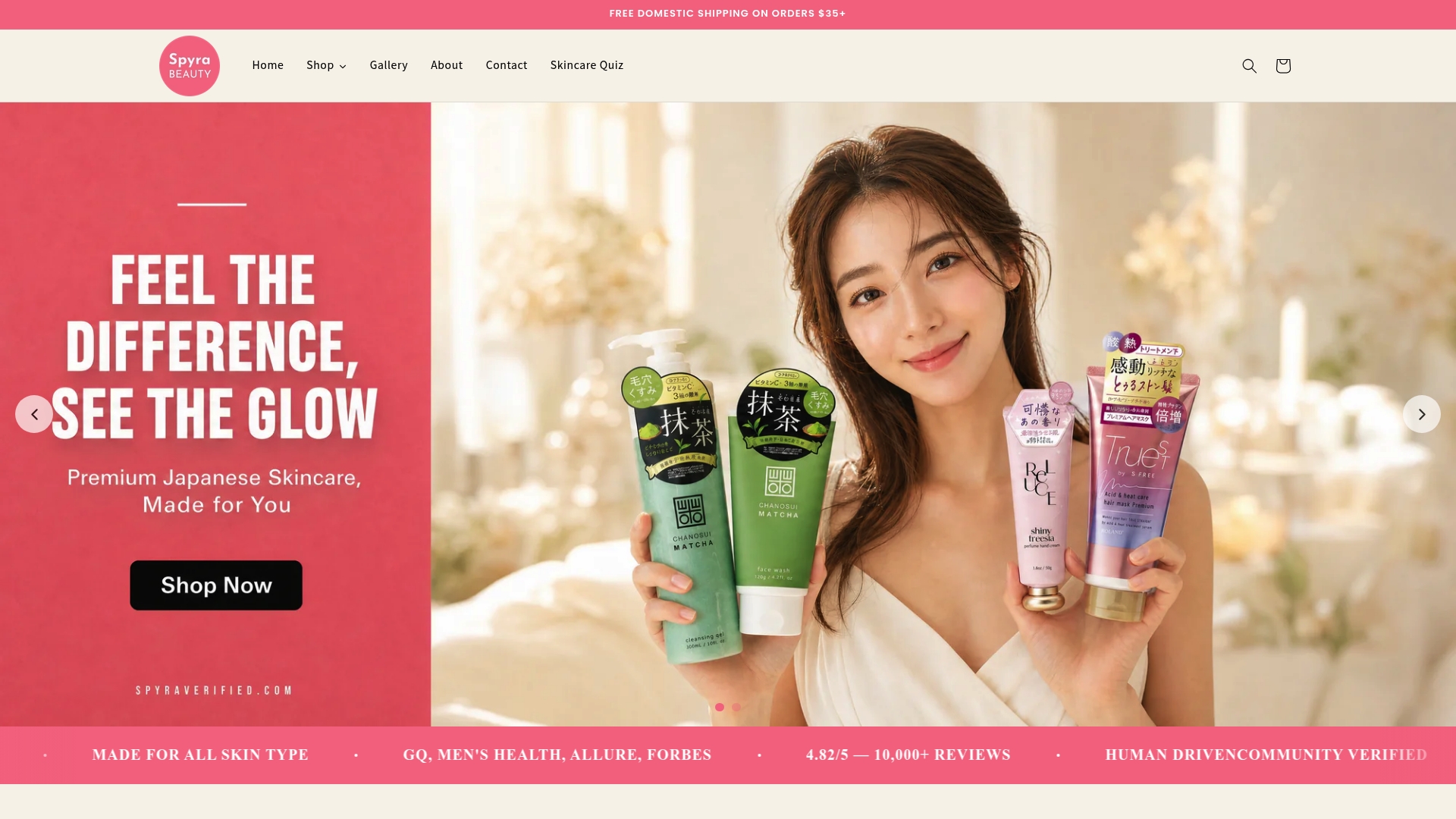
Spyraverified curates Korean and Asian haircare treatments directly from manufacturers and brand owners, which means you get authentic formulas, not gray-market imports or reformulated versions. The platform focuses specifically on the kind of scalp-first, ingredient-driven products covered in this article: treatments with real clinical backing, not just appealing packaging. If you’ve been reading about PDRN shampoos, peptide bond repair, or maysin-based tonics and wondering where to actually buy them, Spyraverified’s haircare collection is the place to start. Browse the full range and find what fits your scalp type.
Key Takeaways
Korean haircare’s most effective treatments work because they treat the scalp as skin, using clinically validated actives and multi-step routines that build long-term follicle health rather than delivering one-wash cosmetic results.
| Point | Details |
|---|---|
| Scalp-first philosophy | Korean haircare treats the scalp like facial skin, using toners, exfoliators, and serums to balance the microbiome and support follicle health. |
| PDRN technology | Coacervate delivery keeps PDRN on the scalp after rinsing; clinical tests showed a 73.66% reduction in hair shedding after two weeks, a 43% improvement in hair root volume, and 95.89% maintenance of volume effect after 24 hours. |
| Maysin approval | Korea’s Ministry of Food and Drug Safety recognized maysin as a functional cosmetic ingredient for hair loss relief after six months of human safety and efficacy review. |
| Key brands in the U.S. | Unove, CosRx, A’pieu, Mise-en-Scène, Elizavecca, and Dr. Groot are all available in the U.S. and represent distinct approaches to scalp-focused haircare. |
| Spyraverified access | Spyraverified curates authentic Korean haircare treatments directly from manufacturers, making scalp-first formulas accessible without gray-market sourcing. |
