

Types of Asian Cleansing Balms: Your 2026 Skin Guide
Asian cleansing balms are solid or semi-solid skincare products that melt into oil on contact with skin, then emulsify into a milky rinse to remove makeup, sunscreen, and sebum without stripping moisture. The category spans everything from dense, wax-rich jar formulas to lightweight tube balms that dissolve in seconds. Understanding the types of Asian cleansing balms means knowing how texture, ingredients, and emulsification behavior interact with your specific skin. Popular products like Banila Co Clean It Zero, Heimish All Clean Balm, and Beauty of Joseon Radiance Cleansing Balm each represent a distinct approach to this first-cleanse step.
1. Types of Asian cleansing balms by texture and packaging
Solid jar balms and semi-solid tube balms are the two primary texture categories in Asian cleansing balms. Each behaves differently on skin and suits different cleansing habits.
Solid-in-jar balms are the classic format. They are denser, waxier, and richer in feel. You scoop them out with a spatula or fingertip, warm the product between your palms, and press it onto dry skin. Brands like Banila Co and Heimish use this format because it allows for a higher concentration of nourishing oils and butters.
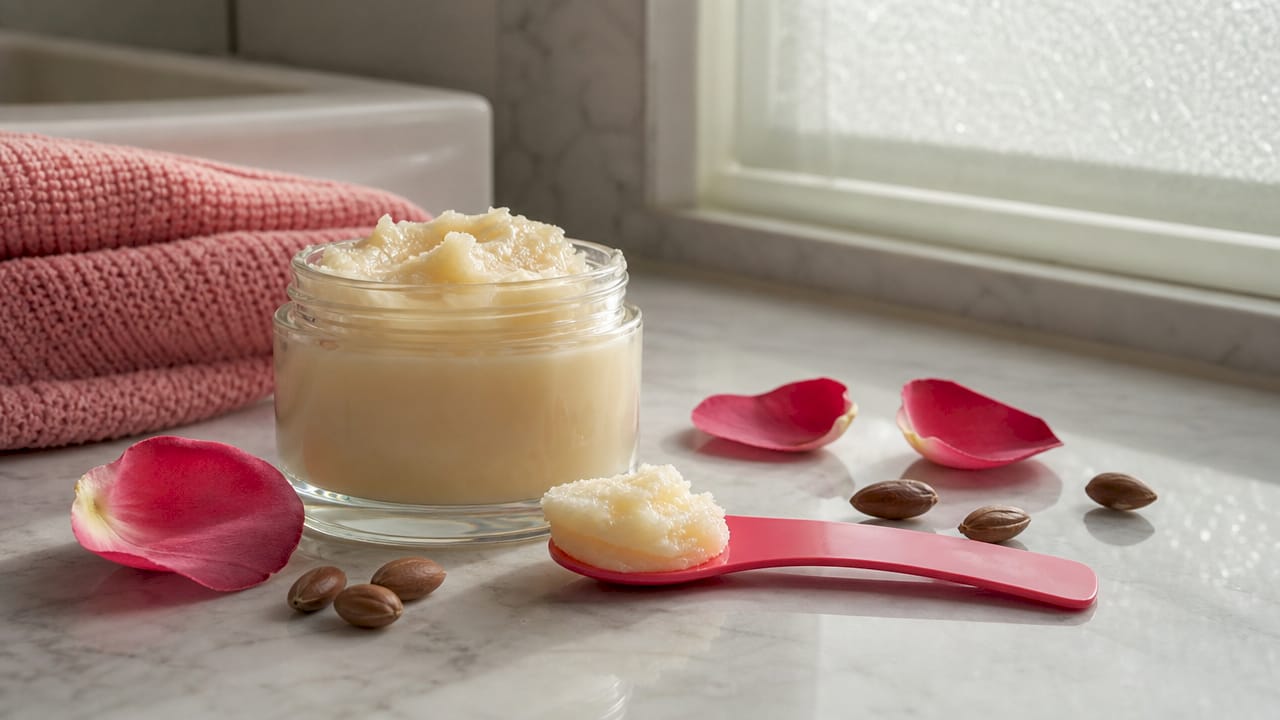
Semi-solid-in-tube balms are lighter and smoother. They dispense more hygienically, require no scooping, and emulsify rapidly into a milky rinse. Oily and acne-prone skin types tend to prefer this format because the thinner texture leaves less residue after rinsing.
Key differences at a glance:
- Solid jar: richer texture, slower melt, better for dry or mature skin, requires a spatula for hygiene
- Semi-solid tube: lighter feel, faster emulsification, more travel-friendly, preferred for oily or combination skin
- Sherbet-like textures: a middle-ground format that melts quickly but still delivers some nourishing weight
Pro Tip: Always use a clean spatula with jar balms. Fingers introduce bacteria into the product and shorten its shelf life significantly.
Packaging choice reflects functional differences, not just aesthetics. Jars allow thicker formulas that would be difficult to squeeze through a tube, while tubes protect the formula from air and contamination between uses.
2. Ingredient-based balm types suited for different skin concerns
The best Asian cleansing balms match their core ingredients to the skin concern they target. Choosing by skin type is the most reliable way to avoid breakouts, dryness, or irritation after cleansing.
For dry skin: Look for balms built around plant oils such as jojoba, rosehip, or marula, combined with ceramides. These ingredients support the skin barrier while dissolving impurities. Shea butter and squalane are also common in dry-skin formulas because they leave a light conditioning film after rinsing.
For oily skin: Lighter formulas with essential fatty acid-rich oils like linoleic acid work best. These oils emulsify cleanly and do not leave a greasy residue. Avoid balms heavy in coconut oil or cocoa butter if you are prone to congestion, as these can clog pores.
For sensitive skin: Soothing ingredients like aloe vera, centella asiatica, and oat extract reduce the risk of irritation. Heimish All Clean Balm is widely recommended for sensitive skin because its formula avoids common irritants. Avoid any balm containing synthetic fragrance or alcohol if your skin reacts easily.
For combination skin: A mid-weight formula with a balanced oil-to-wax ratio works well. You want enough richness to dissolve sunscreen and long-wear makeup, but enough lightness to rinse completely clean from the T-zone.
Ingredient checklist by skin type:
- Dry: ceramides, squalane, shea butter, rosehip oil
- Oily: linoleic-rich oils, lightweight esters, minimal wax content
- Sensitive: centella asiatica, aloe vera, oat extract, fragrance-free formulas
- Combination: balanced oil-wax ratio, non-comedogenic oils
Scented or alcohol-containing balms should be avoided for sensitive and dry skin types. Fragrance is one of the most common causes of contact dermatitis in skincare, and alcohol accelerates moisture loss during cleansing.
3. How emulsification separates good balms from great ones
Emulsification is the process that turns an oil-based balm into a water-compatible, milky rinse. It is the single most important factor in determining whether a cleansing balm leaves your skin clean or coated in residue.
Proper emulsification starts with massaging the balm on completely dry skin. Water introduced too early disrupts the oil-dissolving phase and reduces the balm’s ability to break down sebum and sunscreen. Once you have massaged for 30–60 seconds, you add a small amount of water to trigger emulsification. The formula turns white and milky. That color change is your signal that the emulsifier is activating.
How to use cleansing balms correctly, step by step:
- Start with dry hands and a dry face.
- Scoop or dispense a pea-to-dime-sized amount of balm.
- Warm it between your fingertips until it melts.
- Massage onto dry skin in circular motions for 30 to 60 seconds.
- Wet your fingertips slightly and continue massaging until the formula turns milky white.
- Rinse thoroughly with lukewarm water.
- Follow with a water-based cleanser as the second step of double cleansing.
Not all emulsifier systems perform equally. Emulsifier molecular weight and oil-to-emulsifier ratio directly affect how completely a balm rinses off. A poorly formulated balm leaves a waxy or greasy film even after thorough rinsing. Banila Co Clean It Zero is frequently cited as a benchmark because its emulsifier system rinses both oil and wax components cleanly.
Pro Tip: Watch the texture, not the clock. Dense balms take longer to liquefy than sherbet-like formulas. When the product feels fully liquid and slick on your skin, you are ready to emulsify with water.
Texture changes during the melt phase are a more reliable cleansing cue than timing alone. A balm that still feels waxy after 45 seconds needs more massage time before you add water.
4. Comparing popular Asian cleansing balm products
Three products define the current standard for popular Asian skincare balms and illustrate how different formulations serve different needs.
Banila Co Clean It Zero is a solid-in-jar sherbet balm with one of the most studied emulsifier systems in the Korean skincare market. It melts quickly, rinses completely, and works for most skin types. The original formula suits normal to combination skin. Banila Co also offers a Nourishing version for dry skin and a Pore Control version for oily skin, making it one of the few lines that explicitly addresses multiple balm types within a single brand.
Heimish All Clean Balm is a gentle, solid-in-jar formula positioned for sensitive and dry skin. It contains a blend of plant oils and avoids synthetic fragrance in its core formulation. The texture is slightly denser than Banila Co, which means it takes a few extra seconds to melt fully. Skincare enthusiasts with reactive skin consistently rate it as one of the least irritating options in the category.
Beauty of Joseon Radiance Cleansing Balm leans into skin-brightening ingredients, including rice bran extract and grain ferment filtrate. It is a nourishing formula that suits dry and dull skin. The texture is rich and the emulsification is smooth, though it may feel slightly heavy for oily skin types.
| Product | Texture | Best skin type | Key ingredients | Packaging |
|---|---|---|---|---|
| Banila Co Clean It Zero | Sherbet-solid | Normal, combination | Vitamin C, papaya extract | Jar |
| Heimish All Clean Balm | Dense-solid | Sensitive, dry | Plant oils, shea butter | Jar |
| Beauty of Joseon Radiance | Rich-solid | Dry, dull | Rice bran, grain ferment | Jar |
Japanese cleansing oils prioritize rinsability and efficiency, while Korean balms emphasize texture, user experience, and scent. This cultural difference explains why Korean balms dominate the global cleansing balm category. They are designed to feel luxurious, not just functional. If you want to learn more about pairing your balm with the right second step, the Korean double cleansing guide on Spyraverified covers the full method in detail.
Key takeaways
The most effective Asian cleansing balm matches your skin type to both the texture format and the emulsifier system, then pairs with a water-based second cleanser for a complete double-cleanse routine.
| Point | Details |
|---|---|
| Texture format matters | Solid jar balms suit dry skin; semi-solid tube balms suit oily or acne-prone skin. |
| Ingredients drive skin compatibility | Ceramides and plant oils for dry skin; linoleic-rich, lightweight oils for oily skin. |
| Emulsification is non-negotiable | Always massage on dry skin first, then add water to trigger the milky rinse phase. |
| Product selection by concern | Banila Co, Heimish, and Beauty of Joseon each target distinct skin types and needs. |
| Double cleansing completes the routine | A water-based cleanser after the balm removes any remaining residue and balances skin pH. |
What I have learned from years of watching the cleansing balm category evolve
The most common mistake I see skincare enthusiasts make is choosing a cleansing balm based on packaging aesthetics or brand reputation alone. Texture compatibility with your skin type matters far more than the label on the jar.
I have watched people with oily skin reach for rich, wax-heavy balms because they looked luxurious, then complain about breakouts two weeks later. The issue was never the balm itself. It was the mismatch between a high-wax formula and skin that needed a lightweight, fast-emulsifying option. Switching to a semi-solid tube format with a linoleic-rich oil base fixed the problem immediately.
The other thing most articles skip is the travel format question. Jar balms are genuinely inconvenient to travel with. They require a spatula, they are harder to seal airtight, and they are more likely to melt in checked luggage. A tube balm is not a compromise. For many skin types, it is the better product. If you are building a double cleanse routine you will actually stick to, the format has to fit your life.
My honest recommendation: buy based on your skin type’s ingredient needs first, texture format second, and brand third. The emulsification test is simple. If your skin feels greasy or tight after rinsing, the balm’s emulsifier system is not working for you. Move on without guilt.
— Anni
Spyraverified’s skincare collection for your cleansing routine
Spyraverified curates Asian skincare products that are difficult to find outside their home markets, with a focus on quality formulations and authentic sourcing. If you are building or refining a cleansing routine, the skincare collection includes cleansers and supporting products selected for their ingredient quality and skin-type compatibility.
Not sure where to start? The Skin Quiz on Spyraverified matches you to products based on your skin type, concerns, and routine goals. It takes under two minutes and removes the guesswork from building a cleansing routine that actually works for your skin.
FAQ
What is the difference between solid and semi-solid cleansing balms?
Solid balms are denser and richer, requiring scooping from a jar, and suit dry or mature skin. Semi-solid tube balms are lighter, more hygienic, and emulsify faster, making them better for oily or combination skin.
How do I use a cleansing balm correctly?
Massage the balm onto completely dry skin for 30–60 seconds to dissolve impurities, then add a small amount of water to emulsify the formula into a milky rinse before washing off with lukewarm water.
Which Asian cleansing balm is best for sensitive skin?
Heimish All Clean Balm is widely recommended for sensitive skin because it uses plant oils and avoids synthetic fragrance. Look for formulas with centella asiatica or aloe vera and no alcohol.
Can I use a cleansing balm if I have oily skin?
Yes. Choose a lightweight, semi-solid formula with linoleic acid-rich oils and minimal wax content. Avoid heavy butters like coconut oil or cocoa butter, which can clog pores on oily skin types.
What is double cleansing and why does it matter with a balm?
Double cleansing uses an oil-based balm as the first step to dissolve makeup and sunscreen, followed by a water-based cleanser to remove remaining residue and balance skin pH. The two-step method cleans more thoroughly than either product alone.
