

Common Skincare Layering Mistakes to Fix Now
Skincare layering is defined as the practice of applying multiple products in a deliberate sequence to maximize absorption and protect the skin barrier. Common skincare layering mistakes occur when products are applied in the wrong order or combined improperly, causing poor absorption and skin irritation. Actives like Vitamin C, retinol, and AHAs are the most frequent culprits in these errors. Getting the sequence right is not about following a trend. It is about making every product you buy actually work.
1. the most common skincare layering mistakes explained
Skincare layering errors fall into a few predictable patterns. Most happen because enthusiasts focus on what products to buy rather than how to use them together. Understanding these patterns is the fastest way to fix your routine.
Skipping absorption time between layers
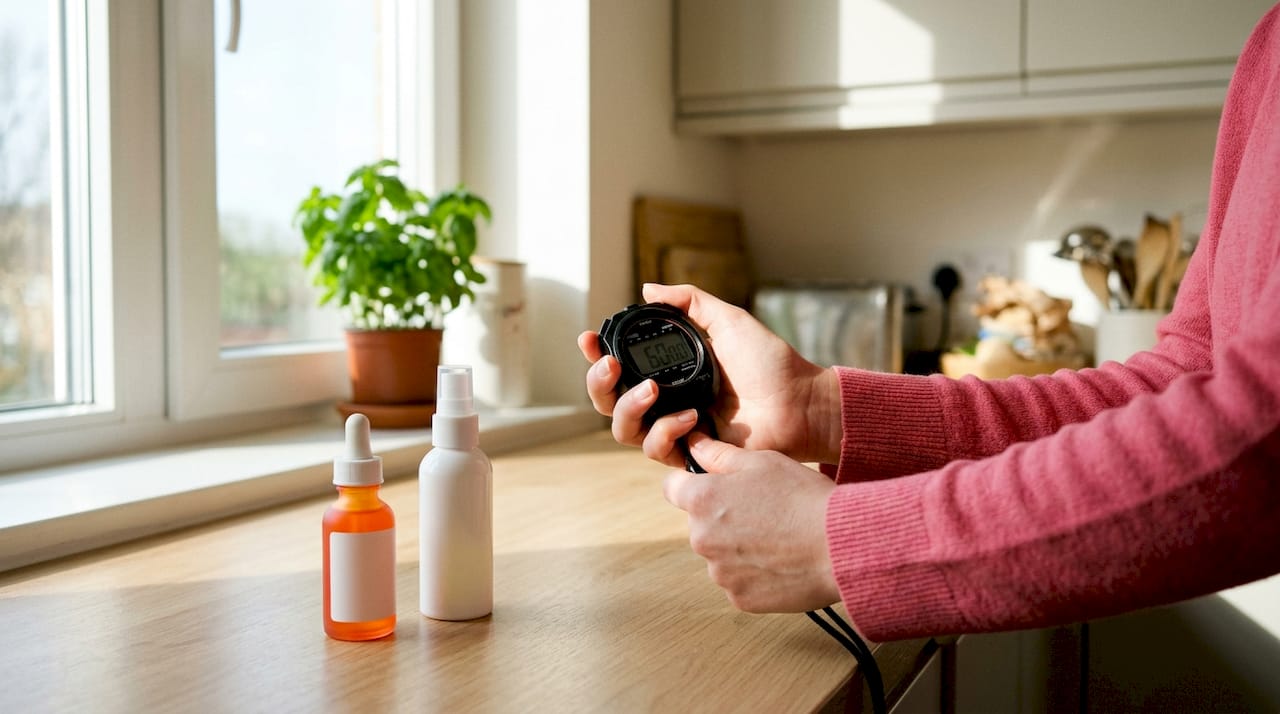
Rushing through your routine is one of the most damaging skincare application mistakes you can make. Waiting 30–60 seconds between layers allows each product to absorb fully and prevents pilling or dilution. For actives like retinoids, sensitive skin may need 2–3 minutes before the next step. Skipping this wait time means your moisturizer is sitting on top of a serum that never absorbed.
Ignoring the thinnest to thickest rule
Applying products from thinnest to thickest texture is the foundational rule of skincare layering. The correct order is cleanser, toner, serum, moisturizer, and then sunscreen or oil. Reversing this order blocks lighter formulas from reaching the skin. A heavy moisturizer applied before a serum acts like a physical seal that prevents the active ingredients from penetrating.
Mixing incompatible active ingredients
Combining Vitamin C with retinol or pairing AHAs and BHAs with retinol in the same session causes irritation and cancels out ingredient efficacy. Benzoyl peroxide applied alongside retinol oxidizes the retinol, making it completely ineffective. This is one of the most common layering mistakes among enthusiasts who build complex routines without checking compatibility. The fix is simple: separate your actives by time of day.
Overloading actives in one session
Using multiple strong actives in a single routine damages the skin barrier. One active per session is the dermatologist standard, with alternating actives morning and night or on different days. Stacking niacinamide, glycolic acid, and retinol in one routine does not multiply the benefits. It multiplies the risk of redness, sensitivity, and breakouts.
Applying sunscreen before moisturizer
Sunscreen belongs as the final step in your morning routine, not sandwiched between serums and moisturizer. Applying it too early means other products sit on top of it, diluting its SPF protection. This is a skincare routine error that directly affects your sun defense. No amount of high SPF compensates for incorrect placement.
Pro Tip: Set a 60-second timer on your phone between each product application. It feels slow at first, but your skin will show the difference within two weeks.
Using alcohol-based toners
Alcohol-based toners damage the skin barrier and disrupt the pH balance that actives depend on. Replacing them with gentler formulas containing salicylic acid or AHAs improves routine compatibility and reduces irritation. Toner is meant to prep the skin for what comes next, not strip it. A damaged barrier absorbs nothing well.
Applying oils before water-based products
Facial oils are occlusive, meaning they form a seal over the skin. Applying an oil before a water-based serum blocks that serum from reaching the skin entirely. Oils always go after serums and moisturizers, or as the last step before sunscreen in an evening routine. This is a layering serum incorrectly scenario that wastes both the oil and the serum.
2. why product order matters: the science behind layering
Skincare product order is not arbitrary. It is based on molecular weight, pH, and texture. Understanding the science makes it easier to build a routine that actually delivers results.
pH and product stability
Correct layering order maintains skin pH and product stability, which directly enhances how well each formula functions. Vitamin C serums, for example, work best at a low pH of around 3.5. Applying a higher-pH moisturizer immediately after can neutralize the acidic environment Vitamin C needs to work. Waiting between steps allows the skin’s surface to stabilize before the next product is introduced.
Molecular weight and absorption
Lighter molecules penetrate deeper into the skin. This is why serums, which carry the smallest molecules, go before moisturizers. Moisturizers contain larger molecules designed to sit on the skin’s surface and lock in hydration. Reversing this order does not just reduce efficacy. It physically prevents the serum from reaching the layers where it does its job.
| Step | Product Type | Purpose |
|---|---|---|
| 1 | Cleanser | Removes debris and prepares skin surface |
| 2 | Toner | Balances pH and adds initial hydration |
| 3 | Serum | Delivers concentrated active ingredients |
| 4 | Moisturizer | Seals hydration and supports skin barrier |
| 5 | Sunscreen or Oil | Final protection or occlusive seal |
Pro Tip: If you use both a treatment serum and a hydrating serum, apply the treatment serum first. It contains the actives that need direct skin contact.
3. how to avoid mixing incompatible ingredients
Ingredient compatibility is where most enthusiasts make their biggest skincare application mistakes. The good news is that the rules are straightforward once you know them.
- Vitamin C and retinol: Use Vitamin C in the morning and retinol at night. These two actives work at different pH levels and can cause significant irritation when used together.
- Retinol and AHAs or BHAs: Combining these in one session over-exfoliates the skin and breaks down the barrier. Alternate them on different nights instead of stacking them.
- Benzoyl peroxide and retinol: Benzoyl peroxide oxidizes retinol on contact, rendering it ineffective. Keep these on separate days entirely.
- Niacinamide and Vitamin C: This combination is debated, but high concentrations of both together can cause flushing in sensitive skin. Use lower concentrations or apply them at different times of day.
- Patch testing new actives: Introduce one new active at a time and patch test on the inner arm for 24 hours before applying to the face. This identifies reactions before they become a full-face problem.
The Spyraverified Vitamin C Cream Mist Spray and Retinol Cream Mist Spray are formulated specifically for AM and PM use respectively, which removes the guesswork from timing these two actives correctly.
4. best practices to fix skincare layering errors
The best practices for skincare layering come down to patience, simplicity, and consistency. These tips address the most common routine errors directly.
- Wait between layers: Give each product 30–60 seconds to absorb. For retinoids or strong exfoliants, wait 2–3 minutes to reduce irritation risk.
- Simplify your routine: Consistency with a simple routine outperforms a complex 10-step regimen prone to errors. Three to five well-chosen products beat ten poorly layered ones every time.
- Match products to your skin type: Oily skin benefits from gel-based serums and lightweight moisturizers. Dry skin needs richer creams applied after water-based layers. Using the wrong texture for your skin type creates pilling and uneven absorption.
- Introduce new actives gradually: Add one new active every two to four weeks. This gives your skin time to adjust and makes it easier to identify what caused a reaction if one occurs.
- Consult a dermatologist for personalized guidance: If you experience persistent irritation, redness, or breakouts despite following correct layering order, a dermatologist can identify whether an active is wrong for your skin type entirely. Clinics like Rituel Med Spa in Phoenix specialize in acne-related skin concerns where layering errors often play a role.
- Use a skin quiz to personalize your routine: Tools like the Spyraverified skin quiz help match products to your specific skin needs, reducing the trial and error that leads to layering mistakes.
5. layering mistakes vs. their consequences
Seeing mistakes and their outcomes side by side makes the cost of incorrect layering concrete. Each error has a direct fix.
| Mistake | Consequence | Correction |
|---|---|---|
| Wrong product order | Active ingredients blocked from skin | Follow cleanser, toner, serum, moisturizer, sunscreen sequence |
| No wait time between layers | Pilling, diluted actives, poor absorption | Wait 30–60 seconds between each step |
| Mixing Vitamin C and retinol | Irritation, reduced efficacy of both actives | Use Vitamin C in AM, retinol in PM |
| Sunscreen applied too early | Reduced SPF protection | Apply sunscreen as the final morning step |
| Overloading actives in one session | Barrier damage, redness, breakouts | Limit to one active per session |
| Alcohol-based toner | Disrupted pH, stripped barrier | Switch to a salicylic acid or AHA-based toner |
The pattern here is consistent. Every mistake in skincare product order or ingredient timing has a straightforward correction. None of them require buying new products. They require applying what you already have correctly.
Key takeaways
Correct skincare layering requires following the thinnest to thickest product order, separating incompatible actives by time of day, and waiting between layers for full absorption.
| Point | Details |
|---|---|
| Follow product order strictly | Apply cleanser, toner, serum, moisturizer, then sunscreen every morning. |
| Separate incompatible actives | Use Vitamin C in the AM and retinol in the PM to avoid irritation and wasted product. |
| Wait between each layer | Allow 30–60 seconds between steps so each product absorbs before the next is applied. |
| Limit actives per session | Use one active per routine to protect the skin barrier and reduce sensitivity. |
| Simplify before you add | A consistent three-step routine outperforms a complex routine applied incorrectly. |
What i’ve learned from watching people over-layer
The biggest mistake I see is not a specific product combination. It is the belief that more steps equal better skin. Skincare enthusiasts, especially those drawn to Japanese and Asian beauty routines, often interpret multi-step regimens as a signal of sophistication. The reality is that those routines were built around lightweight, compatible formulas applied in a precise order, not around stacking every active ingredient available.
I have watched people add a new serum every month, convinced that the next product will fix what the last one did not. What they are actually doing is compounding layering errors. Each new product introduces a new compatibility variable. The skin gets more reactive, not less.
My honest recommendation for beginners is to start with three products: a gentle cleanser, a single serum targeting your main concern, and a moisturizer with SPF. Master that sequence before adding anything else. For advanced enthusiasts, the discipline is different. It is about restraint. Knowing which actives to leave out is a more valuable skill than knowing which ones to add.
Ingredient interactions are not intuitive. Benzoyl peroxide destroying retinol on contact is not something most people would guess. That is why dermatologist-backed guidance matters more than product marketing. The products that work best in a layered routine are the ones formulated with compatibility in mind, not the ones with the longest ingredient list.
— Anni
Build a routine that actually works with Spyraverified
If you have been fixing your layering sequence and still not seeing results, the products themselves may be the issue. Spyraverified curates Japanese and Asian beauty brands specifically selected for formulation quality and compatibility, which makes building a layering-friendly routine far easier.

The Spyraverified skincare collection includes products designed to work in sequence, from the Uji Matcha Foaming Face Wash as a gentle first step to targeted serums and mists that layer without conflict. If you are not sure where to start, the Spyraverified skin quiz matches you with products suited to your skin type and concerns, cutting through the guesswork entirely.
FAQ
What is the correct order to layer skincare products?
The correct skincare product order is cleanser, toner, serum, moisturizer, and sunscreen. Apply products from thinnest to thickest texture and wait 30–60 seconds between each step for full absorption.
Can you use vitamin c and retinol together?
Vitamin C and retinol should not be used in the same session. Use Vitamin C in your morning routine and retinol at night to avoid irritation and preserve the efficacy of both actives.
How many actives can you use in one skincare routine?
Dermatologists recommend one active ingredient per session. Stacking multiple actives like AHAs, retinol, and niacinamide in one routine increases the risk of barrier damage, redness, and breakouts.
Does sunscreen go before or after moisturizer?
Sunscreen goes after moisturizer as the final step in your morning routine. Applying it earlier dilutes its SPF protection and reduces its effectiveness against UV damage.
Why do my skincare products pill on my skin?
Pilling happens when products are layered too quickly or when incompatible textures are applied in the wrong order. Waiting 30–60 seconds between layers and following the thinnest to thickest rule eliminates most pilling issues.
